

Hip bursitis vs. arthritis: How to tell the difference

Fitness for longevity: Which type matters most?

Ministrokes linked to elevated risk of dementia

Continuous glucose monitors benefit people who don't need insulin

CoQ10: Should you take this popular supplement if you're on a statin?

Microplastics: A hidden health threat?

Oat vs. dairy milk: Nutrition, benefits, and downsides

What is tempeh? Benefits, nutrition, and how to use it

Healing after food poisoning

Whole grains may improve several heart risk factors at once
Medical tests Archive
Articles

They found colon polyps: Now what?
After removal of precancerous growths (polyps) in the colon, return for a follow-up colon exam in three, five, or 10 years, depending on the number and types of growths that the doctor found and removed. A healthy diet can help prevent cancer.
What does it mean to have an enlarged heart?
An “enlarged” heart on an X‑ray doesn’t always mean trouble. Further heart imaging can help reveal what’s really going on.

Navigating your online patient portal: Best practices
Online patient portals enable people to see their medical records, communicate with their doctors, and more. This improved access has advantages along some with potential pitfalls, which can be avoided.

Tips for adjusting to bifocals and other specialty lenses
Adjusting to bifocals, trifocals, or progressive lenses can be challenging. Unlike traditional glasses, these versions include two or more vision zones. Because people use different parts of the lens for different tasks, objects can seem slightly distorted when they move their eyes.
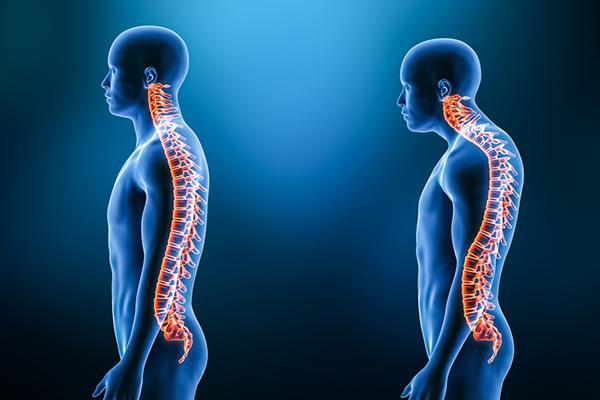
Can you prevent the hunched back of kyphosis?
Osteoporosis, age-related disc degeneration, and poor posture can cause or worsen a curved upper spine (hyperkyphosis). Maintaining bone health and strengthening the muscles responsible for good posture can help to slow the development of a curved spine.

How can I prevent spring allergies?
Last year's spring allergies were miserable. Learn when to begin antihistamines and nasal sprays so symptoms are blunted before pollen peaks.

Can frequent blood donation cause iron deficiency anemia?
Regular blood donations can sometimes lead to low iron levels and anemia. Learn why it happens, who's at risk, and when to pause giving blood.
What might be causing my anemia?
An anemia diagnosis can cause concern. Doctors can trace possible causes through clues that provide information about iron levels, hidden blood loss, nutrition, and bone marrow.

What does it mean when an imaging report mentions a pelvic phlebolith?
Learn what pelvic phleboliths are and whether treatment is needed.

Why does my pneumonia keep returning?
Repeated infections in one lung can point to hidden airway damage, aspiration, immune problems, or inflammation. Tests like CT and bronchoscopy may help identify the cause.
Hip bursitis vs. arthritis: How to tell the difference
Fitness for longevity: Which type matters most?
Ministrokes linked to elevated risk of dementia
Continuous glucose monitors benefit people who don't need insulin
CoQ10: Should you take this popular supplement if you're on a statin?
Microplastics: A hidden health threat?
Oat vs. dairy milk: Nutrition, benefits, and downsides
What is tempeh? Benefits, nutrition, and how to use it
Healing after food poisoning
Whole grains may improve several heart risk factors at once
Free Healthbeat Signup
Get the latest in health news delivered to your inbox!
Sign Up
