

Hip bursitis vs. arthritis: How to tell the difference

Fitness for longevity: Which type matters most?

Ministrokes linked to elevated risk of dementia

Continuous glucose monitors benefit people who don't need insulin

CoQ10: Should you take this popular supplement if you're on a statin?

Microplastics: A hidden health threat?

Oat vs. dairy milk: Nutrition, benefits, and downsides

What is tempeh? Benefits, nutrition, and how to use it

Healing after food poisoning

Whole grains may improve several heart risk factors at once
Medication management Archive
Articles

Take the Dry January challenge
Dry January is an annual health initiative in which people commit to abstaining from drinking alcohol-beer, wine, and spirits-for one month. The challenge can be a useful tool to help people change their relationships with alcohol. Partaking in Dry January can offer various health benefits, even for casual drinkers, such as improved sleep, increased energy, weight loss, and lower blood pressure. It also can help people explore what role they want alcohol to have going forward, such as whether they want to cut back on frequency and amount, or quit drinking altogether.

The art of a heartfelt apology
If you have upset someone, the best way to rectify the situation is by making a sincere, heartfelt apology. But just saying the words isn't quite enough: for an apology to be effective, it has to be genuine. You have to mean it, and you have to make that clear.

Thinking of trying Dry January? Steps for success
If you want to cut down on your alcohol consumption, or just want to start the new year on a healthy note, consider joining the Dry January challenge. Does a month seem like a long time? Here are steps you can take to improve your chances of success.

No-cost, low-cost, and bigger splurges for climate-conscious gifts
If you're looking for gifts to give or donate, climate-conscious gifts come in many guises and fit no-cost, low-cost, or big budgets. Gifts can directly support the environment, trim waste and fossil fuel use, or offer creative ways to connect, reuse, recyle — and possibly regift.


Stay safe playing pickleball
Pickleball continues to soar in popularity, especially among older adults. Unfortunately, more playing can lead to court-related injuries, the most common being strains and sprains in the legs and knees, and wrist sprains and fractures from falls. Pickleball injury prevention is threefold: performing lower-body strength exercises, such as lunges, squats, and heel raises, at least twice a week; doing a dynamic warm-up before playing; and working on agility and balance, which can help improve footwork and reduce the risk of falling.
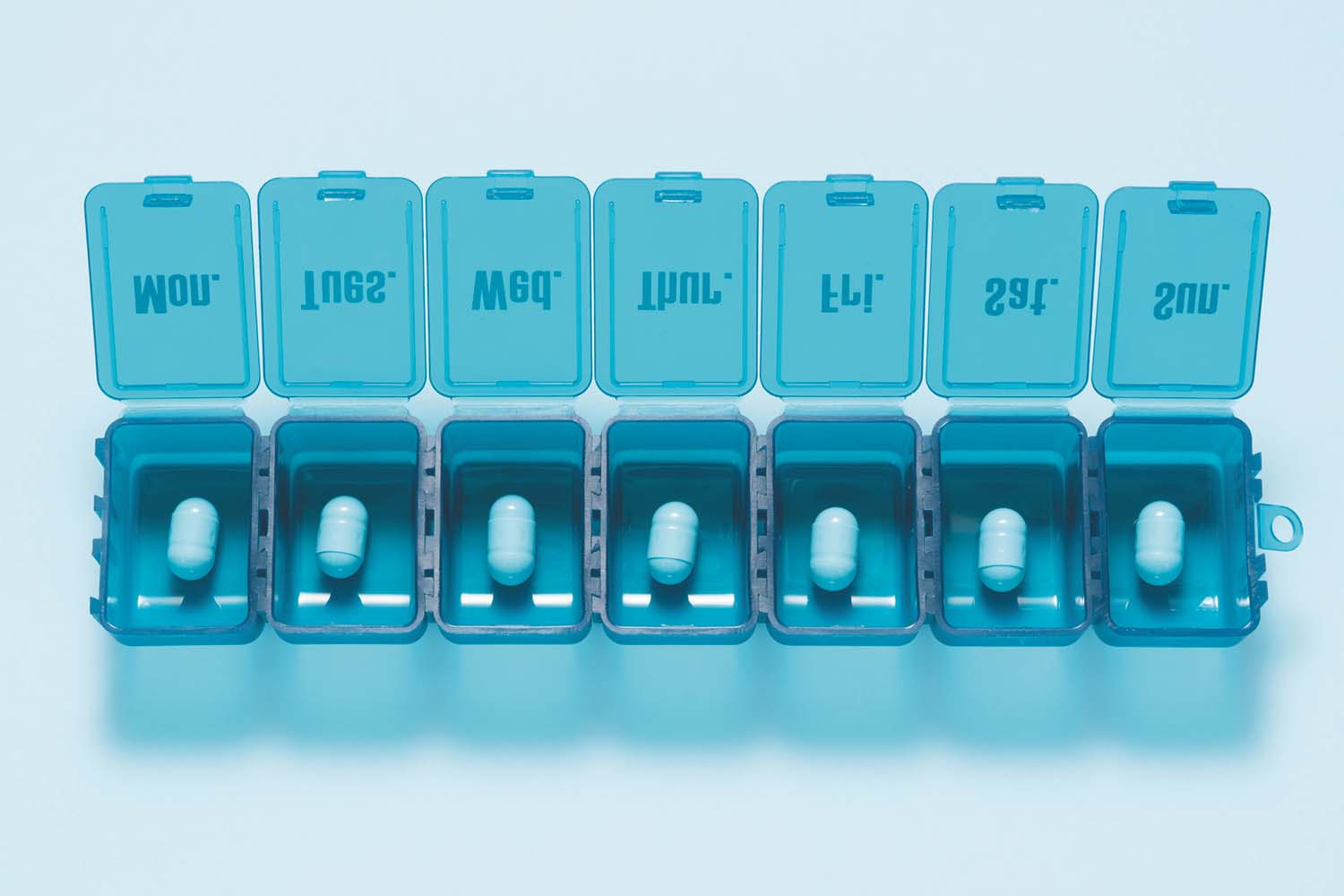
How can I reduce my number of daily medications?
Many people end up taking a long list of medications when they might be able to safely reduce the number of daily pills. Reviewing medications with their specialists and primary care doctor can help determine which drugs may be reduced or perhaps discontinued.

Curcumin supplements might ease meal-related discomfort
A small randomized trial in 2023 found that taking two 250-mg capsules of curcumin four times a day was as effective at relieving dyspepsia symptoms as taking one daily 20-mg dose of the heartburn medication omeprazole (Prilosec, Zegerid).

Stopping a medication? Check first, quit safer
Abruptly stopping a medication can be risky and even life-threatening. For example, suddenly discontinuing certain drugs can cause a rebound effect, meaning that symptoms or problems that were controlled—such as high blood pressure or heartburn—can return with a vengeance. Stopping some medications, such as prescription painkillers or antidepressants, might result in withdrawal symptoms. Before quitting any drug cold turkey, it's important to consult with a doctor to make sure that it's safe.
Hip bursitis vs. arthritis: How to tell the difference
Fitness for longevity: Which type matters most?
Ministrokes linked to elevated risk of dementia
Continuous glucose monitors benefit people who don't need insulin
CoQ10: Should you take this popular supplement if you're on a statin?
Microplastics: A hidden health threat?
Oat vs. dairy milk: Nutrition, benefits, and downsides
What is tempeh? Benefits, nutrition, and how to use it
Healing after food poisoning
Whole grains may improve several heart risk factors at once
Free Healthbeat Signup
Get the latest in health news delivered to your inbox!
Sign Up
