

Hip bursitis vs. arthritis: How to tell the difference

Fitness for longevity: Which type matters most?

Ministrokes linked to elevated risk of dementia

Continuous glucose monitors benefit people who don't need insulin

CoQ10: Should you take this popular supplement if you're on a statin?

Microplastics: A hidden health threat?

Oat vs. dairy milk: Nutrition, benefits, and downsides

What is tempeh? Benefits, nutrition, and how to use it

Healing after food poisoning

Whole grains may improve several heart risk factors at once
Medications and treatments Archive
Articles

Study suggests tai chi improves life for people with chronic health problems
Image: Thinkstock
Research we're watching
An analysis published online Sept. 17, 2015, by the British Journal of Sports Medicine suggests that doing tai chi enhances the quality of life for people with common chronic conditions.
Researchers analyzed data from 33 studies involving nearly 1,600 adults. Most were in their 60s or 70s, and all had one or more chronic conditions: osteoarthritis, breast cancer, heart failure, or chronic obstructive pulmonary disease (COPD). All 290 participants in the breast cancer studies were women. There were 452 women (85% of participants) in the arthritis studies, 76 (16%) in the heart failure studies, and 92 (19%) in the COPD studies.


Can you find a good night’s sleep at the drugstore?
Almost everyone suffers from trouble sleeping at one time or another. Insomnia — defined as trouble falling asleep or staying asleep — isn't a single disorder itself, but rather a general symptom, like fever or pain.
Because insomnia is so common, you can walk into any drugstore and find a bewildering variety of over-the-counter sleep products. And people are buying them. One small survey of people ages 60 and over found that more than a quarter had taken nonprescription sleeping aids in the preceding year — and that one in 12 did so daily.

Is it hard to decide about total knee replacement? Totally!
If arthritis in your knee means you can’t do everything you want, whether that’s walking the dog or playing a game of tennis, you may be considering a knee replacement. But are the benefits “as advertised”? A study published in The New England Journal of Medicine suggests that they may be, but it’s more important to weigh the risks and benefits with your personal preferences in mind.
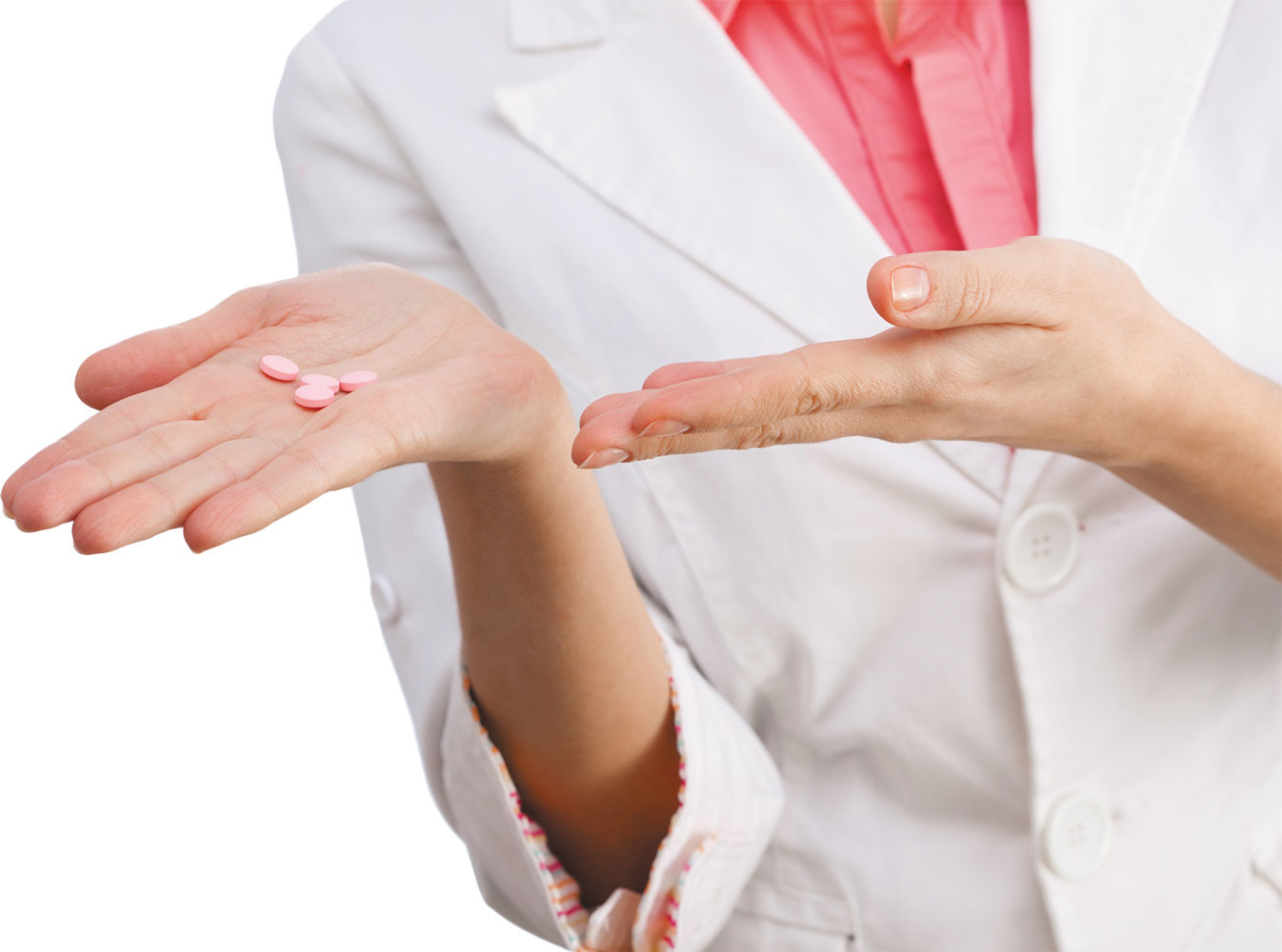
Addyi is not a "female Viagra," but it can open an important discussion
Many of my patients, colleagues, friends, and even neighbors have asked me about the new drug flibanserin (Addyi), which the FDA recently approved for treatment of low sexual desire in women. Flibanserin has generated more questions, comments, and media inquiries for me than I've ever experienced in my 20-year career as an obstetrician/gynecologist. While there are several medications that improve sexual function in men (including Viagra, the most famous one), flibanserin is the first to be approved for that purpose in women. Here are what I consider the relevant facts about flibanserin, and what I say to my patients.
The "pink pill" works differently than the "blue pill"—Viagra. Image: Thinkstock |

The new cholesterol-lowering drugs
Persistently high “bad” LDL cholesterol leads to heart attacks and strokes. New drugs can help, but they are not appropriate for all men. |
These potent medications are for hard-to-manage cases of high cholesterol—not replacements for the tried-and-true statins.
Ask the doctor: Saw palmetto and prostate health
Q. Some of my friends take saw palmetto supplements to reduce urinary problems caused by an overgrown prostate, which I was recently diagnosed with. My friends swear by it, but is there any good evidence this stuff helps? Is saw palmetto safe?
A. The short answer is that we don't have great scientific evidence that taking saw palmetto truly reduces male urinary problems. On the other hand, it doesn't appear to cause major side effects either.
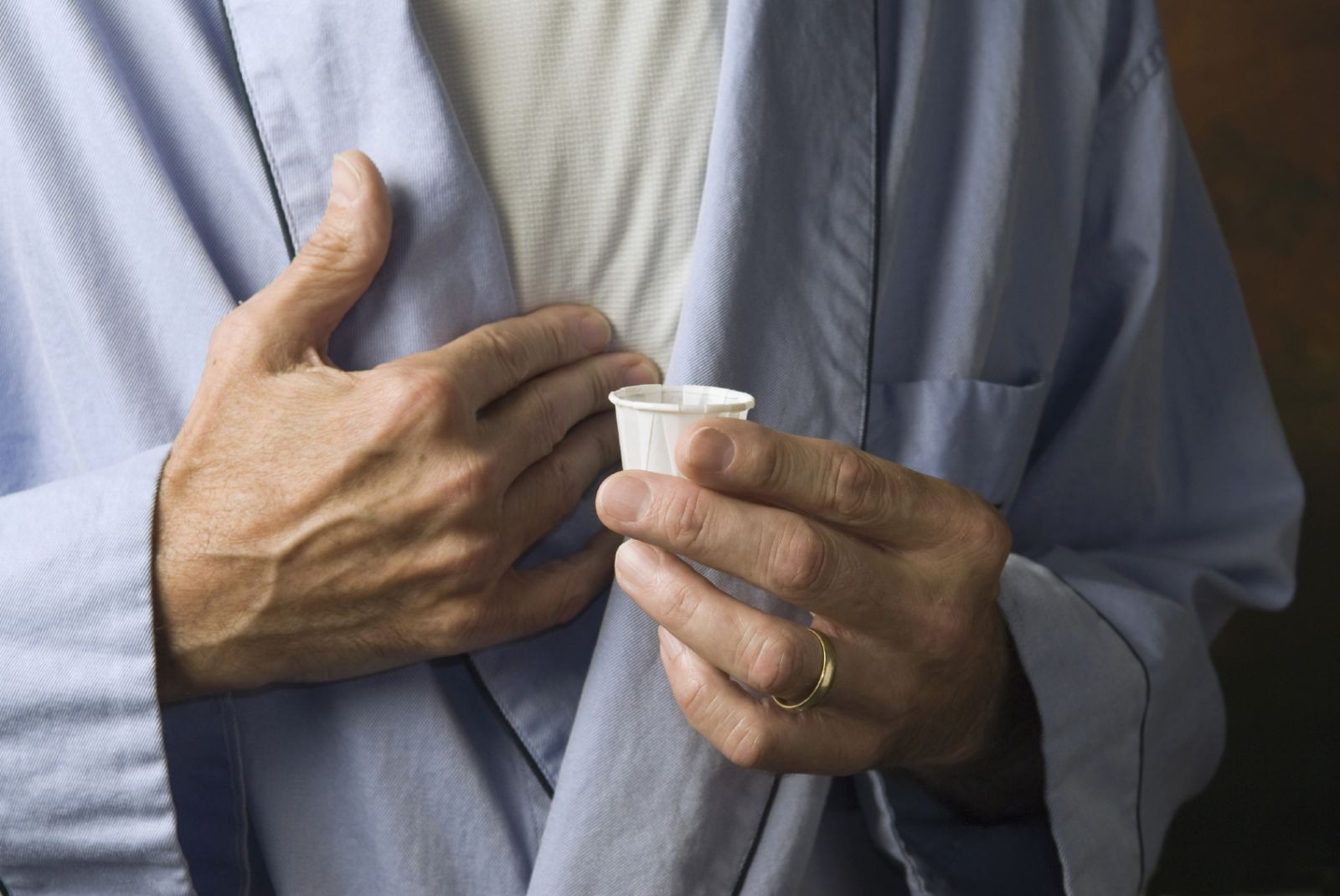
Is your heartburn pill working for you?
| Image: iStock |
For optimal results, you need to take your medication regularly and time it correctly to your meals.
Have you tried to cool the burning discomfort of heartburn with medication and failed to get full relief? If so, a few simple adjustments to optimize your treatment may be all you need.

Is your medication making you depressed?
When starting a new medication, keep a journal to track any new symptoms that develop. Note the time of day, date, and type of symptom you are experiencing. |
Be on the lookout for mood swings, sleeplessness, and anxiety when starting certain medications.

Ask the doctor: Should I take a vitamin E supplement?
Some studies have shown that taking vitamin E supplements may slow the progression of Alzheimer's disease and acute macular degeneration. |
Q. Are there any benefits to taking vitamin E supplements? Or any risks?
Hip bursitis vs. arthritis: How to tell the difference
Fitness for longevity: Which type matters most?
Ministrokes linked to elevated risk of dementia
Continuous glucose monitors benefit people who don't need insulin
CoQ10: Should you take this popular supplement if you're on a statin?
Microplastics: A hidden health threat?
Oat vs. dairy milk: Nutrition, benefits, and downsides
What is tempeh? Benefits, nutrition, and how to use it
Healing after food poisoning
Whole grains may improve several heart risk factors at once
Free Healthbeat Signup
Get the latest in health news delivered to your inbox!
Sign Up
