

Hip bursitis vs. arthritis: How to tell the difference

Fitness for longevity: Which type matters most?

Ministrokes linked to elevated risk of dementia

Continuous glucose monitors benefit people who don't need insulin

CoQ10: Should you take this popular supplement if you're on a statin?

Microplastics: A hidden health threat?

Oat vs. dairy milk: Nutrition, benefits, and downsides

What is tempeh? Benefits, nutrition, and how to use it

Healing after food poisoning

Whole grains may improve several heart risk factors at once
Medications and treatments Archive
Articles
The latest in cancer treatments
Groundbreaking cancer treatments continuously emerge from labs and research trials. Three Harvard oncologists share what stands out in their respective fields of prostate, lung, and colon cancer, the most common cancers among men. Examples include greater roles for immunotherapy, targeted therapy, and intensive hormonal treatments.

Weighing the new approaches to treating Crohn's and ulcerative colitis
In recent years, treatment options for inflammatory bowel disease have expanded rapidly, with new types of drugs, new medications within existing classes, and new combinations of treatments for some patients.

Are women turning to cannabis for menopause symptom relief?
A recent Harvard-led survey found that nearly 80% of midlife women use cannabis to ease certain symptoms, such as mood issues and trouble sleeping. But does cannabis help menopause symptoms and what are the long-term effects? Here's what you should know.

When is the "right" time for weight loss surgery?
Weight-loss surgery is now viewed as a way to both prevent and treat health problems linked to extreme obesity, such as diabetes, heart disease, and sleep apnea. Annually, more than 250,000 Americans undergo bariatric procedures, which can help extend their lives. Weight-loss procedures include sleeve gastrectomy, gastric bypass, and gastric banding, which reduce stomach size and change the way the body absorbs food. The surgery adds to other weight-loss measures such as diet, exercise, and medications.

Certain medications are better than others for managing spine pain
Certain medications are safer and more effective than others for treating spine pain in older adults, according to a recent study. Among these are the over-the-counter drugs acetaminophen (Tylenol) and ibuprofen (Advil) and some nerve pain drugs, muscle relaxants, and antidepressants.

The rundown on diarrhea
Everyone experiences acute (short-term) diarrhea at some time. The unpleasant experience often resolves on its own in a few days, but there are situations that require medical attention. Examples include bloody diarrhea, severe abdominal pain, a high fever, and episodes that continue for a week or longer. A medical consultation can help determine if diarrhea is related to a specific bacterium or parasite, a medication side effect, a food intolerance, or an inflammatory bowel disease.

Do activity trackers make us exercise more?
Activity trackers appear to motivate people to walk 40 more minutes per day, resulting in about two pounds of weight loss per person over time, according to an analysis published in the August 2022 issue of Lancet Digital Health.

Leaking a little urine: It's not just a female problem
Men often have a hard time coping with incontinence (urine leakage). It can leave them feeling depressed or socially isolated. Types of leakage problems in men include urge, stress, and overflow incontinence. Treatment depends on the type of incontinence a man is experiencing. For example, overflow incontinence may get better with a procedure to reduce the size of the prostate; medications, injections in the bladder muscle, and pelvic floor exercises can help with urge incontinence.

Atrial fibrillation after surgery: Common and undertreated?
After surgery unrelated to the heart, a diagnosis of atrial fibrillation (afib) may be more common than previously thought. These cases, which may constitute 13% of new afib diagnoses, appear to be undertreated.
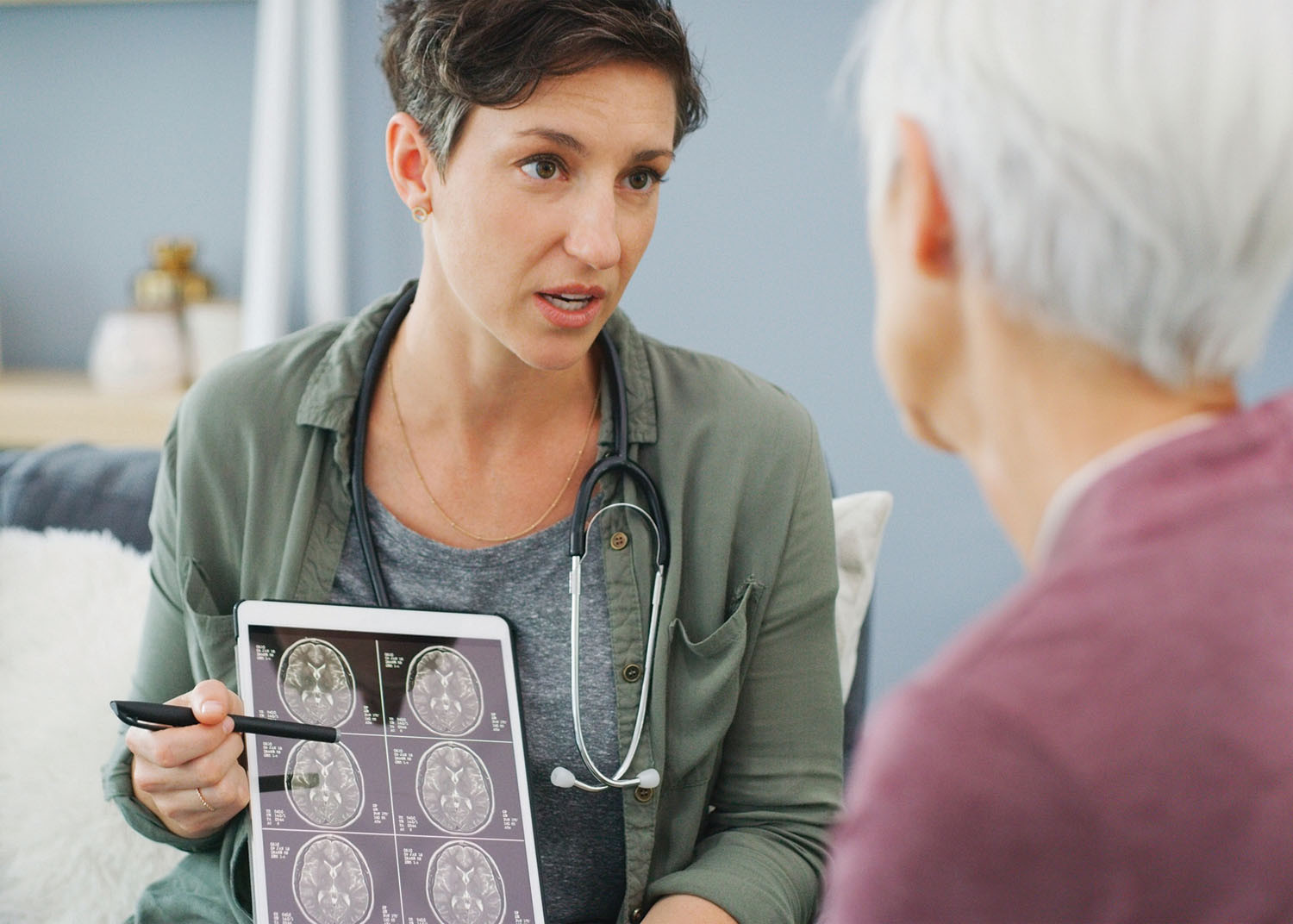
Hearts and minds
Vascular dementia, which arises from longstanding, cumulative damage to small blood vessels in the brain, may cause or contribute to up to half of cases of dementia. The vessels may thicken or become blocked by blood clots, causing tiny strokes that damage specific parts of the brain important for various thinking abilities. Keeping blood pressure in the recommended range of 120/80 or lower is the best way to prevent vascular dementia.
Hip bursitis vs. arthritis: How to tell the difference
Fitness for longevity: Which type matters most?
Ministrokes linked to elevated risk of dementia
Continuous glucose monitors benefit people who don't need insulin
CoQ10: Should you take this popular supplement if you're on a statin?
Microplastics: A hidden health threat?
Oat vs. dairy milk: Nutrition, benefits, and downsides
What is tempeh? Benefits, nutrition, and how to use it
Healing after food poisoning
Whole grains may improve several heart risk factors at once
Free Healthbeat Signup
Get the latest in health news delivered to your inbox!
Sign Up
