

Hip bursitis vs. arthritis: How to tell the difference

Fitness for longevity: Which type matters most?

Ministrokes linked to elevated risk of dementia

Continuous glucose monitors benefit people who don't need insulin

CoQ10: Should you take this popular supplement if you're on a statin?

Microplastics: A hidden health threat?

Oat vs. dairy milk: Nutrition, benefits, and downsides

What is tempeh? Benefits, nutrition, and how to use it

Healing after food poisoning

Whole grains may improve several heart risk factors at once
Medications and treatments Archive
Articles

Harnessing CRISPR to stop viruses
News briefs
A research team from Harvard reports that it has harnessed the powerful gene editing tool called CRISPR to recognize and kill viruses. The findings were published online Oct. 2, 2019, by Molecular Cell. CRISPR can alter strands of both DNA and RNA (a molecule related to DNA), which are built like strings of beads. Each bead consists of one of four chemicals called bases. CRISPR can recognize a specific sequence of bases (such as one that is characteristic of a particular virus), latch on to that sequence and cut it, and change the sequence to a different one. This can scramble the genetic sequence of a virus in such a way that the virus no longer can make copies of itself. The Harvard team used this technique to kill several viruses that are made of RNA — including influenza virus — in a laboratory dish. The next step will be to see if the CRISPR technique can also be used to kill viruses in a living animal. That will be much harder. However, if it works, the technique might someday help humans fight viral infections.
Image: © Bill Oxford/Getty Images

Hair thinning? Get to the root of the problem

FDA approves new migraine medication
Research we're watching
If you suffer from migraine headaches, there's a new option available to relieve your pain. In October 2019, the FDA approved lasmiditan (Reyvow) to treat migraine pain in adults. Taken as a pill, it works for migraines either with or without an aura (a visual disturbance within the hour before migraine pain starts). Lasmiditan is not designed to prevent migraines. Lasmiditan is the first migraine treatment in a class of drugs known as serotonin (5-HT) 1F receptor agonists. In studies, researchers found that it could relieve pain and other migraine symptoms within two hours.
Migraines affect an estimated 28 million women in the United States, according to the American Migraine Foundation, and the World Health Organization ranks them among the top 10 disabling conditions. Pain and other symptoms, which may include nausea, sensitivity to light and temporary vision changes, result in lost work days, reduced productivity, and diminished quality of life for many people.
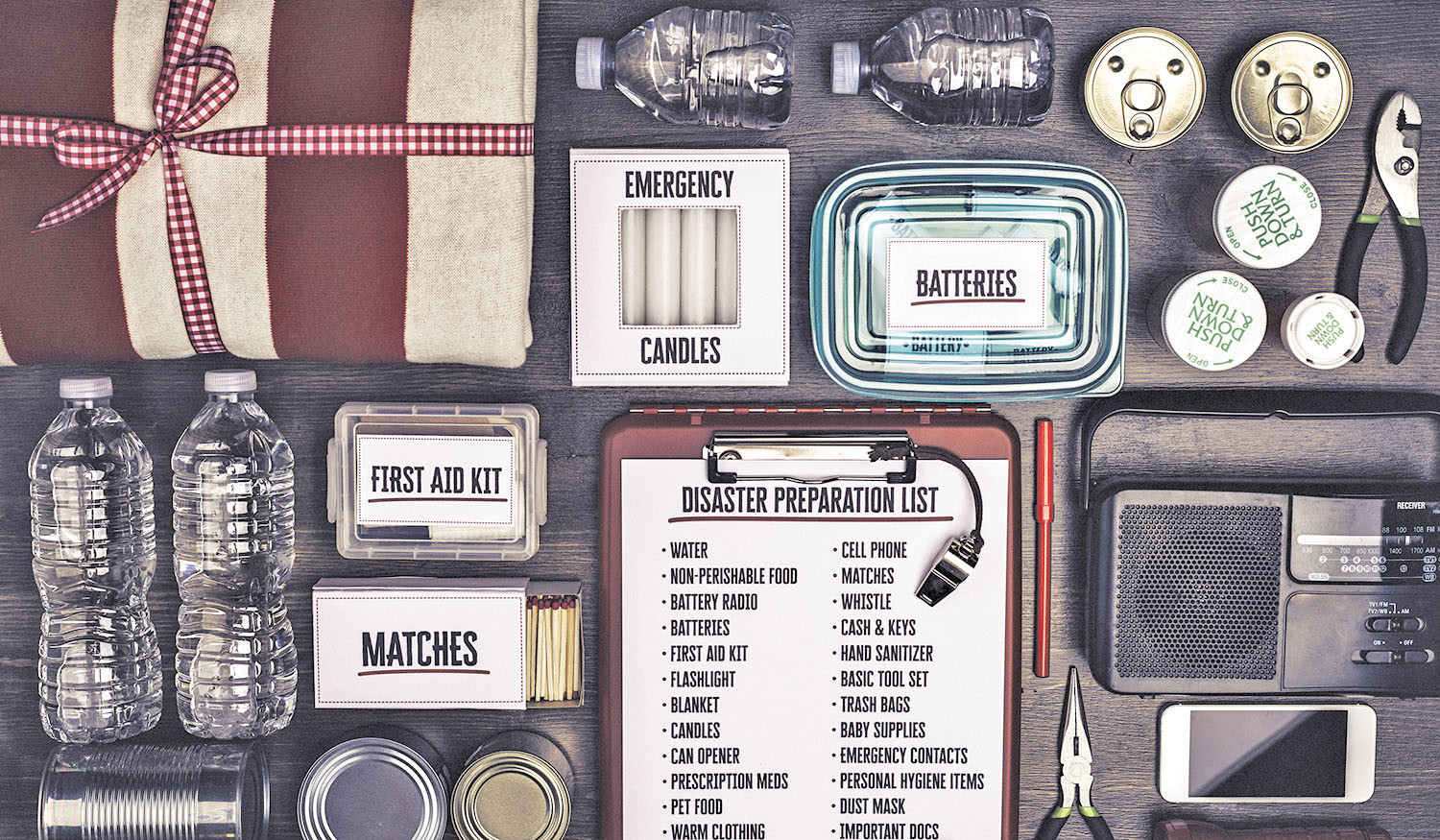
Be ready for emergencies
Here are 10 ways to safeguard your life (and health) when an emergency or disaster strikes.
Natural disasters and other kinds of emergencies can strike anywhere and often with little warning. Yet, new data from the University of Michigan National Poll on Healthy Aging show that most adults ages 50 to 80 are ill-prepared for severe weather, long-term power outages, or other emergency situations.
"Older adults should take the time to focus on how they will cope and manage with an emergency," says Dr. Howard LeWine, assistant professor of medicine at Harvard Medical School and editor-in-chief of this newsletter. "A small effort now can protect their health and well-being when an emergency does occur."
Bad mix: Blood thinners and NSAIDs
Image: Anita_Bonita/Getty Images |
Take the lowest dose of NSAIDs and stop using them as soon as possible.
Blood thinners are usually given to people at risk for developing blood clots from conditions, such as abnormal heart rhythms. Use of these lifesaving medications requires caution with other drugs, especially painkillers called nonsteroidal anti-inflammatory drugs (NSAIDs), such as ibuprofen (Advil) or naproxen (Aleve). But plenty of people take the risk to relieve aches and pains. "Many of the patients who need blood thinners are older and therefore at risk for arthritis, so it's not infrequent for a patient to be on both a blood thinner and an NSAID," says cardiologist Dr. Deepak L. Bhatt, a Harvard Medical School professor.

One hearing aid or two?
If you’re like most people with hearing loss, you’ll probably find that it takes time to accept the idea that you need a hearing aid, and you may be unhappy when your audiologist recommends that you get not one, but two. Chances are that your first question will be, “Is it normal to get two hearing aids?” And then, “Do I really need two?”
If you have hearing loss in only one ear and normal or nearly normal hearing in the other, then one hearing aid is all you need. But most people have hearing loss in both ears, especially if the loss is age-related. (You may have one ear that’s better than the other, but chances are both will be in the same ballpark.) In that case, research and experience suggest that you’ll ultimately be more satisfied with two hearing aids.

Season of receiving: Use free services to stay independent
Nonprofit groups offer services that can help you age in place.
Image: © fstop123/Getty Images
The holidays are a time of giving, but they're also a time to put yourself on the receiving list and assess whether you should be taking advantage of free health-related services offered by nonprofit organizations. Services are widely available, often regardless of income. But you might not know they exist. "Most older adults aren't introduced to support services until they're hospitalized or they work with a case manager or social worker," explains Barbara Moscowitz, a geriatric social worker at Harvard-affiliated Massachusetts General Hospital. "You don't have to wait for such an event."
What's available
On the local level, you can often find free or low-cost dental clinics, emotional support groups, meal or grocery delivery services, transportation, in-home health evaluations, exercise classes, health education classes, home evaluations for fall prevention, companion programs, caregiver respite services, or programs to help you navigate difficult chronic health conditions and their treatment.

Advice about taking aspirin and statins after age 75
These drugs are mainstays for preventing heart disease. Are they safe and effective in older people?
Low-dose aspirin and statins are both common, inexpensive drugs that help prevent the two root causes of most heart attacks — blood clots and cholesterol-laden plaque clogging the arteries of the heart. In recent years, a number of studies have helped experts refine their advice as to who should or should not take these medications.
However, evidence-based advice for people in their mid-70s and beyond is a bit harder to come by. Historically, most drug trials have included only a small proportion of people 75 and older, in part because there are fewer people in that age demographic. Also, older people tend to have other chronic health conditions. As such, they may be more prone to drug side effects, making doctors reluctant to enroll them in clinical trials.

Who needs aspirin?
Age, family history, and other risk factors determine if daily aspirin can help prevent a heart attack or stroke.
For many of us, aspirin was the go-to medicine of our youth. Everything from headaches, colds, and general aches and pains were treated with two aspirin and a glass of water.
For decades, aspirin was widely believed to be a safe way to protect healthy adults from heart attacks and strokes. But over the past couple years, new research has questioned this premise and many doctors have already stopped prescribing aspirin for adults at low risk of cardiovascular disease.

Women less likely than men to receive potentially lifesaving heart device
Research we're watching
Women experiencing heart failure are less likely than men with the same condition to receive a mechanical heart pump designed to help blood circulate through the body, says a study published in the September issue of the journal Circulation: Heart Failure. The pump, called a left ventricular assist device, or LVAD, is typically used in people who have advanced heart failure. Looking at data from nearly 30,000 hospitalizations in which people received an LVAD device, the researchers found that women made up only 21.9% of those recipients. That number represented a decline from 2004, when 25.8% of LVAD recipients were women. The study's author said the difference might reflect a reliance on outdated statistics that showed women were more likely to die after receiving LVAD devices. This is no longer the case with new versions of the device.
Image: JFsPic/Getty Images
Hip bursitis vs. arthritis: How to tell the difference
Fitness for longevity: Which type matters most?
Ministrokes linked to elevated risk of dementia
Continuous glucose monitors benefit people who don't need insulin
CoQ10: Should you take this popular supplement if you're on a statin?
Microplastics: A hidden health threat?
Oat vs. dairy milk: Nutrition, benefits, and downsides
What is tempeh? Benefits, nutrition, and how to use it
Healing after food poisoning
Whole grains may improve several heart risk factors at once
Free Healthbeat Signup
Get the latest in health news delivered to your inbox!
Sign Up
