

Hip bursitis vs. arthritis: How to tell the difference

Fitness for longevity: Which type matters most?

Ministrokes linked to elevated risk of dementia

Continuous glucose monitors benefit people who don't need insulin

CoQ10: Should you take this popular supplement if you're on a statin?

Microplastics: A hidden health threat?

Oat vs. dairy milk: Nutrition, benefits, and downsides

What is tempeh? Benefits, nutrition, and how to use it

Healing after food poisoning

Whole grains may improve several heart risk factors at once
Medications and treatments Archive
Articles

Taking a look at the latest trends in heart rhythm monitoring
Bulky recorders with lots of wires are being replaced by small patches and implanted devices.
An abnormal heart rhythm — when your heartbeat is too fast, too slow, or irregular — can be tricky to detect and diagnose. These electrical misfires are often short-lived and sporadic, so they're rarely seen on a routine electrocardiogram (ECG), a 10-second recording of the heart's electrical activity.
Many heart rhythm changes are harmless, but some cause fainting or other worrisome problems — including stroke. That's why doctors often rely on portable ECG devices that record your heart rhythm for several days — or even up to a month. But they're a bit of a nuisance because of the many wires, and you must remove and replace the electrodes when you shower or bathe.

Healthy lifestyle habits linked to lower drug costs
Research we're watching
People with cardiovascular disease who exercise regularly, don't smoke, and manage other risk factors spend far less money on medications than people who don't take such steps, a new study finds.
The study included 4,248 people ages 40 and older with clogged arteries (atherosclerosis), the most common form of cardiovascular disease. Researchers also relied on the Medical Expenditure Panel Survey, a national snapshot of health care expenses based on a survey of nearly 76,000 Americans.

Don’t fear pacemakers
Today's versions can correct many types of heart conditions that can keep you active and help you live longer.
Image: © cacaroot/Thinkstock
Think of a pacemaker, and perhaps the image of a frail person stuck on the couch comes to mind. If so, you need to update your mindset. For many men, these tiny electronic devices can change their lives for the better.
"The likelihood of needing a pacemaker increases with age," says Dr. Peter Zimetbaum, a cardiologist with Harvard-affiliated Beth Israel Deaconess Medical Center. "The good news is that today's pacemakers have evolved from fixing irregular heartbeats to helping the heart mimic normal function, all of which can help many men with certain heart conditions stay more active longer."
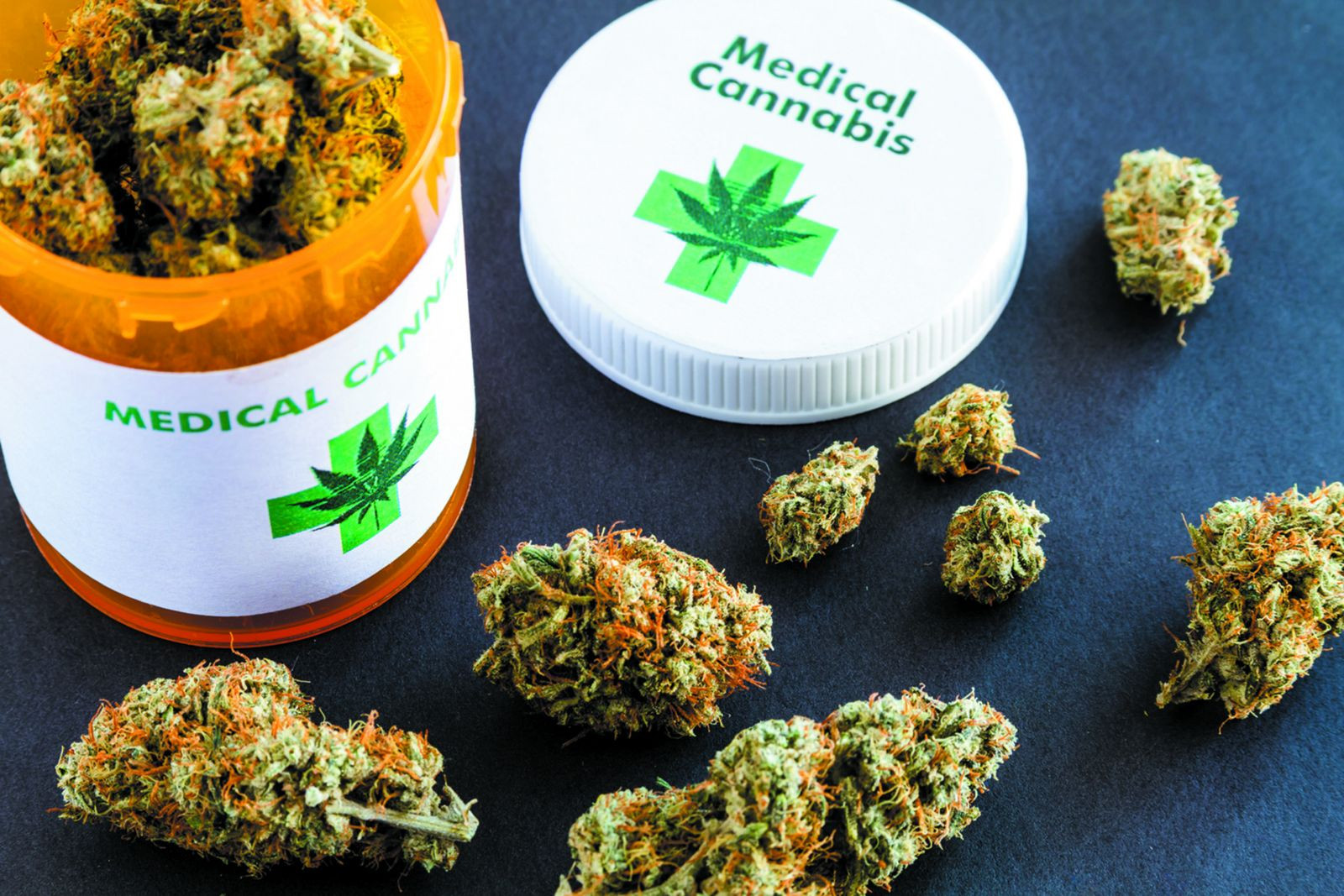
Medical marijuana: Know the facts
While the drug therapy is becoming more widely available, the science is still not clear on how it may help.
Image: © tvirbickis/Thinkstock
Medical marijuana has been approved in 28 states and the District of Columbia, but researchers are still trying to connect the dots as to how, and if, it works.
"Unfortunately, there are almost no uses of medical marijuana that have been subjected to the kind of rigorous testing you'd want for a pharmaceutical," says Dr. Kenneth Mukamal, associate professor of medicine at Harvard-affiliated Beth Israel Deaconess Medical Center. "This does not mean that it has no benefits, but only that the lack of human studies prevents us from being sure if medical marijuana can really help."
Sound amplification device may be a cheaper hearing aid choice
In the journals
Hearing aids can cost thousands of dollars, but a study in the July 4, 2017, Journal of the American Medical Association found that less expensive over-the-counter personal sound amplification products (PSAPs) might be a good alternative for some people.
PSAPs resemble hearing aids and help amplify sounds the same way, but are not regulated by the FDA and thus cannot be marketed as a correction or treatment for hearing loss. They often are advertised as being helpful in noisy places like crowds and meetings, and are sold online for about $200 to $400.
Opioid misuse rising among older adults
Research we're watching
A growing number of older adults are misusing opioids, according to a new report by the Substance Abuse and Mental Health Services Administration of the U.S. Department of Health and Human Services. The 2014 National Survey on Drug Use and Health showed that the percentage of adults ages 50 and older using heroin or misusing prescription opioids jumped from 1.1% to 2% between 2002 and 2014. In contrast, opioid use in adults ages 18 to 25 dropped from 11.5% to 8.1% over the same period.
Drug use can bring particular risks to the health and well-being of older adults because they are more likely than younger people to have other illnesses and often take medications that can interact with opioids, according Center for Substance Abuse Treatment. "These findings highlight the need for prevention programs for all ages as well as to establish improved evidence-based treatment, screening, and appropriate referral services," Dr. Kimberly Johnson, director for the Center for Substance Abuse Treatment, said in a written statement.

An aspirin a day for your health?
A daily low-dose aspirin may help prevent stroke and certain cancers, but the therapy carries certain risks you'll want to discuss with your physician.
It used to be that you would reach for an aspirin only if you had a headache or an achy joint, but current research shows that low doses of the drug may reduce your risk of stroke and even help prevent colorectal cancer.
So, does this mean you should head to the pharmacy, grab a bottle, and pop a tablet every morning to ward off disease? The short answer is, maybe — but only after you have a detailed conversation with your doctor about the potential benefits and risks. A low-dose aspirin regimen is certainly not appropriate for every woman.
Erectile dysfunction drugs not linked to melanoma
In the journals
The erectile dysfunction drugs collectively known as phosphodiesterase type 5 (PDE5) inhibitors, such as sildenafil (Viagra), may not cause melanoma, the most dangerous form of skin cancer, according to a study published online May 19, 2017, by the Journal of the National Cancer Institute.
In 2016, the FDA put PDE5 inhibitors on its watch list of medications with possible safety issues after some studies suggested they might increase the risk for melanoma. In response to the FDA's action, researchers analyzed data from five large-scale studies of the issue, involving 866,049 men, published between 2014 and 2016.
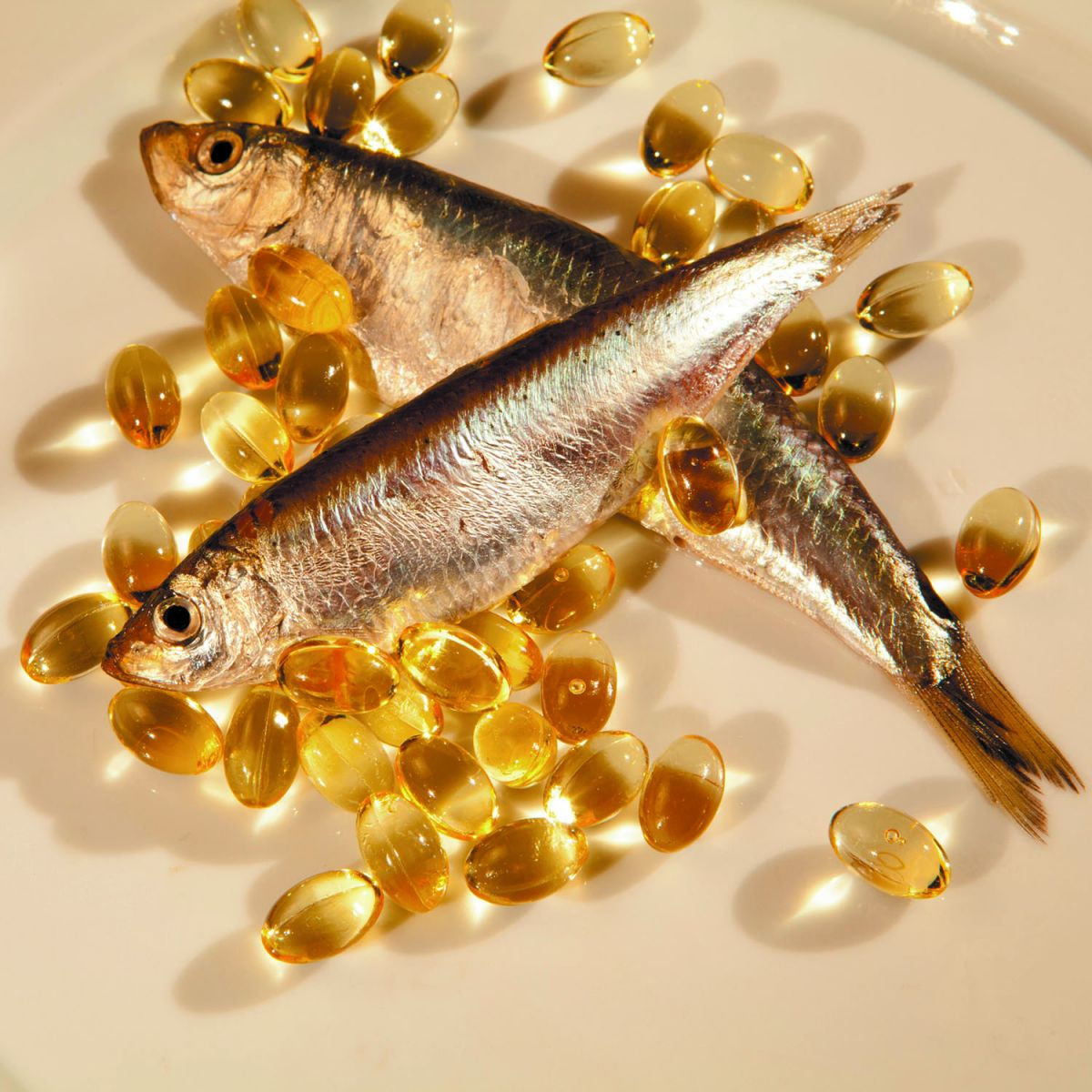
Taming high triglycerides without fish oil?
Ask the doctor
Image: © JanIngeskogheim/Thinkstock
Q. My doctor prescribed Lovaza to help lower my high triglyceride level, which is 530 milligrams per deciliter (mg/dL). But I'm a vegetarian and don't want to take a drug made from fish oil. Are there other options?
A. You're not alone: several of my vegetarian patients also have asked me this question. But let's begin with some background. Triglycerides — which are the main form of fat found in our bodies — are part of a standard lipid panel blood test. Values higher than 150 mg/dL are associated with a higher risk of heart disease.
Daily aspirin users 75 or older: Consider taking a stomach-protecting drug
Research we're watching
Roughly half of Americans ages 75 or older take a daily, low-dose aspirin to prevent a heart attack or stroke. New research suggests these people might benefit from taking a stomach-protecting drug to prevent a higher-than-expected risk of gastrointestinal (GI) bleeding.
The study, published online June 13, 2017, by The Lancet, involved nearly 3,200 people who were prescribed aspirin because of a previous heart attack or stroke. Researchers followed them for up to 10 years to see how many were hospitalized for bleeding — a well-known side effect of aspirin use. Upper GI bleeding usually results from a stomach ulcer, which can cause anemia, heartburn, and abdominal pain.
Hip bursitis vs. arthritis: How to tell the difference
Fitness for longevity: Which type matters most?
Ministrokes linked to elevated risk of dementia
Continuous glucose monitors benefit people who don't need insulin
CoQ10: Should you take this popular supplement if you're on a statin?
Microplastics: A hidden health threat?
Oat vs. dairy milk: Nutrition, benefits, and downsides
What is tempeh? Benefits, nutrition, and how to use it
Healing after food poisoning
Whole grains may improve several heart risk factors at once
Free Healthbeat Signup
Get the latest in health news delivered to your inbox!
Sign Up
