

Hip bursitis vs. arthritis: How to tell the difference

Fitness for longevity: Which type matters most?

Ministrokes linked to elevated risk of dementia

Continuous glucose monitors benefit people who don't need insulin

CoQ10: Should you take this popular supplement if you're on a statin?

Microplastics: A hidden health threat?

Oat vs. dairy milk: Nutrition, benefits, and downsides

What is tempeh? Benefits, nutrition, and how to use it

Healing after food poisoning

Whole grains may improve several heart risk factors at once
Memory Archive
Articles
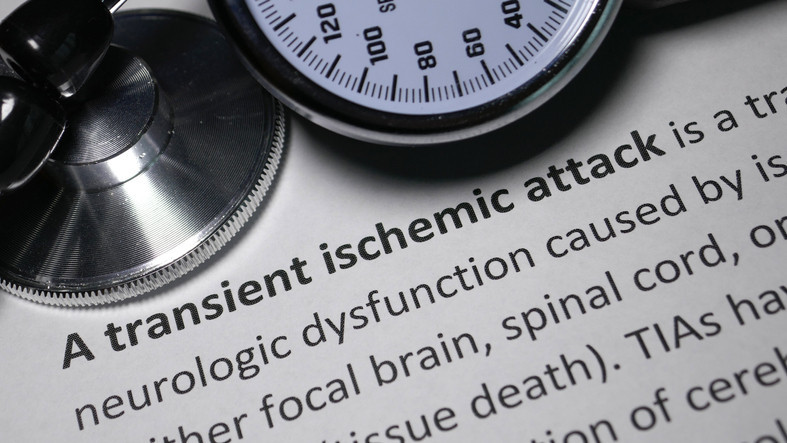
Transient ischemic attacks: Varied symptoms, all important

Sleep well — and reduce your risk of dementia and death
Although it has been known for some time that individuals with dementia frequently have poor, fragmented sleep, two new studies suggest that if you don't get enough sleep in midlife, you are at increased risk for dementia later in life.

Put your brain to the challenge
New experiences stimulate pathways that improve memory.
Our brains have the capacity to improve as we age. "The mechanisms in place may slow over time, but the brain's ability to change doesn't wane," says Dr. Alvaro Pascual-Leone, medical director of the Deanna and Sidney Wolk Center for Memory Health at Harvard-affiliated Hebrew SeniorLife.
Just as when you work to strengthen aging muscles, though, you need to put in extra effort to keep the "muscle" inside your head in top condition. Among the best ways to do this is to learn new things that continuously challenge your mind.

Do post-lunch naps pump up memory and thinking skills?
News briefs
A little afternoon snooze can help you feel more rested — and it might do you good in other ways, too. A small study from China published online Jan. 25, 2021, by General Psychiatry suggests that afternoon naps (between five minutes and two hours long) may be good for your memory and thinking skills. Researchers put more than 2,200 older adults through a series of health screenings that included blood tests and cognitive assessments, and also asked participants whether and how often they napped. About 1,500 of the participants were nappers. Compared with people who didn't nap, the nappers performed better on cognitive tests, scoring better on location awareness, verbal fluency, and memory. The study was observational, so it can't prove that napping caused the better cognitive test results. Previous studies have shown that afternoon nap benefits decline as age and nap duration increase. Short, frequent naps (less than 30 minutes, four times per week) have been associated with reduced risks for developing Alzheimer's disease. In contrast, people who take long naps (two hours or longer) appear to have worse cognitive function, although it is unclear what is cause and what is effect.
Image: kali9/Getty Images

How isolation affects memory and thinking skills
Consider your social interaction if you've been feeling foggy.
We've all been isolated from many family members and friends during the pandemic. If you've been having a harder time remembering things or processing information since the pandemic began, it could be an isolation side effect.
"It's something I'm seeing clinically. Some people were okay before the pandemic and now they're having faster cognitive decline," says Dr. Joel Salinas, a behavioral neurologist and faculty member of the Harvard Center for Population and Development Studies.

Terrified of needles? That can affect your health
No one likes being stuck by a needle, and it’s not unusual for a person to be afraid of needles. If it’s serious enough, this phobia can affect quality of life and overall health — an especially important concern with vaccination available for COVID-19. But there are ways to cope with the problem.

How is treatment for myasthenia gravis evolving?
Myasthenia gravis (MG) is a rare neuromuscular disease that impairs the transmission of nerve signals to muscles, causing temporary weakness of affected muscles. While treatment is complex, recently updated guidelines have added to the understanding of MG and are improving approaches to treatment.

Sleep, stress, or hormones? Brain fog during perimenopause

Black peer support: A role in mental health recovery
Peer support groups in mental health allow people with similar lived experiences to listen, share, and encourage one another. A Black peer support group created around race and culture as well as mental health may offer a safe space that allows people to address aspects of shared identity and experiences around racism with others who understand their daily reality.

Can we restore memories we’ve lost?
Ask the doctor
Q. How do we store memories in our brain, and is there hope that someday we might be able to restore memories we've lost?
A. We remember just a tiny fraction of the events of our lives. The sights and sounds of every conscious moment could become a memory. But only when a moment seems important do we remember it, at least for a while. I remember the radiant beauty of my wife's face on our wedding day, at the moment she lifted the veil.
Hip bursitis vs. arthritis: How to tell the difference
Fitness for longevity: Which type matters most?
Ministrokes linked to elevated risk of dementia
Continuous glucose monitors benefit people who don't need insulin
CoQ10: Should you take this popular supplement if you're on a statin?
Microplastics: A hidden health threat?
Oat vs. dairy milk: Nutrition, benefits, and downsides
What is tempeh? Benefits, nutrition, and how to use it
Healing after food poisoning
Whole grains may improve several heart risk factors at once
Free Healthbeat Signup
Get the latest in health news delivered to your inbox!
Sign Up
