

Hip bursitis vs. arthritis: How to tell the difference

Fitness for longevity: Which type matters most?

Ministrokes linked to elevated risk of dementia

Continuous glucose monitors benefit people who don't need insulin

CoQ10: Should you take this popular supplement if you're on a statin?

Microplastics: A hidden health threat?

Oat vs. dairy milk: Nutrition, benefits, and downsides

What is tempeh? Benefits, nutrition, and how to use it

Healing after food poisoning

Whole grains may improve several heart risk factors at once
Memory Archive
Articles

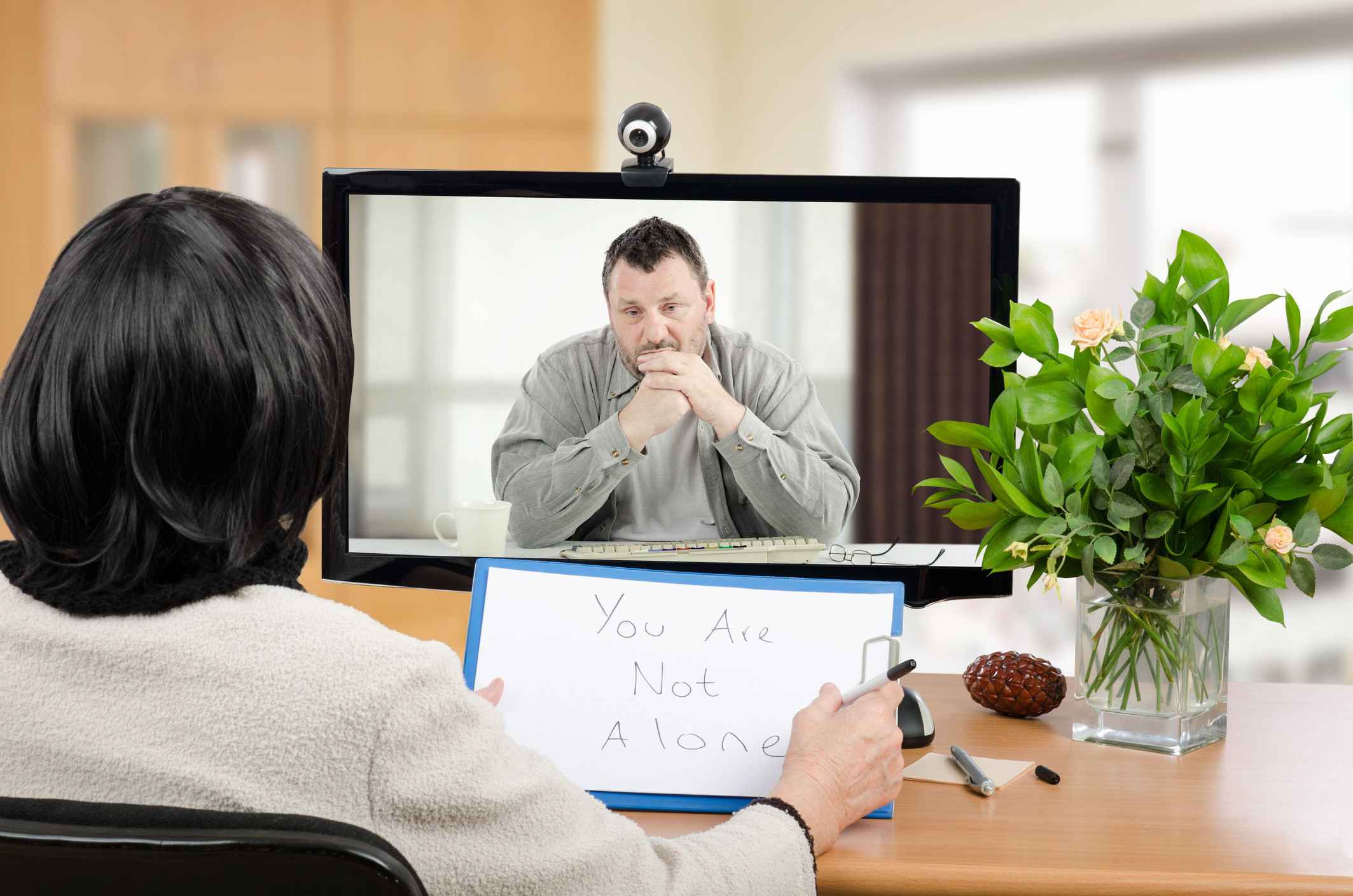
Always worried about your health? You may be dealing with health anxiety disorder
Health anxiety can interfere with your life, but it's highly treatable.
Image: © XiXinXing/Getty Images
You spend hours on the Internet researching health information. When you get a scratchy throat you automatically think cancer — not a cold. And even when medical tests come back showing that you're healthy, it doesn't make you feel better. In the back of your mind you still feel like something is wrong.
If this sounds like you or a loved one, it may be health anxiety.
Recovering from addiction during a time of uncertainty and social distancing
Because the very nature of recovery support involves face-to-face interaction, whether in support group meetings or dispensing medication, it is at odds with the need for social distancing during the COVID-19 crisis, creating barriers to receiving support and maintaining recovery.

Larger waist size may point to dementia risk
In the journals
Older adults with a healthy weight but a large waistline could have a higher risk of developing dementia, according to a recent study.
Weight gain and obesity are known risk factors for dementia, and body mass index (BMI) is often used to estimate excess body fat. (BMI is a measure that takes into account both weight and height.)

Finding meaning in life could improve your health
In the journals
Do you feel you have a purpose in your life — or perhaps think you will never find one? The answer could influence your overall well-being, says a recent study in the January/February 2020 issue of The Journal of Clinical Psychiatry.
Researchers asked 1,042 adults, average age 65, to fill out questionnaires about meaning in their lives, and compared their responses with data on their physical and mental well-being. Respondents who believed they had meaning in their life had better physical and mental health scores and higher cognitive function compared with those who didn't.

Apps to keep us connected in a time of social distancing
The challenge of being isolated from loved ones and friends can be eased by using any of several different apps that enable various types of communication, including video calls and messages.
Opportunities for growth: Transitions for youth with autism spectrum disorder
For young people with autism spectrum disorder, the transition from adolescence to adulthood is marked by changes in many areas of their lives. Healthcare providers and caregivers can make this transition smoother and help their patients meet these challenges.

What works best for treating depression and anxiety in dementia?
There is evidence that antidepressants are not effective in older people with dementia. Emerging research suggests that nondrug, psychosocial interventions are the most effective treatments for depression or anxiety in older adults with cognitive impairment.

Meditation may help you catch mental mistakes
In the journals
If you want to make fewer mental mistakes, try meditation, suggests a study in the September 2019 issue of Brain Sciences.
Researchers recruited 200 people who had never meditated and led them through a guided 20-minute meditation called open monitoring. While many styles of meditation have you focus on a single object, like your breathing or a visual image, the goal of open monitoring meditation is to pay more attention to your feelings and body sensations.

The role of our minds in the avoidance of falls
In older people, the majority of falls occur when someone is standing or walking while also performing a separate cognitive or motor task. These tasks require more cognitive effort as we age, but focus and awareness can prevent falls from happening.

Dopamine fasting: Misunderstanding science spawns a maladaptive fad
Dopamine is a neurotransmitter involved in the body’s system for reward and pleasure. A recent trend has people avoiding stimulating activities in the belief that doing so allows the body to reset from being overstimulated, but the original idea has been misunderstood and wrongly applied.
Hip bursitis vs. arthritis: How to tell the difference
Fitness for longevity: Which type matters most?
Ministrokes linked to elevated risk of dementia
Continuous glucose monitors benefit people who don't need insulin
CoQ10: Should you take this popular supplement if you're on a statin?
Microplastics: A hidden health threat?
Oat vs. dairy milk: Nutrition, benefits, and downsides
What is tempeh? Benefits, nutrition, and how to use it
Healing after food poisoning
Whole grains may improve several heart risk factors at once
Free Healthbeat Signup
Get the latest in health news delivered to your inbox!
Sign Up
