

Hip bursitis vs. arthritis: How to tell the difference

Fitness for longevity: Which type matters most?

Ministrokes linked to elevated risk of dementia

Continuous glucose monitors benefit people who don't need insulin

CoQ10: Should you take this popular supplement if you're on a statin?

Microplastics: A hidden health threat?

Oat vs. dairy milk: Nutrition, benefits, and downsides

What is tempeh? Benefits, nutrition, and how to use it

Healing after food poisoning

Whole grains may improve several heart risk factors at once
Menopause and perimenopause Archive
Articles

Preventing preeclampsia may be as simple as taking an aspirin
Preeclampsia is a complication of pregnancy that can cause serious health issues. While it can happen during any pregnancy, certain risk factors increase its likelihood. Now, a statement from the US Preventive Services Task Force supported by a review of research recommends that doctors prescribe a low-dose daily aspirin for those at risk.

Menopause and memory: Know the facts
The number of people in the US with Alzheimer's disease is expected to climb drastically over the coming decades, and two-thirds of those people will be women. Understanding factors that happen earlier in life, and how they impact the brain later, is critical for developing strategies to prevent this public health crisis. Studies are examining the ways menopause affects the brain and how to maintain memory.

If it’s not breast cancer, should you worry?

Laser therapy can counter vaginal symptoms of menopause

Why try for a vaginal birth after a cesarean?
In the US, nearly a third of babies born arrive by cesarean delivery, and once a person has had a cesarean birth, the odds increase that any subsequent babies will be delivered the same way. Why is trying for a vaginal birth after cesarean (VBAC) helpful and how has a calculator intended to predict the likelihood of successful outcomes changed to help discourage health disparities?

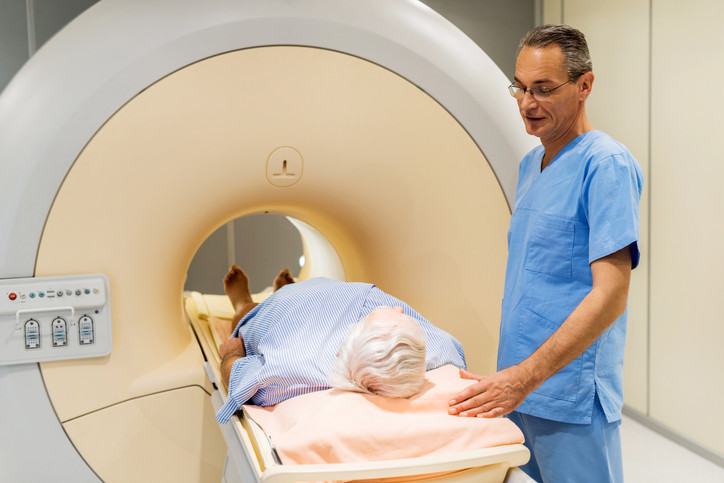
Radiation risk from medical imaging
Given the huge increase in the use of CT scans, concern about radiation exposure is warranted. Patients should try to keep track of their cumulative radiation exposure, and only have tests when necessary.


Early menopause linked to higher risk of stroke

A different nonhormonal birth control option
Last year the FDA approved a hormone-free birth control option called Phexxi. It's a contraceptive gel that changes the pH of the vagina to help immobilize sperm, rather than a spermicide. How effective is it, what are the possible side effects, and which other available birth control options could you consider?
Hip bursitis vs. arthritis: How to tell the difference
Fitness for longevity: Which type matters most?
Ministrokes linked to elevated risk of dementia
Continuous glucose monitors benefit people who don't need insulin
CoQ10: Should you take this popular supplement if you're on a statin?
Microplastics: A hidden health threat?
Oat vs. dairy milk: Nutrition, benefits, and downsides
What is tempeh? Benefits, nutrition, and how to use it
Healing after food poisoning
Whole grains may improve several heart risk factors at once
Free Healthbeat Signup
Get the latest in health news delivered to your inbox!
Sign Up
