

Hip bursitis vs. arthritis: How to tell the difference

Fitness for longevity: Which type matters most?

Ministrokes linked to elevated risk of dementia

Continuous glucose monitors benefit people who don't need insulin

CoQ10: Should you take this popular supplement if you're on a statin?

Microplastics: A hidden health threat?

Oat vs. dairy milk: Nutrition, benefits, and downsides

What is tempeh? Benefits, nutrition, and how to use it

Healing after food poisoning

Whole grains may improve several heart risk factors at once
Mental Health Archive
Articles

What men can gain from therapy
Men are often reluctant to seek therapy. After all, it involves asking for help and talking candidly about one’s emotions, two things that many men are eager to avoid. But men should know that there’s no need to “tough out” whatever they’re going through. There are plenty of professionals out there who are ready and willing to lend an ear.




The latest dangerous “addiction” parents need to worry about: Mobile devices
If you’ve looked up from your phone recently — or even if you haven’t! — you may have noticed that many children and teens are glued to their devices. While experts aren’t quite ready to call this an “addiction,” a new survey of parents and teens confirms that many of them suspect they’re too dependent on their devices. We’ve discussed the potential implications of this, plus suggested some “ground rules” for when to ignore those devices.

Cardiac rehab: Even better with stress reduction
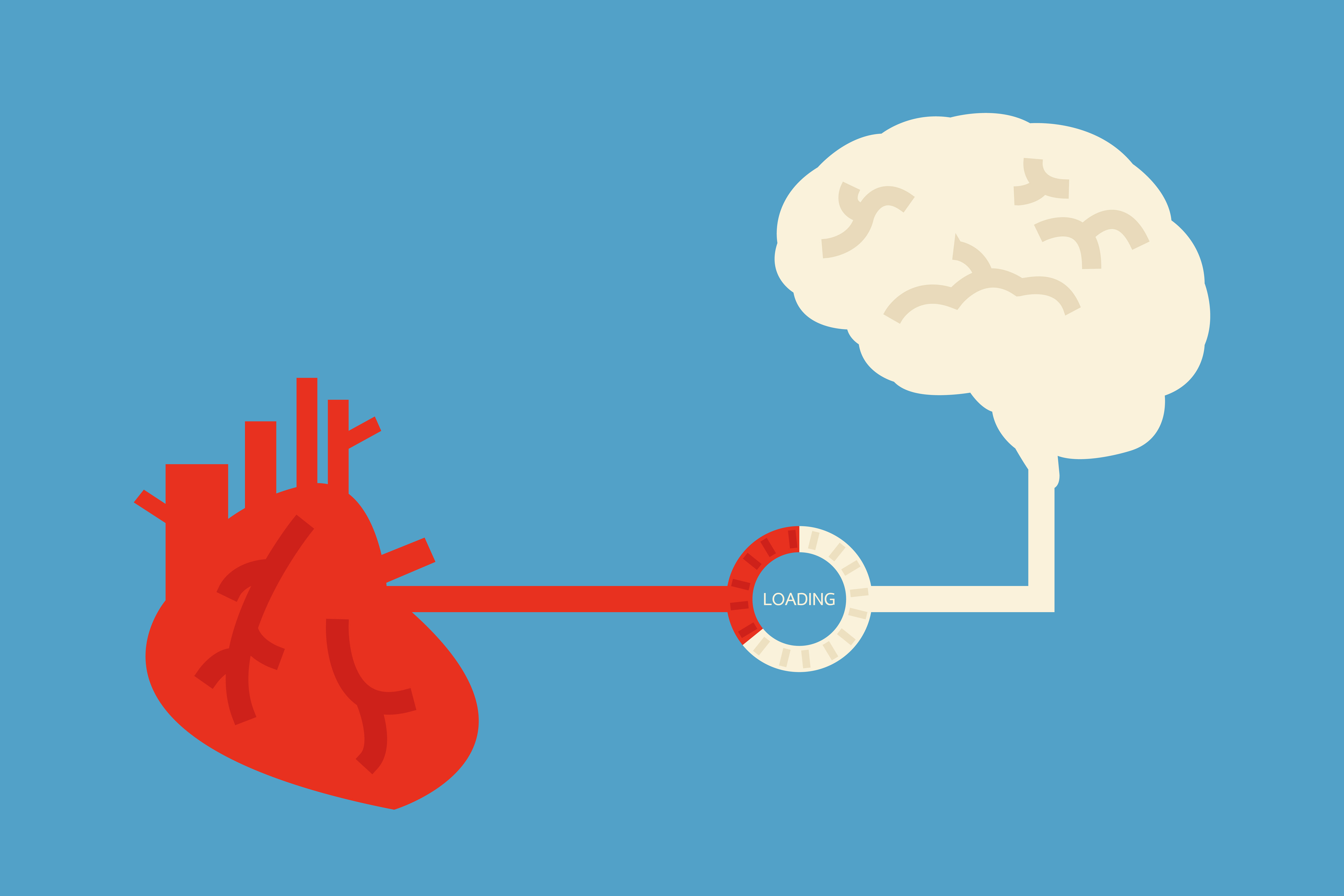
Cardiac rehabilitation—a supervised program to help people recover after a heart attack or heart surgery—may be more helpful if it includes stress reduction training, according to a study published online March 21 in the journal Circulation.
Researchers compared three groups of heart patients: people who did cardiac rehab for 12 weeks, those who did cardiac rehab plus stress reduction, and those who chose not to participate in cardiac rehab. The stress reduction group engaged in weekly, 1.5 hour-long sessions that included small group discussions and training in stress reduction, coping skills, and relaxation techniques.

Lend a hand, help your heart?
People who do volunteer work may reap benefits beyond the satisfaction of helping others.
Doing volunteer work may give you a greater sense of purpose in life—a positive emotion that’s been linked to a lower risk of heart disease.
Image: monkeybusinessimages/Thinkstock
If you volunteer on a regular basis, perhaps you've experienced the emotional rewards of donating your time. What you might not realize, however, is that volunteering may offer some added advantages for your heart.
More than sad: Depression affects your ability to think
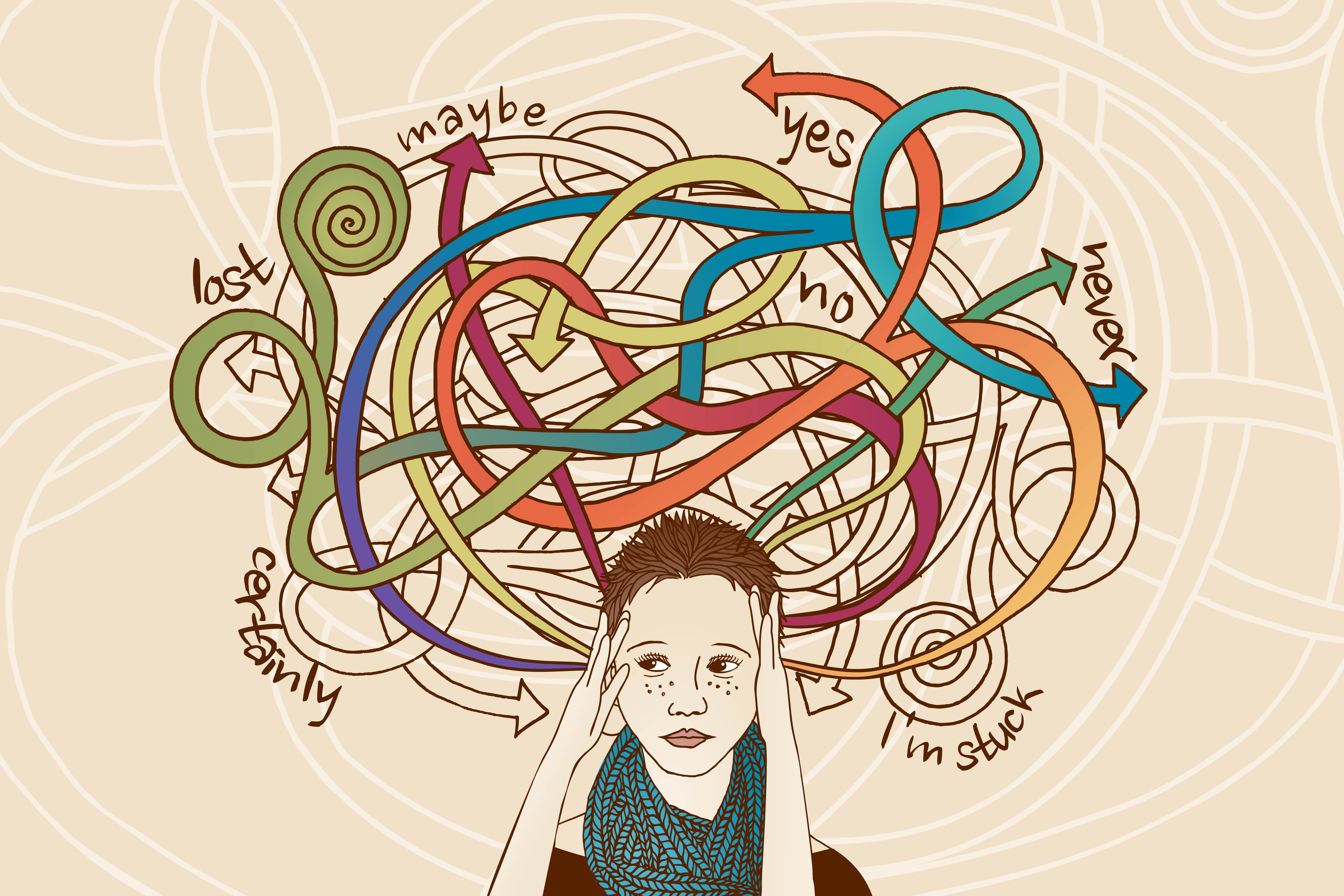
We often think of depression as making someone feel “down,” but it can sometimes show up as cognitive symptoms — for example, trouble with adapting to new information or thinking through a solution to a problem. Researchers recently determined that several common depression medications are not effective at relieving cognitive symptoms. But there are several things people with depression can try to help return themselves to their usual level of cognitive functioning.
Hip bursitis vs. arthritis: How to tell the difference
Fitness for longevity: Which type matters most?
Ministrokes linked to elevated risk of dementia
Continuous glucose monitors benefit people who don't need insulin
CoQ10: Should you take this popular supplement if you're on a statin?
Microplastics: A hidden health threat?
Oat vs. dairy milk: Nutrition, benefits, and downsides
What is tempeh? Benefits, nutrition, and how to use it
Healing after food poisoning
Whole grains may improve several heart risk factors at once
Free Healthbeat Signup
Get the latest in health news delivered to your inbox!
Sign Up
