

Hip bursitis vs. arthritis: How to tell the difference

Fitness for longevity: Which type matters most?

Ministrokes linked to elevated risk of dementia

Continuous glucose monitors benefit people who don't need insulin

CoQ10: Should you take this popular supplement if you're on a statin?

Microplastics: A hidden health threat?

Oat vs. dairy milk: Nutrition, benefits, and downsides

What is tempeh? Benefits, nutrition, and how to use it

Healing after food poisoning

Whole grains may improve several heart risk factors at once
Mental Health Archive
Articles

3 health strategies to help you get through the holidays
Image: Thinkstock
Plan now to help prevent overeating, trips to the hospital, and depression.
The winter holidays are supposed to be a joyous time, filled with celebration. But they come with health risks, such as loneliness and depression, overeating, weight gain, falls in icy weather, foodborne illness, and heart problems. Here are ways to protect yourself while enjoying the season.

Boot camp for better sleep
Image: Bigstock
Do you worry yourself awake frequently? Cognitive behavioral therapy can help.
If you have trouble getting to sleep and staying asleep, that's insomnia. It happens to everyone from time to time. But it can also become a chronic problem. For some men, fretting about whether they will be able to sleep—and the emotional upset of not being able to when they try—can itself become the root cause of insomnia.

Will Prozac help my premenstrual depression?
Ask the doctor
Q. I've had some severe bouts of depression before my periods. I have done my own research and I am willing to try an antidepressant. What dosage of Sarafem or Prozac is usually given to treat this?
A. Selective serotonin reuptake inhibitors (SSRIs) are an excellent option for treating premenstrual syndrome (PMS) and premenstrual dysphoric disorder (PMDD). In fact, most physicians now consider them first-line therapy. Many different SSRIs have been studied, including the one you asked about—fluoxetine (Prozac or Sarafem)—and they all appear to be equally effective.
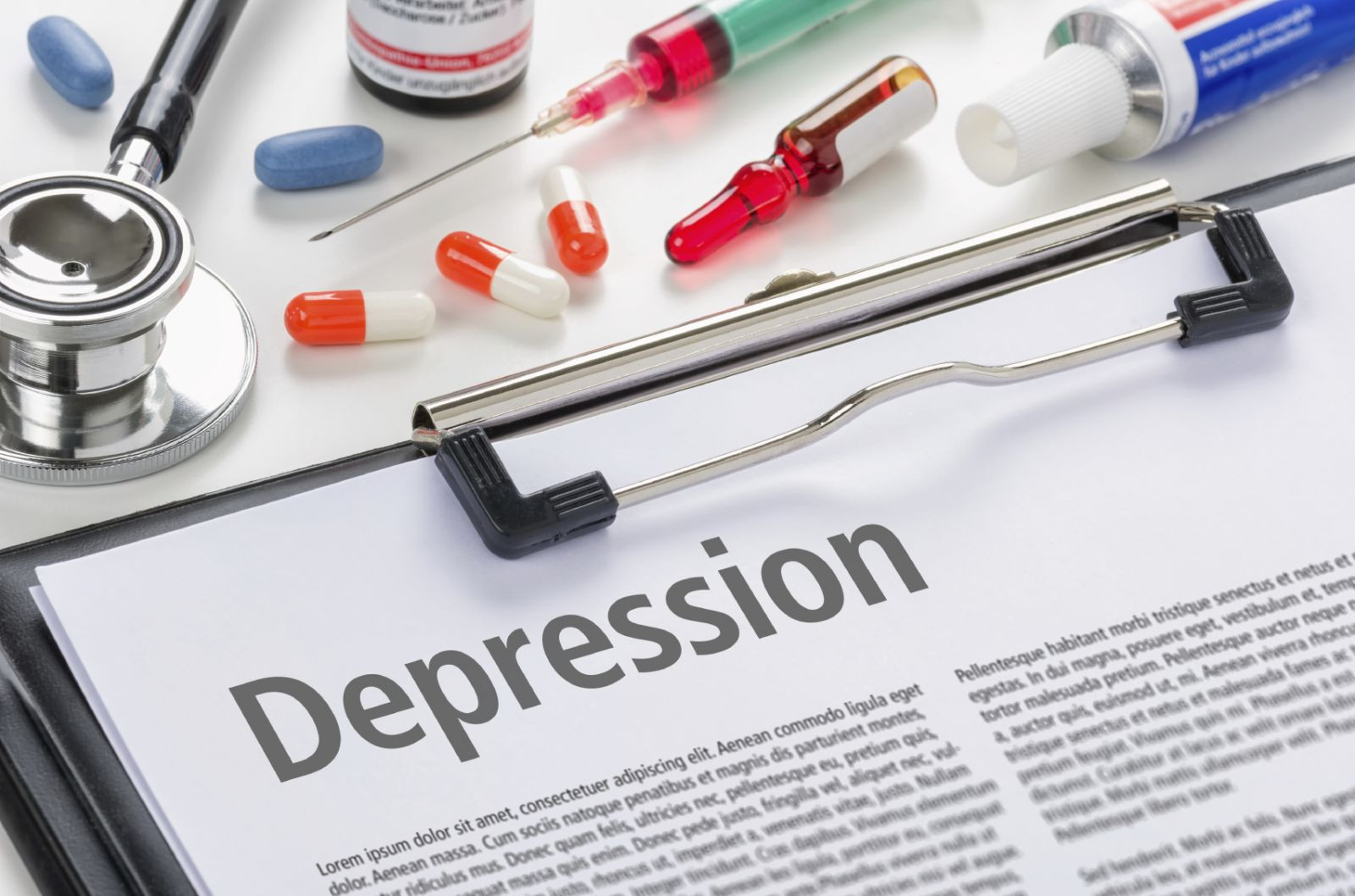
Confirming depression: When extra tests might help
Medical science is making good progress in unraveling the biological underpinnings of depression. Someday, these discoveries may lead to lab tests that can help identify or confirm depression and other mood disorders.
Right now, doctors and therapists rely on the symptoms reported by their patients, along with clinical expertise and experience, to diagnose depression and determine a course of treatment.
Sometimes, though, additional information can help distinguish depression from other problems. That's why your doctor might recommend any of the following tests:

10 questions to ask when choosing a therapist
Whether you get a recommendation for a therapist from your primary care doctor, a friend, or your insurance company, finding out about his or her background and training can help you feel comfortable with your choice. Here are some questions to ask before settling on a therapist:
- What's your training (i.e., what certification or degrees do you hold)?
- How long have you worked in this field?
- What kinds of treatment or therapy do you think might help me?
- What are the advantages and disadvantages of different approaches to treatment, including medications?
- How does the type of treatment you offer work?
- What are the chances that treatment will succeed?
- How soon should I start feeling better?
- How will we assess my progress?
- What should I do if I don't feel better?
- How much will treatment cost?
It's hard for a therapist to give precise answers to some of these questions, because no single therapist or type of treatment is best for everyone. But there are some general responses you should be looking for: The therapist should easily be able to describe his or her formal training and certification, for example. And while there's a tendency for mental health professionals to offer only the particular type of psychotherapy that they do best, it's a good sign if the person can describe the merits and drawbacks of different types of treatment, including ones he or she doesn't do.
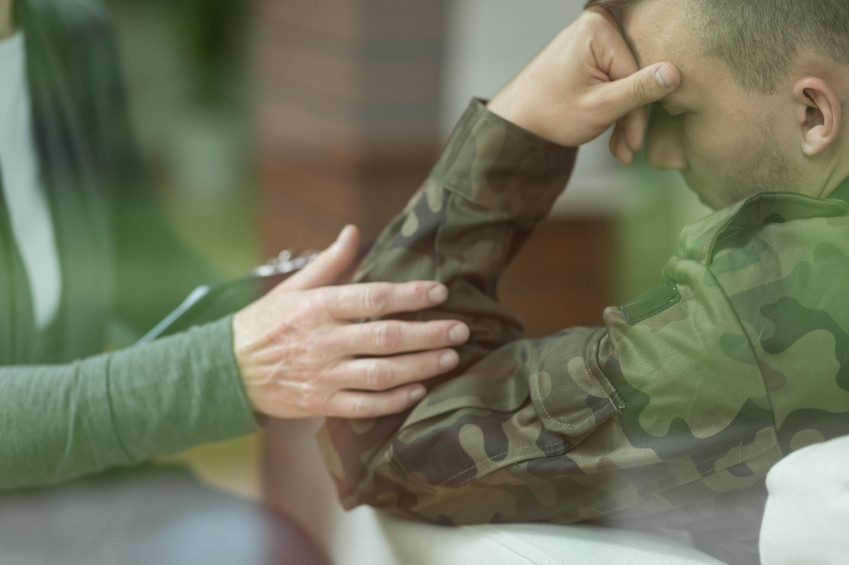
Compassionate veteran care: Embracing respect for the individual
The need to support injured soldiers dates back to our country’s earliest days. That mission remains essential today. Those who may be eligible for VA benefits and services — veterans and their family or survivors — make up a quarter of the United States’ population. Individuals seeking care through the Department of Veterans Affairs deserve a thoughtful and compassionate evaluation to not only compensate them for their service, but connect them with the care they need.

Miscarriage: Keep breaking the silence
Many public figures have begun speaking up about their experiences with miscarriage. While it’s wonderful that they’re breaking the silence, a recent survey has revealed that the general public still has a lot of misconceptions about this surprisingly common event. Dr. Hope Ricciotti shares her reactions to the survey results, and her advice to women experiencing miscarriage.


Hip bursitis vs. arthritis: How to tell the difference
Fitness for longevity: Which type matters most?
Ministrokes linked to elevated risk of dementia
Continuous glucose monitors benefit people who don't need insulin
CoQ10: Should you take this popular supplement if you're on a statin?
Microplastics: A hidden health threat?
Oat vs. dairy milk: Nutrition, benefits, and downsides
What is tempeh? Benefits, nutrition, and how to use it
Healing after food poisoning
Whole grains may improve several heart risk factors at once
Free Healthbeat Signup
Get the latest in health news delivered to your inbox!
Sign Up
