

Hip bursitis vs. arthritis: How to tell the difference

Fitness for longevity: Which type matters most?

Ministrokes linked to elevated risk of dementia

Continuous glucose monitors benefit people who don't need insulin

CoQ10: Should you take this popular supplement if you're on a statin?

Microplastics: A hidden health threat?

Oat vs. dairy milk: Nutrition, benefits, and downsides

What is tempeh? Benefits, nutrition, and how to use it

Healing after food poisoning

Whole grains may improve several heart risk factors at once
Mental Health Archive
Articles

Edible marijuana — a half-baked idea?
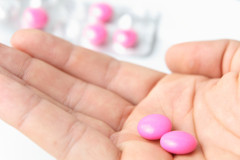
Marijuana-laced brownies have long been a way to get high. Now a new generation of “food companies” is taking the concept of edible marijuana in a somewhat scary new direction: marijuana-laced foods that mimic popular candies. These sweets could pose a danger to children, warns a Perspective article in today’s New England Journal of Medicine. From a marketing perspective, it’s a cute concept to sell Buddahfingers that look like Butterfingers, Rasta Reese’s that mimic Reese’s Peanut Butter Cups, or Pot Tarts that resemble Pop-Tarts. But the availability of edible marijuana products has led to an increase in emergency visits to hospitals because of kids accidentally eating edible marijuana products and in marijuana-related calls to poison and drug hotlines.

The problem with plaque: Even lesser amounts are still risky
Known as non-obstructive coronary artery disease, this condition can trigger heart attacks down the road.
You just had a cardiac stress test and you passed with flying colors. Does that mean you are free of heart attack risk? Not necessarily, says Dr. Ron Blankstein, assistant professor of medicine at Harvard Medical School and preventive cardiologist at Brigham and Women's Hospital.

Can deep, slow breathing lower blood pressure?
Long, slow breaths may help dampen nerve activity that governs your blood pressure. Image: Thinkstock |
A device called RESPeRATE may help, but questions remain.

Ask the doctor: What can I do for antidepressant "discontinuation symptoms"?
Image: Thinkstock |
Q. I took a low dose of the antidepressant desipramine for more than two years for chronic pain. Once I started physical therapy, my pain improved so much that I quickly tapered off the medication. I have been off of it for a month now, but am still experiencing "discontinuation symptoms." I can't sleep well and feel a little dizzy. What can I do for this?
A. It can be liberating to realize that you no longer need to take a medication. However, sometimes you can't just throw your pills away. There are many medications (both psychoactive and otherwise) that require you to taper off slowly when it's time to stop them. Stopping such a medication too quickly will cause what are called rebound side effects. Desipramine (Norpramin) is a tricyclic antidepressant, one of the drug categories that require a slow taper.
Best ways to manage stress
Image: Thinkstock |
Goal setting and relaxation techniques reduce stress and ease the physical and emotional burden
it can take.
Hip bursitis vs. arthritis: How to tell the difference
Fitness for longevity: Which type matters most?
Ministrokes linked to elevated risk of dementia
Continuous glucose monitors benefit people who don't need insulin
CoQ10: Should you take this popular supplement if you're on a statin?
Microplastics: A hidden health threat?
Oat vs. dairy milk: Nutrition, benefits, and downsides
What is tempeh? Benefits, nutrition, and how to use it
Healing after food poisoning
Whole grains may improve several heart risk factors at once
Free Healthbeat Signup
Get the latest in health news delivered to your inbox!
Sign Up
