

Hip bursitis vs. arthritis: How to tell the difference

Fitness for longevity: Which type matters most?

Ministrokes linked to elevated risk of dementia

Continuous glucose monitors benefit people who don't need insulin

CoQ10: Should you take this popular supplement if you're on a statin?

Microplastics: A hidden health threat?

Oat vs. dairy milk: Nutrition, benefits, and downsides

What is tempeh? Benefits, nutrition, and how to use it

Healing after food poisoning

Whole grains may improve several heart risk factors at once
Mental Health Archive
Articles

Hidden causes of weight gain
The reason for weight gain isn't always as obvious as inactivity or a poor diet. Weight gain can stem from many other causes. For example, it might reflect age-related physiological changes such as muscle loss, poor sleep, or changes in sex hormone levels; underlying conditions such as diabetes or sleep apnea; side effects from taking certain medications, such as antidepressants or beta blockers; or possibly the effects of eating late at night or the makeup of gut bacteria. Recent or excessive weight gain warrants a visit to a doctor to help pinpoint the issue.

For mellow movement that helps your heart, try tai chi
Tai chi is a gentle, adaptable practice that features flowing movements combined with breathing and cognitive focus. It may be especially helpful for people who are recovering from a heart attack or other medical problems or who have heart failure. Tai chi also can be a gateway to other types of physical activity because the practice may improve balance, reduce the risk of falls, and even help ease lower back pain—a common reason for avoiding exercise.

Testosterone therapy may be safe for men at risk for heart attack and stroke
A 2023 study suggests taking testosterone replacement therapy does not raise the risk for heart attacks or stroke among men with cardiovascular disease or a high risk for it, but it could increase the risk of atrial fibrillation, acute kidney injury, and pulmonary embolism.
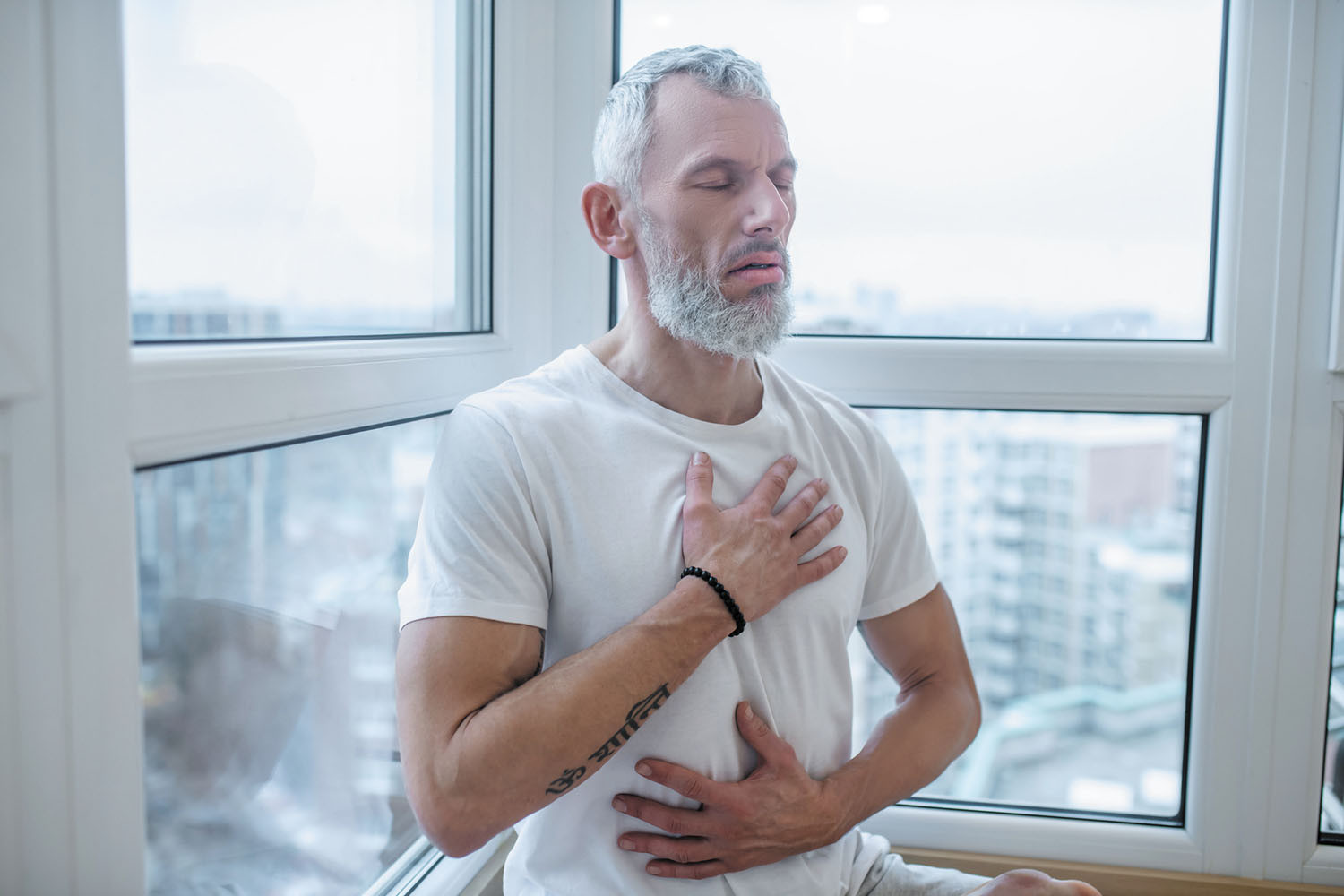
Try this: Take a tactical breather
Tactical breathing used by military and law enforcement personnel can help people manage anxiety and stay mentally sharp during stressful situations. It can also help calm a racing mind or soothe pain.

Lending a helping hand
People who devote time to helping others are often happier than those who don't. Serving others also helps brain health by increasing social connections, which can protect against loneliness and depression, and improving executive function skills like planning, attention, and remembering tasks. Common ways to help others include volunteering, mentoring, random acts of kindness, and seeing life from another person's perspective.

Grief can raise blood pressure
A 2023 study suggests that extreme grief after losing a loved one can raise people's systolic blood pressure, posing cardiovascular risks.

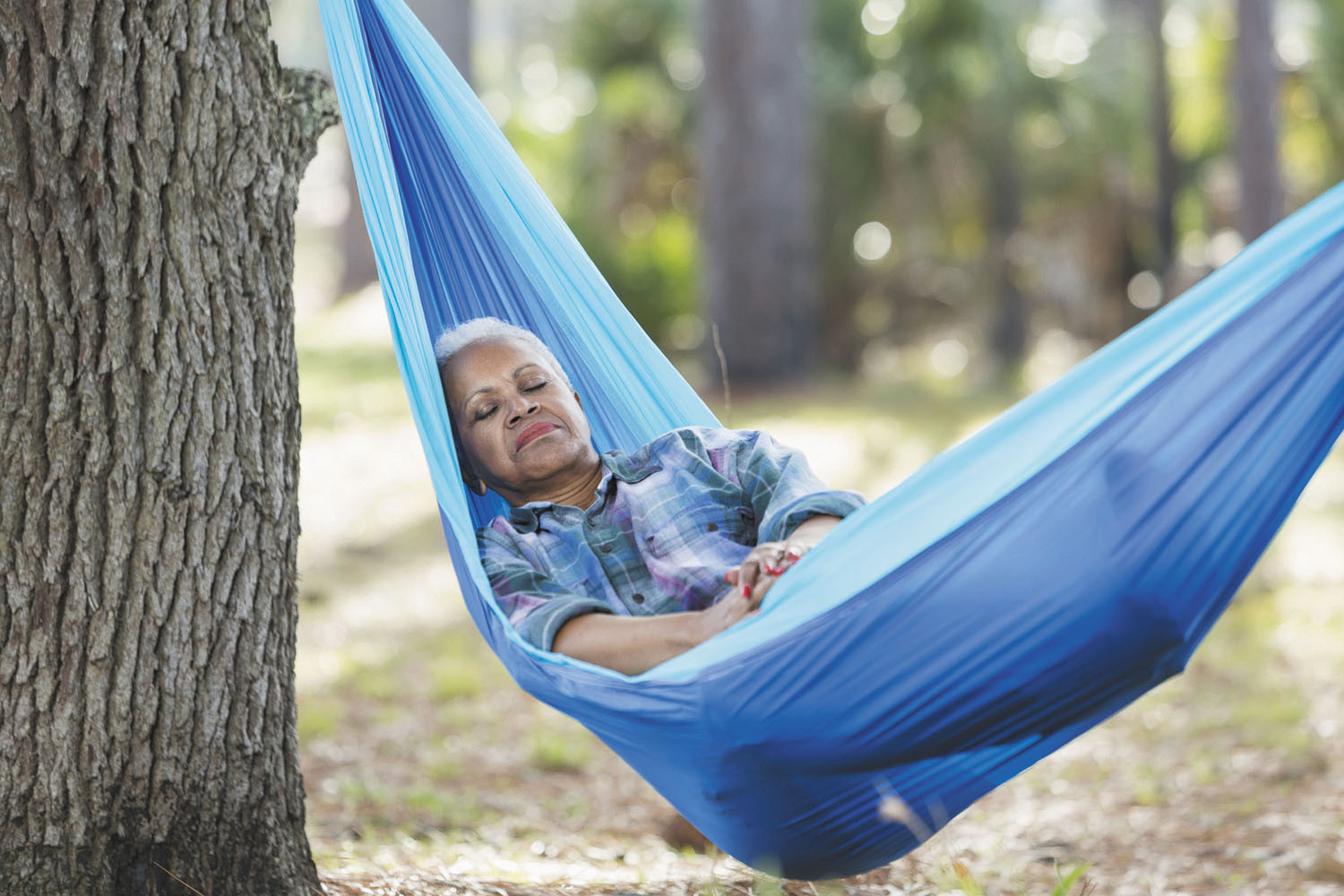
Is your daily nap doing more harm than good?
Naps can be healthy for adults who need to catch up on sleep or work odd hours, but they can also make it more difficult to sleep at night and be a sign of a sleep disorder. Naps should be short and limited to the early afternoon to prevent them from interfering with nighttime sleep. People who have the urge to nap daily should consider whether they need to improve their nighttime sleep habits.

Can you feel younger than your age?
Research has found that people with more positive attitudes about growing old tend to live longer than those with negative thoughts about aging. They also have a lower risk for diabetes, stroke, cancer, and heart disease and better cognitive functioning. People can maintain a healthy mindset about aging by adopting certain lifestyle habits, such as reducing anxiety, finding purpose in life, seeking challenges, socializing more, and rejecting negative stereotypes about aging.

3 group housing trends for the 60 and older set
Three group housing trends can help ward off loneliness and isolation in older age. One trend is specialized communities, which are private mini-neighborhoods that promote shared activities, involvement with neighbors, and sometimes shared goals (such as providing stable lives for foster children). The communities are run by the people who live there or by nonprofit organizations. Another trend is home sharing—taking on a boarder or sharing a home with friends. A third trend is residential care homes, which are small assisted living facilities in private homes licensed by the state.
Hip bursitis vs. arthritis: How to tell the difference
Fitness for longevity: Which type matters most?
Ministrokes linked to elevated risk of dementia
Continuous glucose monitors benefit people who don't need insulin
CoQ10: Should you take this popular supplement if you're on a statin?
Microplastics: A hidden health threat?
Oat vs. dairy milk: Nutrition, benefits, and downsides
What is tempeh? Benefits, nutrition, and how to use it
Healing after food poisoning
Whole grains may improve several heart risk factors at once
Free Healthbeat Signup
Get the latest in health news delivered to your inbox!
Sign Up
