

Hip bursitis vs. arthritis: How to tell the difference

Fitness for longevity: Which type matters most?

Ministrokes linked to elevated risk of dementia

Continuous glucose monitors benefit people who don't need insulin

CoQ10: Should you take this popular supplement if you're on a statin?

Microplastics: A hidden health threat?

Oat vs. dairy milk: Nutrition, benefits, and downsides

What is tempeh? Benefits, nutrition, and how to use it

Healing after food poisoning

Whole grains may improve several heart risk factors at once
Mental Health Archive
Articles

Silent suffering
Survivor's guilt includes strong, persistent feelings of sadness and remorse. Advances in cancer treatment have led to an unprecedented 18 million Americans who are cancer survivors, making survivor's guilt a possible psychological outcome for greater numbers. Survivor's guilt may be more common among people who have survived cancers with high death rates. Strategies to cope include taking time to grieve, seeking support from fellow survivors, and getting counseling to explore underlying contributors to feelings of guilt.

Why is my heart rate high?
Many factors can increase heart rate from the normal pace of 60 to 100 beats per minute. Lifestyle choices and certain medications can raise heart rate, as can serious conditions. When an elevated heart rate is joined by urgent symptoms, seek immediate care.

Sowing the seeds of better health
About one in three Americans engages in gardening, and the activity became even more popular during the COVID pandemic. Research suggests gardening provides many physical and mental health benefits. It can boost movement, improve diet, fight illness, smooth mood, sharpen brain function, and strengthen social bonds. Gardeners should wear a hat and apply sunscreen to protect against sun exposure. They should also wear gloves to create a barrier against skin allergens on plants and bacteria or fungi in potting soil mixes.
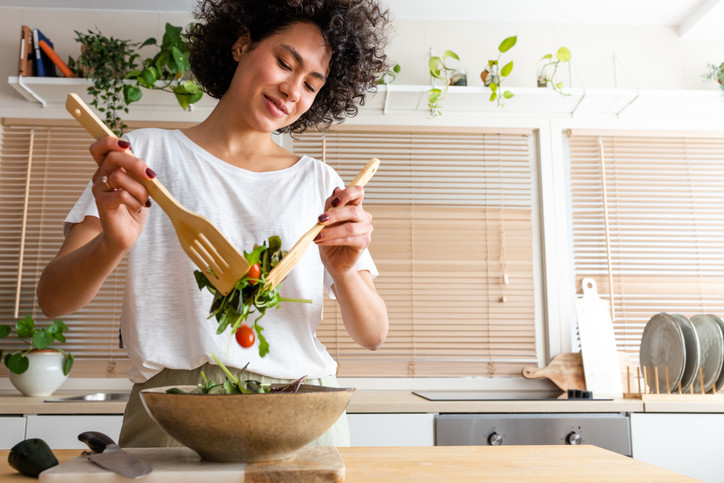
Managing stress and eating leafy vegetables may protect the brain
Two studies found that managing stress and eating a plant-based diet with at least seven servings of leafy green vegetables per week can help improve cognitive function and protect against Alzheimer's disease, respectively.

Cutting and self-harm: Why it happens and what to do
What drives forms of self-harm like cutting that some teens engage in? Gaining an understanding of why some children harm themselves by cutting their skin, what signs to be aware of, and how to approach the subject can help parents respond if this occurs.

Discrimination at work is linked to high blood pressure
A new study finds that experiencing discrimination in the workplace—where many adults spend one-third of their time, on average—may be harmful to heart health.


Supplements for three common conditions
If someone is unable to tolerate medications for high blood pressure, high cholesterol, or anxiety, supplements may be an option. Evidence shows that certain supplements may be effective for these conditions, if taken properly under the supervision of your doctor. But to ensure you are buying products that are both safe and effective, look for a quality seal on the label.

Gardening may bring a harvest of health benefits
A 2023 study involving 300 people suggested that people who kept a garden for one year ate about two more grams of fiber per day, had less stress and anxiety, and did more moderate-to-vigorous exercise per day than people who didn't do any gardening.

Yoga: A flexible way to enhance heart health
Yoga has modest yet positive effects on several factors linked to cardiovascular health, including lower blood pressure and lower levels of harmful LDL cholesterol. The postures, breathing, and meditation practices inherent in yoga help cultivate the relaxation response, which trains the body to be less reactive during times of stress. People new to yoga should seek out a beginner, gentle, or chair yoga class, especially those who are over 65 or who have any medical conditions.
Hip bursitis vs. arthritis: How to tell the difference
Fitness for longevity: Which type matters most?
Ministrokes linked to elevated risk of dementia
Continuous glucose monitors benefit people who don't need insulin
CoQ10: Should you take this popular supplement if you're on a statin?
Microplastics: A hidden health threat?
Oat vs. dairy milk: Nutrition, benefits, and downsides
What is tempeh? Benefits, nutrition, and how to use it
Healing after food poisoning
Whole grains may improve several heart risk factors at once
Free Healthbeat Signup
Get the latest in health news delivered to your inbox!
Sign Up
