

Hip bursitis vs. arthritis: How to tell the difference

Fitness for longevity: Which type matters most?

Ministrokes linked to elevated risk of dementia

Continuous glucose monitors benefit people who don't need insulin

CoQ10: Should you take this popular supplement if you're on a statin?

Microplastics: A hidden health threat?

Oat vs. dairy milk: Nutrition, benefits, and downsides

What is tempeh? Benefits, nutrition, and how to use it

Healing after food poisoning

Whole grains may improve several heart risk factors at once
Mental Health Archive
Articles

Should you hire a medical wingman?
When navigating the health care system becomes challenging, a number of professionals can help. Some, such as home care aides or certified nursing assistants, can assist with errands such as getting to the doctor and picking up medications. Others, such as Aging Life Care Professionals or patient advocates, can develop and run a person's overall care plan, negotiate with insurance companies, arrange to pay medical bills, research treatment options, hire and manage home care helpers, and more.
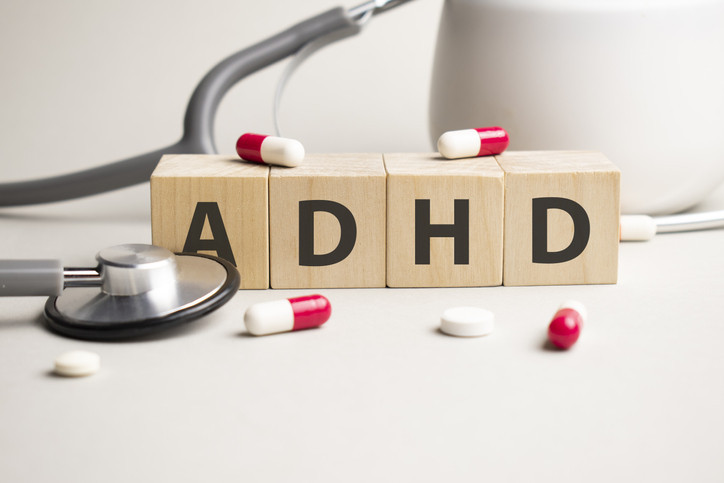
Attention deficit disorder linked to higher heart disease risk
People with attention-deficit hyperactivity disorder, a condition marked by trouble focusing and impulsive behavior, may be more likely to have cardiovascular disease that people without the disorder.

What is an annual wellness visit?
The routine yearly medical check-up is now more often referred to as the annual wellness visit, which allows people to formulate detailed health goals with their doctor and design plans to meet them, as well as assess the possibility of life-changing events, like heart attack, stroke, and cancer.

Cold-weather cautions
Wintertime can pose challenges to cardiovascular health. Cold temperatures can cause arteries to narrow, which can leave people with heart disease vulnerable to angina or heart attacks, especially during physical exertion. Changes in sleep, eating, and exercise habits related to the season may also affect the heart. Crowded indoor gatherings also raise a person's risk for respiratory infections, which can exacerbate heart disease.

The heartfelt benefits of pet ownership
Having a dog or another pet appears to lower the risk of high blood pressure and improve blood pressure control. Pet ownership may foster positive feelings (such as decreased stress) and habits (such as daily walks) that may improve heart health. People who own dogs walk about 20 minutes more per day on average than those without dogs. Pets can help combat loneliness and social isolation, which have been linked to a higher risk of heart attack, stroke, or death from these causes.

New guidelines on opioids for pain relief: What you need to know
The CDC's 2016 guidelines for prescribing opioid medications aimed to reduce deaths from overdose. Recent revisions to these guidelines aim for refinement while emphasizing safety and the importance of finding the best treatment solution for each person.

Beyond momentary calm
Mindfulness is the act of paying attention and focusing on the moment. Research has long shown mindfulness can help lower anxiety, but new studies suggest additional benefits. These include feeling less pain, making fewer mistakes, and being more resilient. Many people confuse meditation with mindfulness. Although there is some overlap, meditation is a practice that leads to being more mindful. Both meditation and mindfulness aim to help people stay present and nonjudgmental.

A life-changing detour
Each year, millions of couples face one partner's serious diagnosis with a condition such as cancer, heart or kidney failure, or neurological illness, among others. People can support their partners through a difficult diagnosis and treatment by keeping communication open, maintaining daily routines, becoming informed about the medical condition, attending doctor visits, adding assistive devices in their home, getting wills and other legal documents in order, and seeking and accepting help from others.
Cutting back on ultra-processed foods linked with lower dementia risk
People who ate large amounts of ultra-processed foods had a greater risk of later developing dementia compared with people who ate little of these foods, according to a 2022 study. Researchers estimated that switching out even 10% of ultra-processed foods for healthier options might lower one's risk.

Taking it slow
While an active life is a healthier one, there are times when people can benefit from embracing a slower pace, an approach commonly known as "slow living." Slow living isn't about doing less, but doing more with greater focus and purpose and at the right speed. The approach can help people lower stress, increase concentration and memory, and become more engaged in activities they enjoy.
Hip bursitis vs. arthritis: How to tell the difference
Fitness for longevity: Which type matters most?
Ministrokes linked to elevated risk of dementia
Continuous glucose monitors benefit people who don't need insulin
CoQ10: Should you take this popular supplement if you're on a statin?
Microplastics: A hidden health threat?
Oat vs. dairy milk: Nutrition, benefits, and downsides
What is tempeh? Benefits, nutrition, and how to use it
Healing after food poisoning
Whole grains may improve several heart risk factors at once
Free Healthbeat Signup
Get the latest in health news delivered to your inbox!
Sign Up
