

Hip bursitis vs. arthritis: How to tell the difference

Fitness for longevity: Which type matters most?

Ministrokes linked to elevated risk of dementia

Continuous glucose monitors benefit people who don't need insulin

CoQ10: Should you take this popular supplement if you're on a statin?

Microplastics: A hidden health threat?

Oat vs. dairy milk: Nutrition, benefits, and downsides

What is tempeh? Benefits, nutrition, and how to use it

Healing after food poisoning

Whole grains may improve several heart risk factors at once
Mental Health Archive
Articles

Choosing joy during difficult times
As this year’s challenges and stressors have piled up, many people have found it increasingly difficult to find any joy in their lives. A good portion of our happiness is related to our own attitudes and actions, and the actions of others can show us how to find contentment, happiness — even joy— in the most difficult of times.

How to give yourself — and others — a break

Gender fluidity: What it means and why support matters
Gender fluidity refers to changes over time in gender identity and gender expression. For many people, gender identity and expression develop early and stay the same; for others, one or both may change. Understanding and supporting young people exploring gender is important to their emotional and physical well-being.

Anticholinergic drugs linked with greater cognitive risk
In the journals
Many commonly used drugs have anticholinergic effects, meaning the drugs block the action of acetylcholine. Nerve cells release acetylcholine to transmit impulses to other nerves in the brain and throughout the body. Previous research has shown a link between these drugs and dementia. Now a study has found a similar link with mild cognitive impairment (MCI), especially if you take larger doses. The findings were published online Sept. 2, 2020, by Neurology.
Some medications are designed purposefully to block acetylcholine, such as those used for urinary incontinence. But more often the anticholinergic action is a side effect of drugs taken to treat conditions like allergies, colds, and depression.

Obesity is still on the rise among American adults
Research we're watching
American adults are gaining weight, according to data from the CDC. Twelve U.S. states now have obesity rates of 35% or higher, compared with just six states in 2017 and nine states in 2018. Experts say the trend is particularly concerning because adults with obesity are more prone to severe outcomes from COVID-19.
According to the CDC report, racial and ethnic minority groups are disproportionately affected by obesity. Prevalence rates nationwide were

Dementia declining in the United States
Research we're watching
According to a study published in the Aug. 4, 2020, issue of Neurology, the number of new cases of dementia in Europe and North America has dropped 13% every 10 years over the past 30 years. Researchers looked at data collected by the Alzheimer's Research Consortium, which included people over age 65 in Europe and the United States.
The actual number of adults with dementia has increased dramatically in recent years as life expectancy increases. The condition currently affects some 47 million people worldwide, and that number is expected to increase in coming decades.

Blood pressure medications may affect your mood
Contrary to conventional wisdom, some blood pressure drugs are linked to a lower risk of depression.
Like all medications, blood pressure drugs sometimes cause unwanted side effects. While many are mild and short-lived, some are more worrisome, including mood changes such as depression. But contrary to what doctors have long assumed, blood pressure drugs may not raise the risk of depression. In fact, some appear to be linked to a lower risk, according to a recent study (see "Depression rates in people taking different blood pressure drugs").
"The traditional view has been that blood pressure drugs that cross the blood-brain barrier are more likely to cause depression," says Dr. Randall -Zusman, a cardiologist at Harvard-affiliated Massachusetts General Hospital. Depression has also been associated with drugs known as beta blockers. But beta blockers (which work in part by slowing the heart rate) can also make you feel tired and listless, which may dampen your mood, Dr. Zusman explains.

COVID pandemic got you down?
The pandemic has made it especially hard for people with persistent depressive disorder.
Almost everyone goes through rough mental patches. You may feel down, sad, and lethargic. Most people bounce back with no problem, but if these feelings become more frequent and linger longer, you could have a mild, yet still serious form of depression called persistent depressive disorder (PDD), also known as dysthymia.
Older adults are especially vulnerable to PDD, and more so during the COVID-19 pandemic, says Dr. David Mischoulon, a psychiatrist at Harvard-affiliated Massachusetts General Hospital. "While the COVID pandemic affects everyone, older adults have experienced increased stressors like economic issues, prolonged isolation, and the threat of getting sick, all of which can trigger feelings of anxiety and depression beyond the norm."
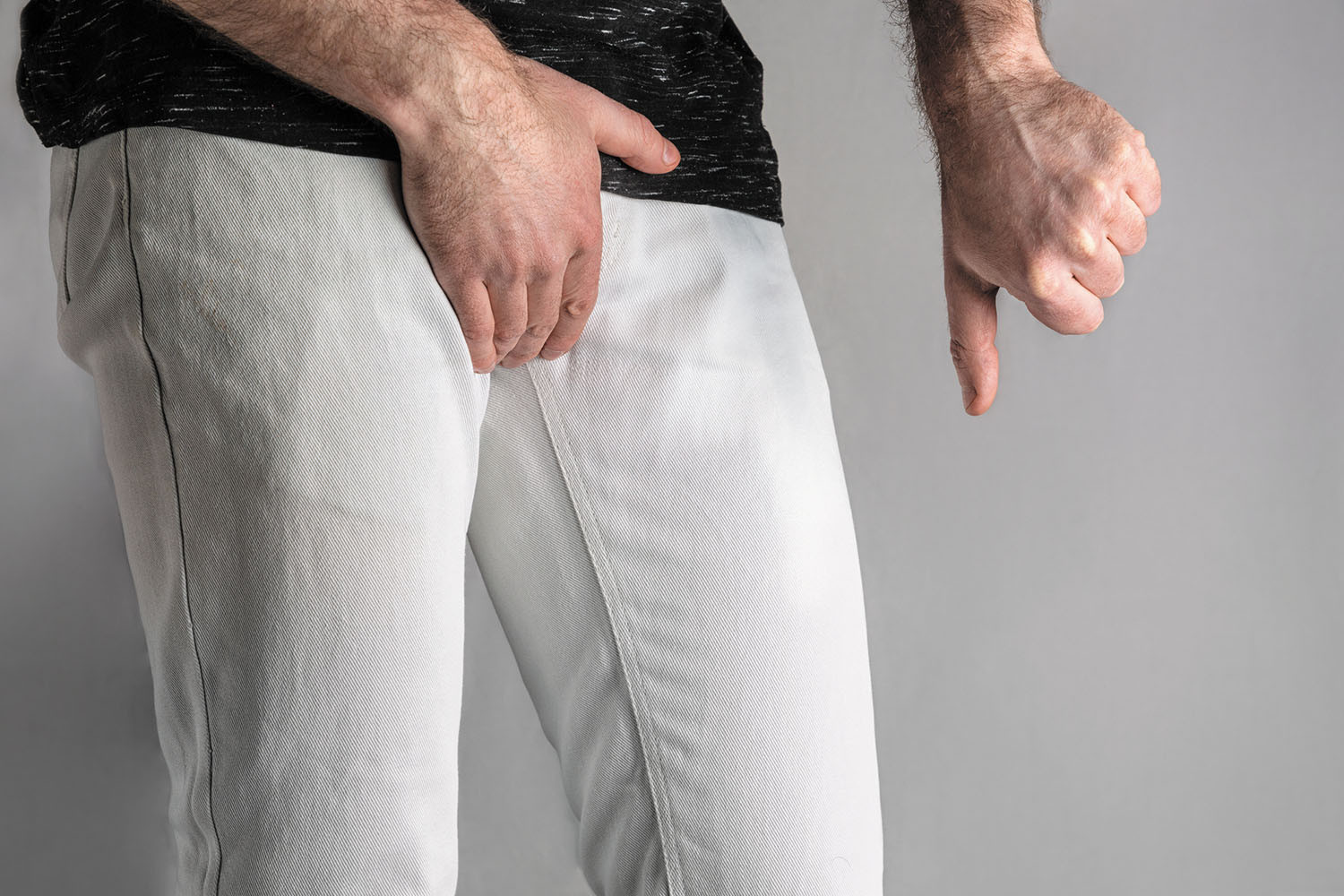
Unlocking the mystery of chronic pelvic pain syndrome
The condition is an all-too-real problem for men, and one of the more difficult to treat.
After age 50, men often have periods of discomfort "down there." It could be a cramping, aching, or throbbing pain in and around your pelvis and genitals. You also may have issues in the bedroom and bathroom. While the problems are real, the cause is often difficult to pinpoint.
It's called chronic pelvic pain syndrome (CPPS) — also known as chronic prostatitis — and it's one of the most puzzling and difficult-to-manage conditions for older men.

How to avoid a relapse when things seem out of control
This year has been extremely stressful for everyone, and that stress can lead to harmful habits. For those working to stay in recovery from an addiction, the challenge is even more profound. Those in this situation know that the more stressful things are, the more important it is to practice the healthy habits that sustain recovery.
Hip bursitis vs. arthritis: How to tell the difference
Fitness for longevity: Which type matters most?
Ministrokes linked to elevated risk of dementia
Continuous glucose monitors benefit people who don't need insulin
CoQ10: Should you take this popular supplement if you're on a statin?
Microplastics: A hidden health threat?
Oat vs. dairy milk: Nutrition, benefits, and downsides
What is tempeh? Benefits, nutrition, and how to use it
Healing after food poisoning
Whole grains may improve several heart risk factors at once
Free Healthbeat Signup
Get the latest in health news delivered to your inbox!
Sign Up
