

Hip bursitis vs. arthritis: How to tell the difference

Fitness for longevity: Which type matters most?

Ministrokes linked to elevated risk of dementia

Continuous glucose monitors benefit people who don't need insulin

CoQ10: Should you take this popular supplement if you're on a statin?

Microplastics: A hidden health threat?

Oat vs. dairy milk: Nutrition, benefits, and downsides

What is tempeh? Benefits, nutrition, and how to use it

Healing after food poisoning

Whole grains may improve several heart risk factors at once
Mental Health Archive
Articles

Sleep apnea linked to mental health conditions in middle and older age
Obstructive sleep apnea (OSA), marked by breathing pauses during sleep, is linked to high blood pressure, heart disease, stroke, and diabetes. A 2025 study found that people at high risk for OSA also had about 40% higher odds of depression and other mental health conditions.


What is EMDR therapy, and who can it help?
Eye movement desensitization and reprocessing (EMDR) therapy is recognized as a proven method for treating post-traumatic stress disorder. It also shows promise for other mental health conditions, including personality disorders, anxiety, and depression.

A small amount of weekly exercise may reduce depression symptoms in people with chronic illness
A 2025 analysis found that people with chronic illnesses, who are highly susceptible to depression and whose conditions often make activity difficult, may need a relatively small amount of weekly exercise to ease depression.

What to know about heart palpitations
Heart palpitations are sensations of a pounding or racing heartbeat, often triggered by stress, stimulants, or hormonal changes. They're usually harmless but should be checked by a doctor. Palpitations may improve with lifestyle changes or treatment for underlying conditions.
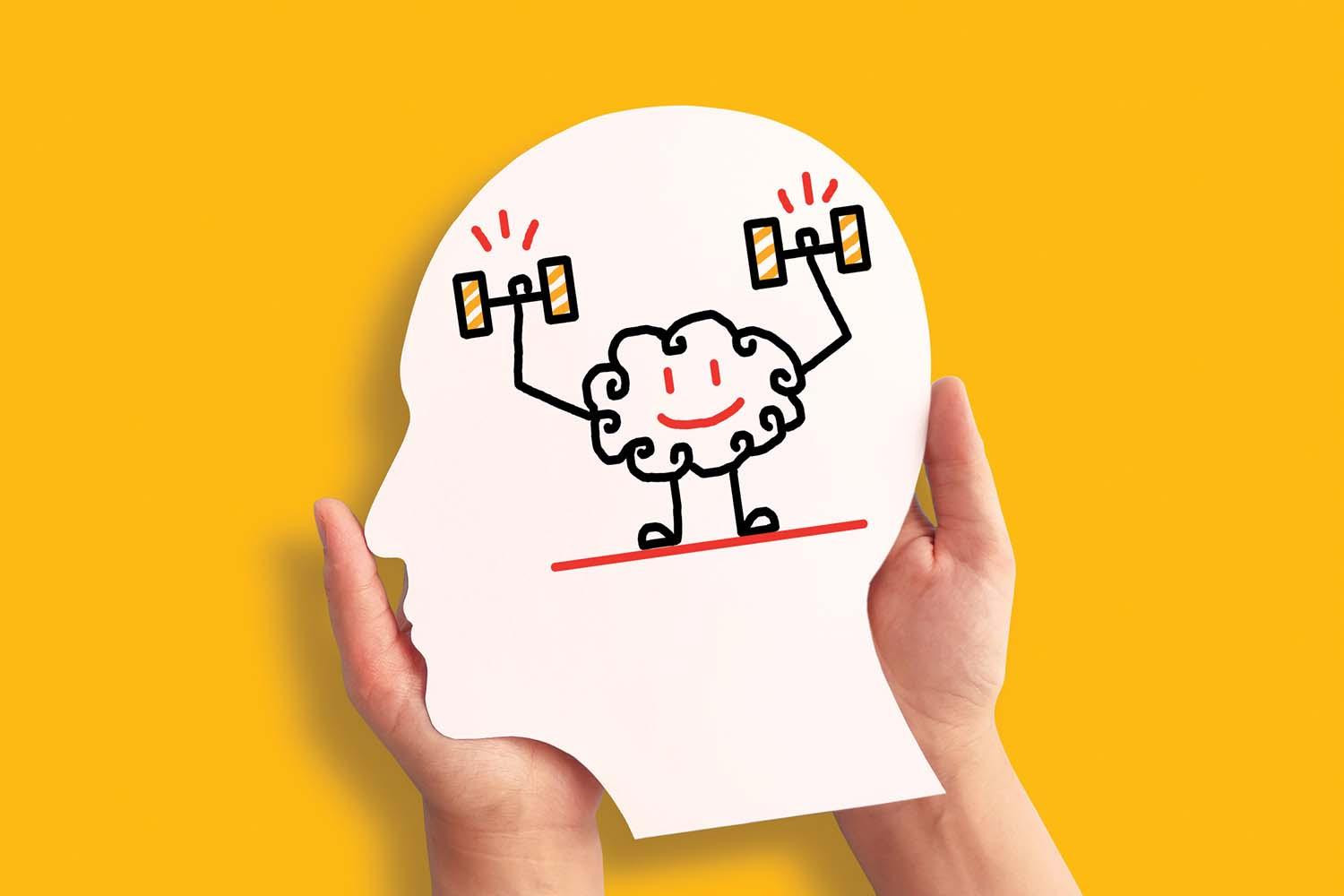
Boost your cognitive fitness in the new year
The new year is a good time to focus on cognitive fitness. Exercise, healthy eating, mental challenges, good sleep, controlling stress, and social engagement support neuroplasticity and help keep thinking and memory sharp.

Yes, you can overcome malaise!
Malaise is a feeling of weakness, fatigue, or being generally unwell. Addressing underlying causes and making healthy lifestyle changes - such as exercising regularly, eating a healthy diet, and getting enough sleep - can help people with malaise feel better.

Tips to cultivate your joyspan
Joyspan is a term coined by gerontologist Kerry Burnright that refers to the satisfaction and well-being people experience as they move through life. Joy is associated with health benefits such as better immune function, resilience, and longevity.
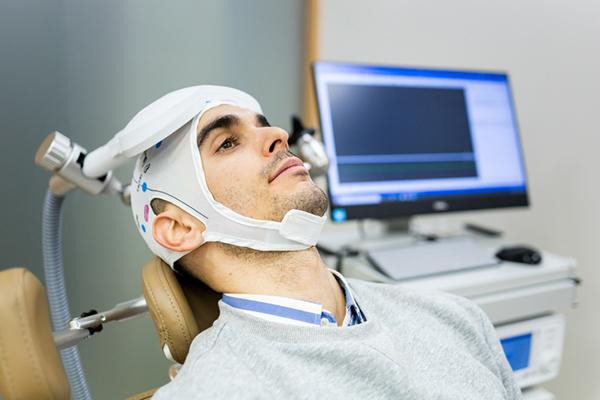
TMS treatment may succeed when depression drugs fail
Transcranial magnetic stimulation (TMS) uses magnetic pulses to repeatedly activate areas of the brain involved in mood regulation. Updated protocols hold the promise of rapid relief from major depression.

Psychological distress common in heart attack survivors
Up to half of heart attack survivors experience some form of psychological distress after the event, including depression, anxiety, or stress, according to a 2025 statement from the American Heart Association.
Hip bursitis vs. arthritis: How to tell the difference
Fitness for longevity: Which type matters most?
Ministrokes linked to elevated risk of dementia
Continuous glucose monitors benefit people who don't need insulin
CoQ10: Should you take this popular supplement if you're on a statin?
Microplastics: A hidden health threat?
Oat vs. dairy milk: Nutrition, benefits, and downsides
What is tempeh? Benefits, nutrition, and how to use it
Healing after food poisoning
Whole grains may improve several heart risk factors at once
Free Healthbeat Signup
Get the latest in health news delivered to your inbox!
Sign Up
