

Hip bursitis vs. arthritis: How to tell the difference

Fitness for longevity: Which type matters most?

Ministrokes linked to elevated risk of dementia

Continuous glucose monitors benefit people who don't need insulin

CoQ10: Should you take this popular supplement if you're on a statin?

Microplastics: A hidden health threat?

Oat vs. dairy milk: Nutrition, benefits, and downsides

What is tempeh? Benefits, nutrition, and how to use it

Healing after food poisoning

Whole grains may improve several heart risk factors at once
Mental Health Archive
Articles

Feeling young could signal a younger brain
In the journals
People who feel younger than their actual age also may have brains that age more slowly, suggests a small study published online June 7, 2018, by Frontiers in Aging Neuroscience.
Scientists took brain scans of 68 healthy older adults, ages 59 to 84, to measure the volume of gray matter in various regions. The participants then answered surveys to determine if they felt older or younger than their age and to measure their cognitive abilities and perceptions of overall health.

Depression and illness: Chicken or egg?
| Image: iStock |
When depression strikes, doctors usually probe what's going on in the mind and brain first. But it's also important to check what's going on in the body, since certain medical problems are linked to mood disturbances. In fact, medical illnesses — and medication side effects — may be behind nearly 10% to 15% of all cases of depression.
It's not uncommon for a physical illness to trigger depression. Up to half of heart attack survivors and those with cancer report feeling blue, and many are diagnosed with depression. Many people who have diabetes, Parkinson's, or other chronic conditions become depressed.
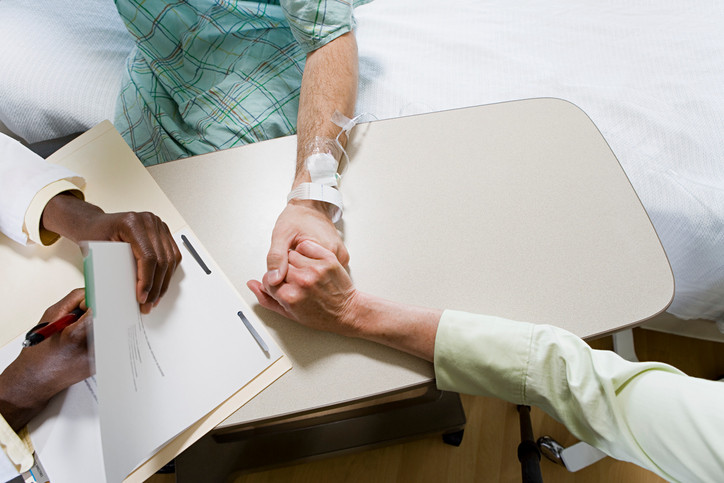
Leaving time for last words
When a person needs to be intubated to help them breathe, they are unable to speak, and if something happens it’s possible for someone to die without a chance to have a final conversation with their loved ones. But it’s possible for doctors to adjust intubation protocol to allow for such a conversation.


School refusal: When a child won’t go to school
The adjustment from summer vacation back to the structure and demands of the school year affects many students, but some experience so much anxiety that they avoid going to school. Understanding the reasons for school refusal can help parents identify problems and act quickly.

Writing as an antidote to loneliness
Because social connections are vital to human development and health, and writing is a way to form or strengthen a sense of connection to others, the creative expression of writing has been found to improve health and boost healthy emotions.

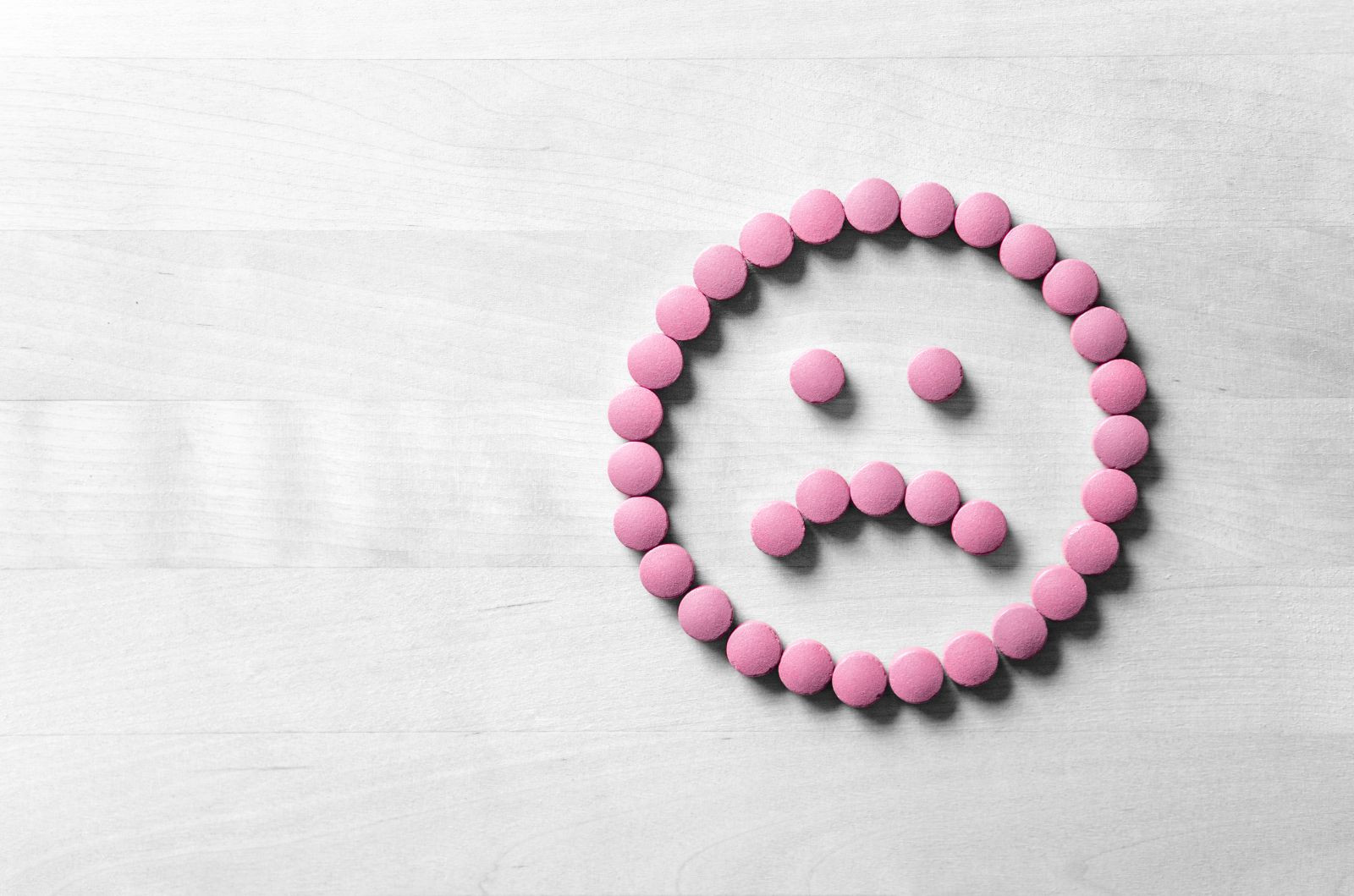
Depression risks in the medicine cabinet
News briefs
Are you taking a medication that has depression or suicidal thinking as a potential side effect? One or both risks have been linked to use of more than 200 prescription and over-the-counter pills, including medicines that treat high blood pressure, heartburn, pain, and headaches. The more of these drugs you use, the higher the likelihood that you'll experience depression, suggests a study published June 12, 2018, in The Journal of the American Medical Association. Working with five surveys conducted over a nine-year period, researchers evaluated health information from 26,192 adults. About 37% of them reported taking such medications. Of individuals taking three or more of the medications with depression as a possible side effect, about 15% reported depression, compared with about 5% in people not using those medications. Even for people already taking an antidepressant, the addition of one or more of the identified medicines was linked to higher rates of depression. This study was based on surveys, so it didn't prove that the medications caused the reported depression. Nonetheless, if you think you're depressed (and have symptoms such as apathy, hopelessness, changes in sleep or eating habits, and persistent fatigue), ask your doctor if any of the medicines you are taking may be responsible.
Image: © Tero Vesalainen | GettyImages

Midlife fitness may stave off depression and heart disease
Research we're watching
Image: © Juanmonino/Getty Images
Depression and heart disease often overlap. As many as one in five people with heart disease has depression. This common mood disorder is also linked to a higher risk of dying of heart disease.
Now, new research lends further support for the protective role of exercise for both conditions. The study, published online June 27 by JAMA Psychiatry, included nearly 18,000 people (mostly male) and used records dating back to the early 1970s. Researchers found that people who were fit during middle age were 16% less likely to develop depression after age 65.

Your health through the decades
These strategies keep you healthy and safe through your 60s, 70, and 80s.
Image: © kali9/Getty Images
After age 60, men tend to get thrown together — the so-called 60-and-older group — even though most are quite different in terms of their health.
"While many men are still very fit well into their 60s, 70s, and 80s, others face health challenges and chronic diseases that make daily living difficult," says Dr. Howard LeWine, assistant professor of medicine at Harvard Medical School.
Hip bursitis vs. arthritis: How to tell the difference
Fitness for longevity: Which type matters most?
Ministrokes linked to elevated risk of dementia
Continuous glucose monitors benefit people who don't need insulin
CoQ10: Should you take this popular supplement if you're on a statin?
Microplastics: A hidden health threat?
Oat vs. dairy milk: Nutrition, benefits, and downsides
What is tempeh? Benefits, nutrition, and how to use it
Healing after food poisoning
Whole grains may improve several heart risk factors at once
Free Healthbeat Signup
Get the latest in health news delivered to your inbox!
Sign Up
