

Hip bursitis vs. arthritis: How to tell the difference

Fitness for longevity: Which type matters most?

Ministrokes linked to elevated risk of dementia

Continuous glucose monitors benefit people who don't need insulin

CoQ10: Should you take this popular supplement if you're on a statin?

Microplastics: A hidden health threat?

Oat vs. dairy milk: Nutrition, benefits, and downsides

What is tempeh? Benefits, nutrition, and how to use it

Healing after food poisoning

Whole grains may improve several heart risk factors at once
Mental Health Archive
Articles

Anxiety and physical illness
Understanding and treating anxiety can often improve the outcome of chronic disease, such as GI tract problems and heart disease.
With headlines warning us of international terrorism, global warming, and economic uncertainty, we're all likely to be a little more anxious these days. As an everyday emotion, anxiety — the "fight or flight" response — can be a good thing, prompting us to take extra precautions. But when anxiety persists in the absence of a need to fight or flee, it can not only interfere with our daily lives but also undermine our physical health. Evidence suggests that people with anxiety disorders are at greater risk for developing a number of chronic medical conditions. They may also have more severe symptoms and a greater risk of death when they become ill.
The anatomy of anxiety
Anxiety is a reaction to stress that has both psychological and physical features. The feeling is thought to arise in the amygdala, a brain region that governs many intense emotional responses. As neurotransmitters carry the impulse to the sympathetic nervous system, heart and breathing rates increase, muscles tense, and blood flow is diverted from the abdominal organs to the brain. In the short term, anxiety prepares us to confront a crisis by putting the body on alert. But its physical effects can be counterproductive, causing light-headedness, nausea, diarrhea, and frequent urination. And when it persists, anxiety can take a toll on our mental and physical health.

Should you carry the opioid overdose rescue drug naloxone?
The Surgeon General has issued an advisory recommending that people carry and know how to use naloxone, and although it is an effective treatment for overdose, it does not address the larger issues around the opioid crisis.
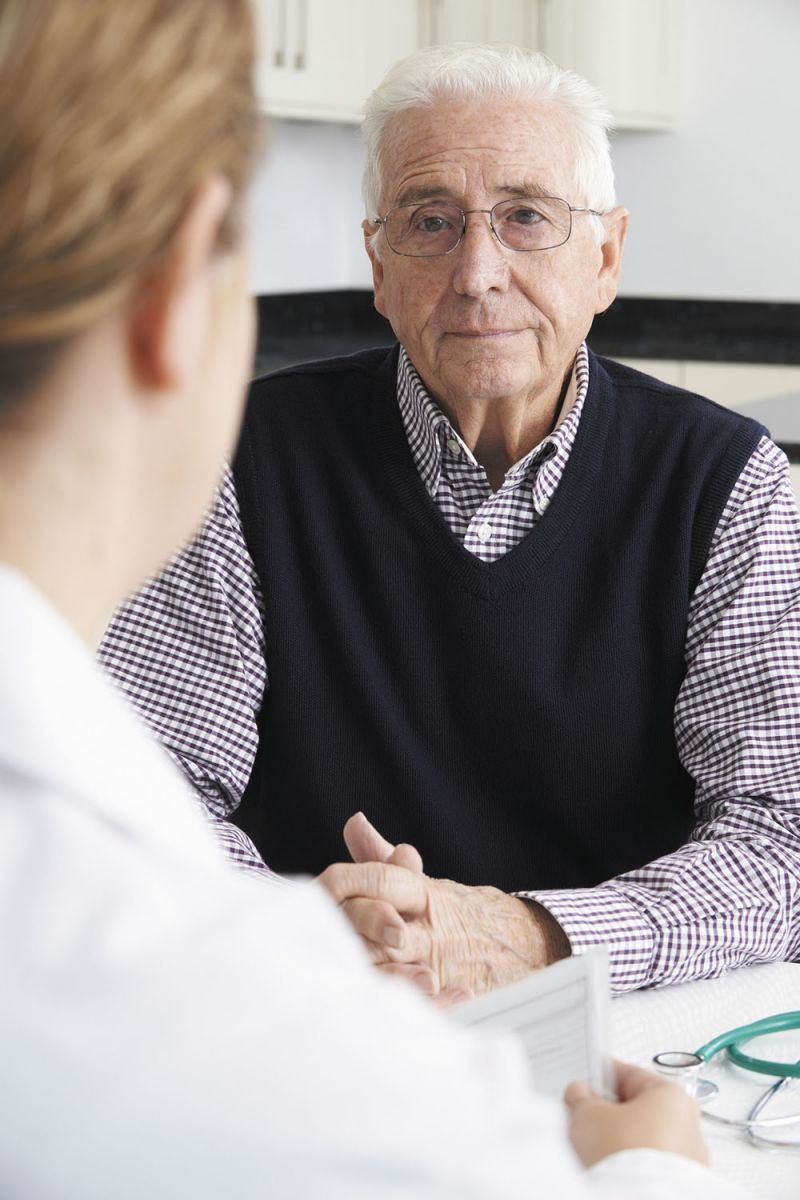
Dealing with a cancer diagnosis
Sometimes the emotional part of cancer is the toughest test.
Any kind of cancer diagnosis is life-changing. There suddenly are many decisions to make about treatments, possible surgery, and recovery. It can be a lot to deal with. But one part of the cancer process that often gets pushed aside is the psychological aspect — how do you manage the many emotions that come with it?
"The natural response to hearing 'cancer' is to feel a surge of anxiety and negative thoughts like 'I'm going to die,'" says Dr. John Peteet, head of the psychosocial oncology fellowship at the Harvard-affiliated Dana-Farber Cancer Institute. "Yet many men are reluctant to admit this and keep their feelings inside, so it's tough to know when they need help with this part of a cancer diagnosis."

The health benefits of writing your life story
Engaging your brain to write your memoirs can leave a recorded history for your descendants as it helps improve your cognitive fitness.
Image: © nzphotonz/Getty Images
As we grow older, there may be a tendency to feel less relevant to the people around us. We tend to withdraw as a result, and this isolation can lead to a greater risk of depression.
But here's an idea that will help you stay in the game as it helps your family better understand their own history. It's simple: write your life story.

Brain training may help with mild cognitive impairment
In the journals
So far, research has been mixed on whether brain training programs can improve or slow memory decline. Yet a new study published online Jan. 4, 2018, by the Journal of the American Geriatrics Society found that brain training may help people with mild cognitive impairment (MCI), the stage between normal brain aging and dementia.
Researchers recruited 145 adults, average age 72, who were diagnosed with MCI. They were split into three groups. Those in one group did two hours of brain training every week for two months. The training focused on improving memory by learning new strategies to better encode information. For example, they remembered errands by associating tasks with specific locations in their home, a process called method of loci. They also practiced how to better control their attention.

Drinking excessively could raise risk of early-onset dementia
Research we're watching
Drinking too much alcohol could raise the risk of developing early-onset dementia, says a study published online Feb. 20, 2018, by The Lancet Public Health.
Researchers studied the records of more than 31 million people discharged from French hospitals between 2008 and 2013 to identify 57,353 cases of early-onset dementia. Researchers defined "early onset," as cases occurring in people under age 65. They found that most diagnoses of early-onset dementia either were defined as alcohol-related (38.9%) or occurred in a person who had an alcohol use disorder (17.6%).
Study authors said that the findings show that alcohol use disorders are a major risk factor for dementia, and screening individuals for heavy drinking should be a priority for health care practitioners.




Opioids in the household: “Sharing” pain pills is too common
Many people have taken a friend’s or family member’s pain medication on occasion, but the ongoing opioid crisis has drawn attention to such behavior, forcing doctors, hospice workers, and other care providers to tighten their procedures and track quantities and dosages of pills more carefully.
Hip bursitis vs. arthritis: How to tell the difference
Fitness for longevity: Which type matters most?
Ministrokes linked to elevated risk of dementia
Continuous glucose monitors benefit people who don't need insulin
CoQ10: Should you take this popular supplement if you're on a statin?
Microplastics: A hidden health threat?
Oat vs. dairy milk: Nutrition, benefits, and downsides
What is tempeh? Benefits, nutrition, and how to use it
Healing after food poisoning
Whole grains may improve several heart risk factors at once
Free Healthbeat Signup
Get the latest in health news delivered to your inbox!
Sign Up
