

Hip bursitis vs. arthritis: How to tell the difference

Fitness for longevity: Which type matters most?

Ministrokes linked to elevated risk of dementia

Continuous glucose monitors benefit people who don't need insulin

CoQ10: Should you take this popular supplement if you're on a statin?

Microplastics: A hidden health threat?

Oat vs. dairy milk: Nutrition, benefits, and downsides

What is tempeh? Benefits, nutrition, and how to use it

Healing after food poisoning

Whole grains may improve several heart risk factors at once
Mind & Mood Archive
Articles

Mental stress, gender, and the heart
Research we're watching
Mental stress can cause arteries throughout the body to constrict. In people with heart disease, this effect can reduce blood supply to the heart muscle, a phenomenon known as mental stress–induced ischemia. New research suggests that this problem may affect women differently from men.
For the study, 678 adults (average age 63) delivered a speech while researchers measured their blood pressure and heart rate, took imaging pictures of their hearts, and measured the constriction of tiny arteries in their fingers. In women, mental stress–induced ischemia mostly resulted from constriction of tiny arteries. The resulting greater resistance requires the heart to use more force in pumping blood. In contrast, the ischemia seen in men was mostly due to a rise in blood pressure and heart rate. The findings are yet another reminder for people to find ways to avoid and manage mental stress. But they also hint that women's hearts may be more vulnerable to this problem. The study was published online Dec. 21, 2017, by the journal Arteriosclerosis, Thrombosis, and Vascular Biology.
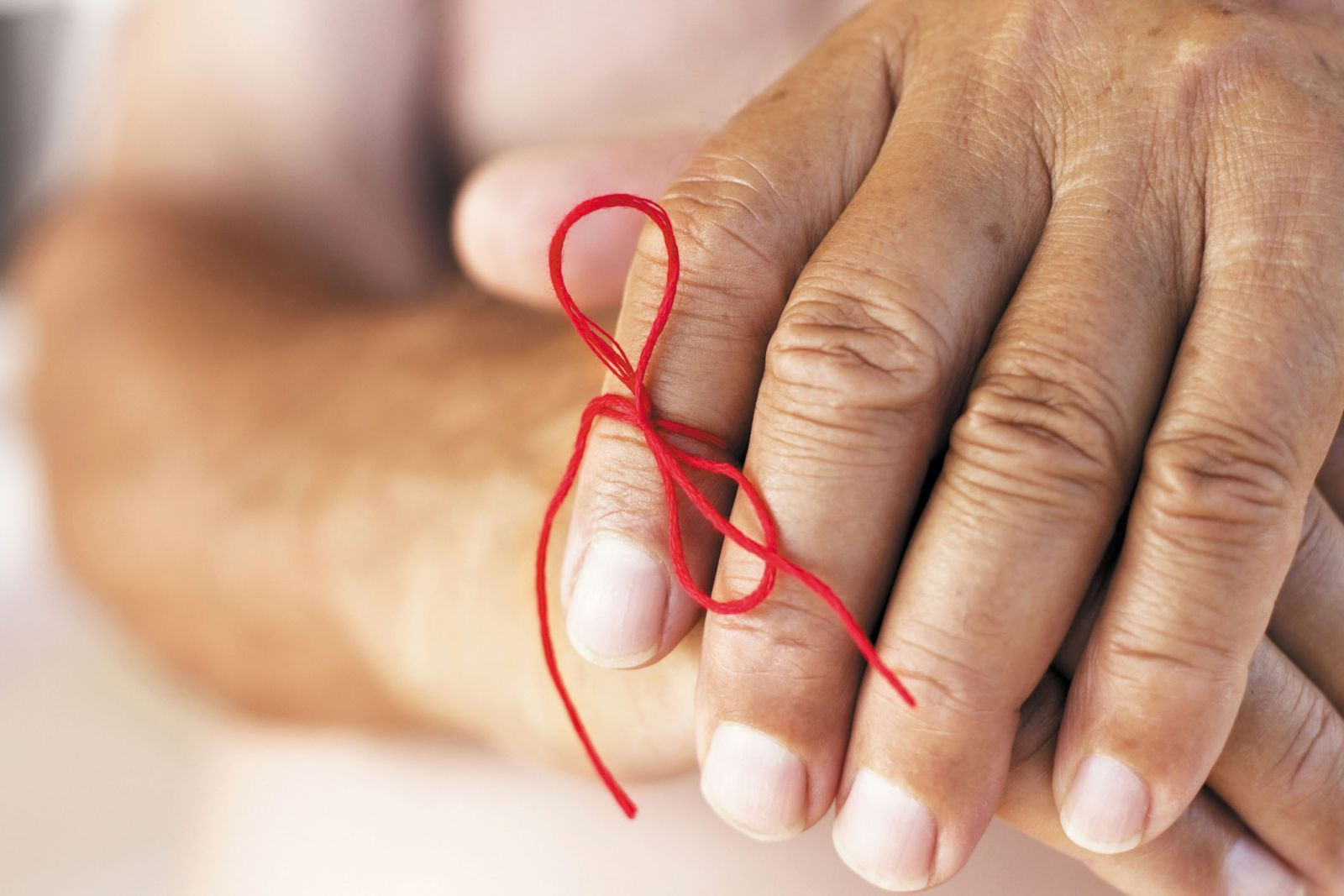
Forgetful? When to worry about memory changes
If you are noticing problems in yourself or a loved one, here's where to turn for help and support.
Image: © simarik/Getty Images
You're talking with a friend about a movie you saw recently, but can't remember the actor's name. Last week you found yourself upstairs, but couldn't remember what you came up to look for. Your keys are always missing. You worry: are these normal memory lapses or early signs of Alzheimer's disease or another form of dementia?
"Because there has been so much attention paid lately to the aging baby boomer population, I think Alzheimer's disease is getting a lot of attention, which is leading a lot of people to believe they may have the condition," says Dr. Suzanne Salamon, associate chief of the gerontology division at Beth Israel Deaconess Medical Center and assistant professor of medicine at Harvard Medical School.

4 tips for raising well-behaved children
One of the biggest challenges a parent faces is raising a child who is consistently well behaved. Children have varying temperaments, but these suggestions can help guide parents in their efforts.


Guns are killing our children. It’s time we did something
The Parkland shooting is a painful reminder that too many lives, including those of children, are taken by gun violence and firearm injuries. We all – parents, policymakers, gun owners — can take action to help prevent these tragedies. The American Academy of Pediatrics offers some specific suggestions.


4 things all parents should do to help prevent sexual abuse
Parents can help protect their children from sexual abuse by teaching children about their bodies and what is and is not appropriate behavior by adults.


Should I worry about grandkids’ sports?
Ask the doctor
Image: © s-c-s/Thinkstock
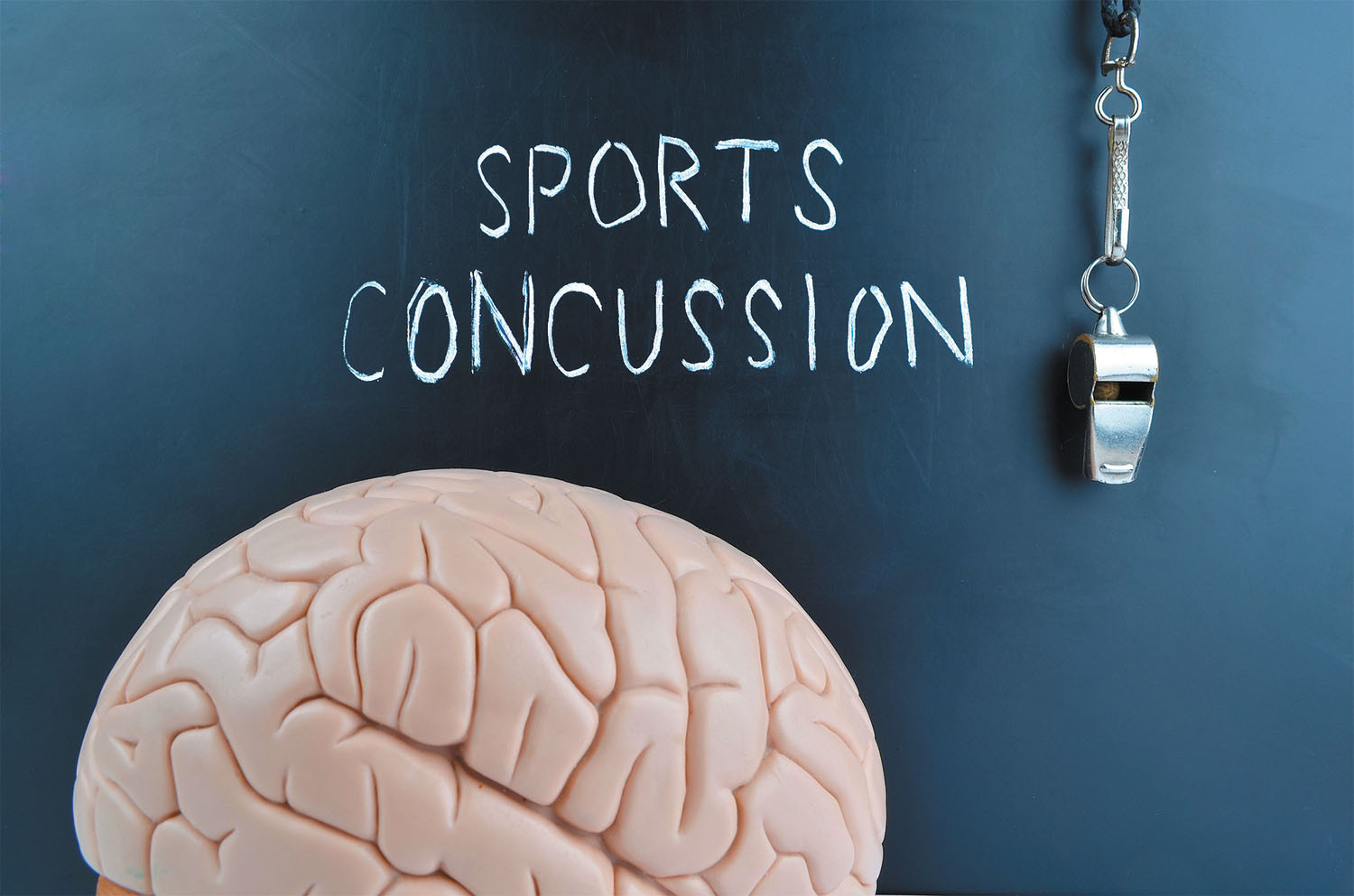
Q. I keep hearing that concussions can cause problems later in life. Should I be concerned about my grandkids playing sports, particularly football?
A. Sports teach kids many important life lessons, like the value of teamwork and hard work, and the importance of tenacity and resilience. The most popular sport in the United States is football. Yet evidence has emerged that repeated head injuries (common in football) may lead to a brain disease called chronic traumatic encephalopathy (CTE). This disease, which currently can be diagnosed only at an autopsy, causes difficulty thinking, severe mood swings, anger, violence — and death.
Hip bursitis vs. arthritis: How to tell the difference
Fitness for longevity: Which type matters most?
Ministrokes linked to elevated risk of dementia
Continuous glucose monitors benefit people who don't need insulin
CoQ10: Should you take this popular supplement if you're on a statin?
Microplastics: A hidden health threat?
Oat vs. dairy milk: Nutrition, benefits, and downsides
What is tempeh? Benefits, nutrition, and how to use it
Healing after food poisoning
Whole grains may improve several heart risk factors at once
Free Healthbeat Signup
Get the latest in health news delivered to your inbox!
Sign Up
