

Hip bursitis vs. arthritis: How to tell the difference

Fitness for longevity: Which type matters most?

Ministrokes linked to elevated risk of dementia

Continuous glucose monitors benefit people who don't need insulin

CoQ10: Should you take this popular supplement if you're on a statin?

Microplastics: A hidden health threat?

Oat vs. dairy milk: Nutrition, benefits, and downsides

What is tempeh? Benefits, nutrition, and how to use it

Healing after food poisoning

Whole grains may improve several heart risk factors at once
Mind & Mood Archive
Articles

Another study shows parents of newborns don’t always follow safe sleep recommendations
A study found that parents of newborns frequently do not follow safe sleep guidelines for their babies even though it’s likely they are familiar with them. The most common mistake is putting blankets or other items in a baby’s crib, but cribs should be empty. While it’s hard to imagine sleeping on a bare mattress, babies really don’t need bedding. And it’s not worth risking your baby’s life for the sake of a blanket.

4 back to school tips to get your child off to a great start
As summer begins winding down, it’s time to begin preparing your children for life back at school. Although going from a relaxed summer to a regimented schedule can be difficult at first, parents can follow simple steps to set up their kids for health and academic success as they get back into the swing of school.


At what age is alcohol use unsafe?
When older adults drink alcohol, they may be increasing their risk of falls. Otherwise, drinking alcohol in the older years poses the same risks as it does in the younger years.


The 5 things parents need to know about drowning
About 10 people die from drowning every day. Of these 10 people, two are children. For every child that dies from drowning, five other children are treated in hospitals for injuries sustained from drowning. Although swimming can be a dangerous activity for even the most experienced swimmer, there are ways that parents can help protect their children from the dangers of drowning. Fencing off your pool, teaching your child how to swim and simply being observant of your child in any sort of water are all easy steps to help keep your child safe.
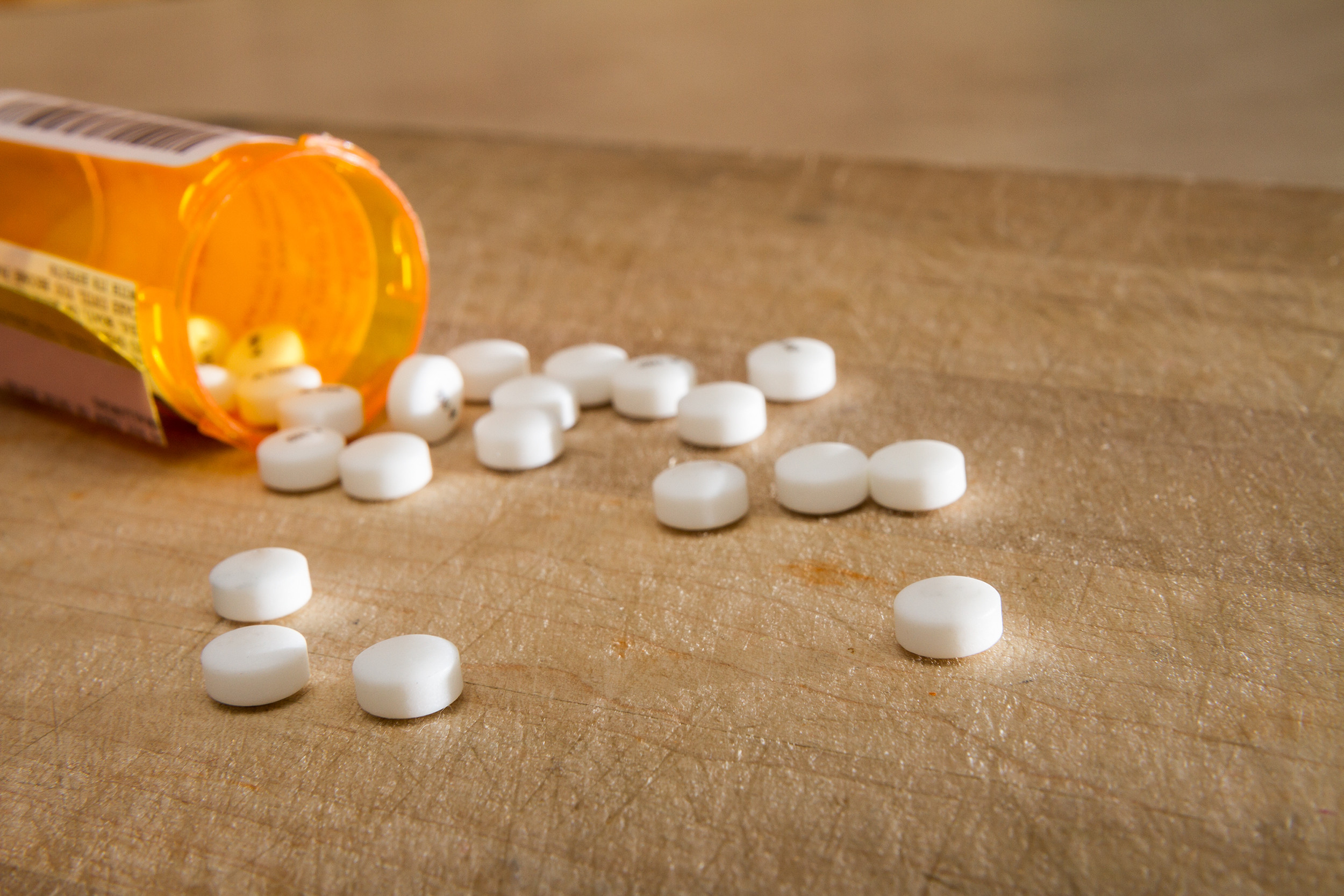
Fentanyl: The dangers of this potent “man-made” opioid
Fentanyl is a powerful synthetic opioid. It is far more potent — and potentially more dangerous — than heroin and morphine. Overdose deaths related to fentanyl are on the rise. The drug is cheaper than heroin and recently is being used to dilute heroin or substitute for it. Users may be unaware that they are taking this potent drug, or may even seek its intense high. People at risk from using fentanyl can be treated successfully with therapies used for other opioid use disorders, but taking steps to prevent overdose are critical until a person is ready to seek care.

E-cigarettes: Good news, bad news
While e-cigarettes do not produce the tar or toxic gases found in cigarette smoke, this doesn’t make them a healthy option. The e-liquid found in e-cigarettes still contains highly addictive nicotine that also increases your risk of insulin resistance and type 2 diabetes. Nicotine also increases the risk of addiction to other drugs and may impair brain development. Rather than rely on the perceived benefits of e-cigarettes, people should avoid smoking altogether.
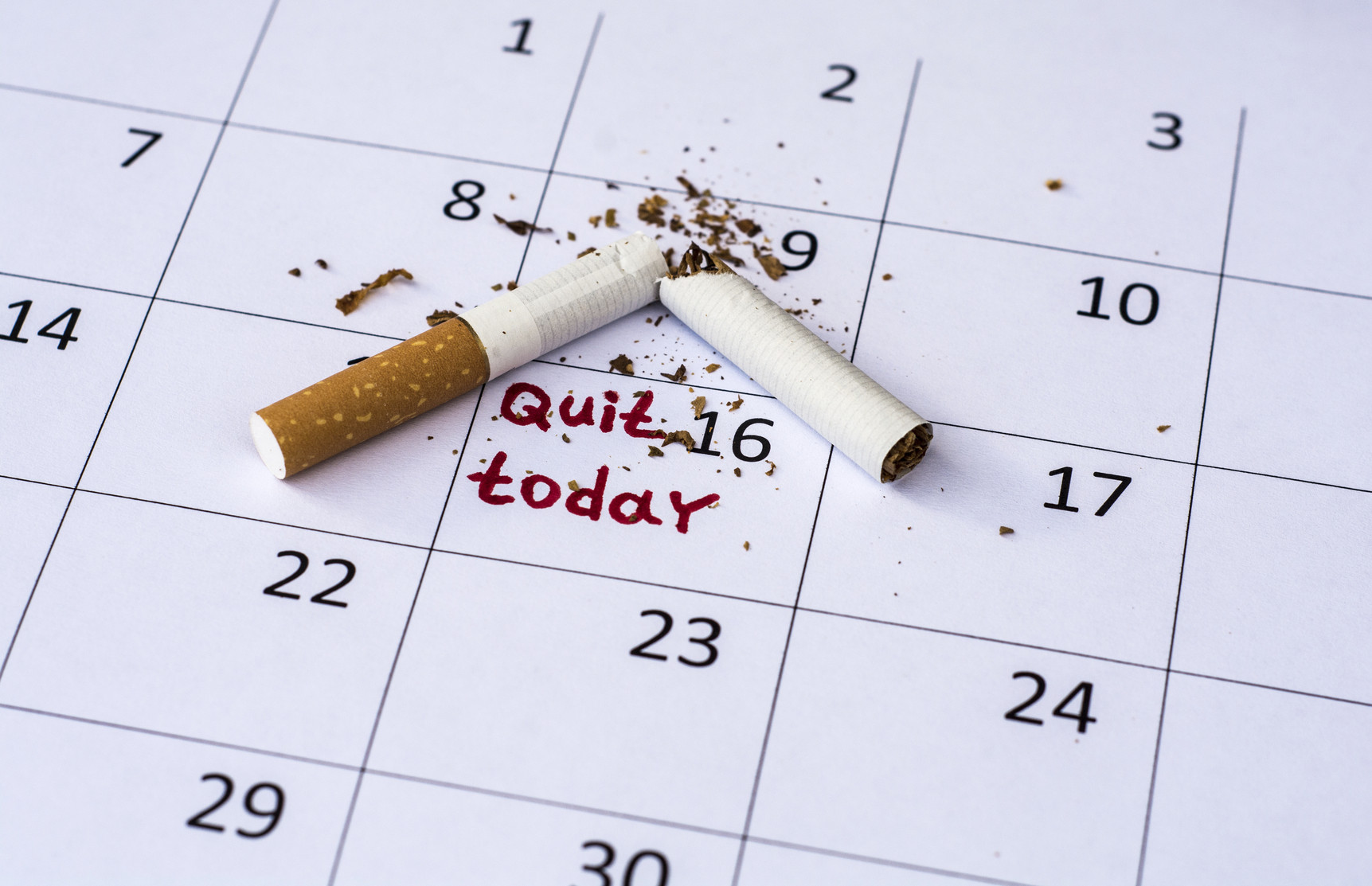
Quitting smoking during the second half of the menstrual cycle may help women kick the habit
Studies have shown that not only do women have a harder time quitting than men, but they also experience more severe health consequences from smoking. However, new research suggests that it may be easier for women to quit smoking during the second half of their menstrual cycle. During this time, the hormone progesterone is higher, and this appears to aid in quitting and avoiding relapse.

Fewer allergies: A possible upside of thumb sucking and nail biting
It’s no surprise that children suck their thumbs or bite their nails. These behaviors are often discouraged, as they can go on to cause damaged teeth, infections, or even elicit teasing from other children. However, a new study suggests that there are benefits for children who exhibit these behaviors, as it makes their immune systems better at attacking germs and decreases their risk of developing common allergies. Although these habits may be irritating for parents, they may improve your child’s health in the long run.
Hip bursitis vs. arthritis: How to tell the difference
Fitness for longevity: Which type matters most?
Ministrokes linked to elevated risk of dementia
Continuous glucose monitors benefit people who don't need insulin
CoQ10: Should you take this popular supplement if you're on a statin?
Microplastics: A hidden health threat?
Oat vs. dairy milk: Nutrition, benefits, and downsides
What is tempeh? Benefits, nutrition, and how to use it
Healing after food poisoning
Whole grains may improve several heart risk factors at once
Free Healthbeat Signup
Get the latest in health news delivered to your inbox!
Sign Up
