

Hip bursitis vs. arthritis: How to tell the difference

Fitness for longevity: Which type matters most?

Ministrokes linked to elevated risk of dementia

Continuous glucose monitors benefit people who don't need insulin

CoQ10: Should you take this popular supplement if you're on a statin?

Microplastics: A hidden health threat?

Oat vs. dairy milk: Nutrition, benefits, and downsides

What is tempeh? Benefits, nutrition, and how to use it

Healing after food poisoning

Whole grains may improve several heart risk factors at once
Mind & Mood Archive
Articles

High intake of berries, apples, and tea linked to lower dementia risk
News briefs
Plants are loaded with naturally occurring chemicals that appear to help health. And high, long-term intakes of certain kinds of plant chemicals called flavonoids are associated with a reduced risk for developing dementia, according to a study published online April 22, 2020, by The American Journal of Clinical Nutrition. Researchers evaluated the health information of 2,800 dementia-free people (average age 59) who periodically underwent physical exams, had lab tests, and answered diet questionnaires. After 20 years, people who had reported the highest flavonoid intake were about 40% less likely to develop dementia, compared with people who'd reported the lowest intake. There are many different types of flavonoids; those with the greatest link to lower dementia risk came from tea, apples, pears, blueberries, and strawberries. A high intake was about the same as having 7.5 cups of berries, eight apples or pears, and 19 cups of tea per month. A low intake was about the same as having no berries or tea and less than two apples per month. The study was observational and doesn't prove that high flavonoid intake protected people from developing dementia. But researchers say other evidence suggests flavonoids may ward off brain inflammation and protect brain cells.
Image: © Slava Olshevskaya/Getty Images

Another strategy to cope with life’s dark times
News briefs
The United States is reporting increasing numbers of "deaths from despair" (suicide, drug overdose, or alcohol poisoning). Antidepressants and psychotherapy are often used to help people who are having a hard time coping with extremely difficult times and who are at risk for dying because of it. A recent Harvard study found that another strategy may also play a part in countering despair: attending religious services. The study, published online May 6, 2020, by JAMA Psychiatry, evaluated self-reported religious service attendance among 110,000 white, middle-aged men and women who were followed for about 30 years. Compared with never attending religious services, going at least once per week was associated with a much lower risk of death from despair: 68% lower for women and 37% lower for men. Researchers say that religious participation — regardless of affiliation — may serve as an antidote to despair and provide a sustained sense of hope, meaning, peace, and positive outlook. Also, faith-based organizations promote social engagement and connectedness and preach against self-injury and substance use. The study was observational and does not prove that regularly going to a religious service prevents death from despair. However, we know from other Harvard research that using religion to cope is associated with improved outcomes for people with severe psychiatric illness. Due to the pandemic, it may be difficult to attend your usual place of worship. Consider attending services via teleconference. If you attend in-person services, wear a mask and try to stay six feet away from others.
Image: © fstop123/Getty Images
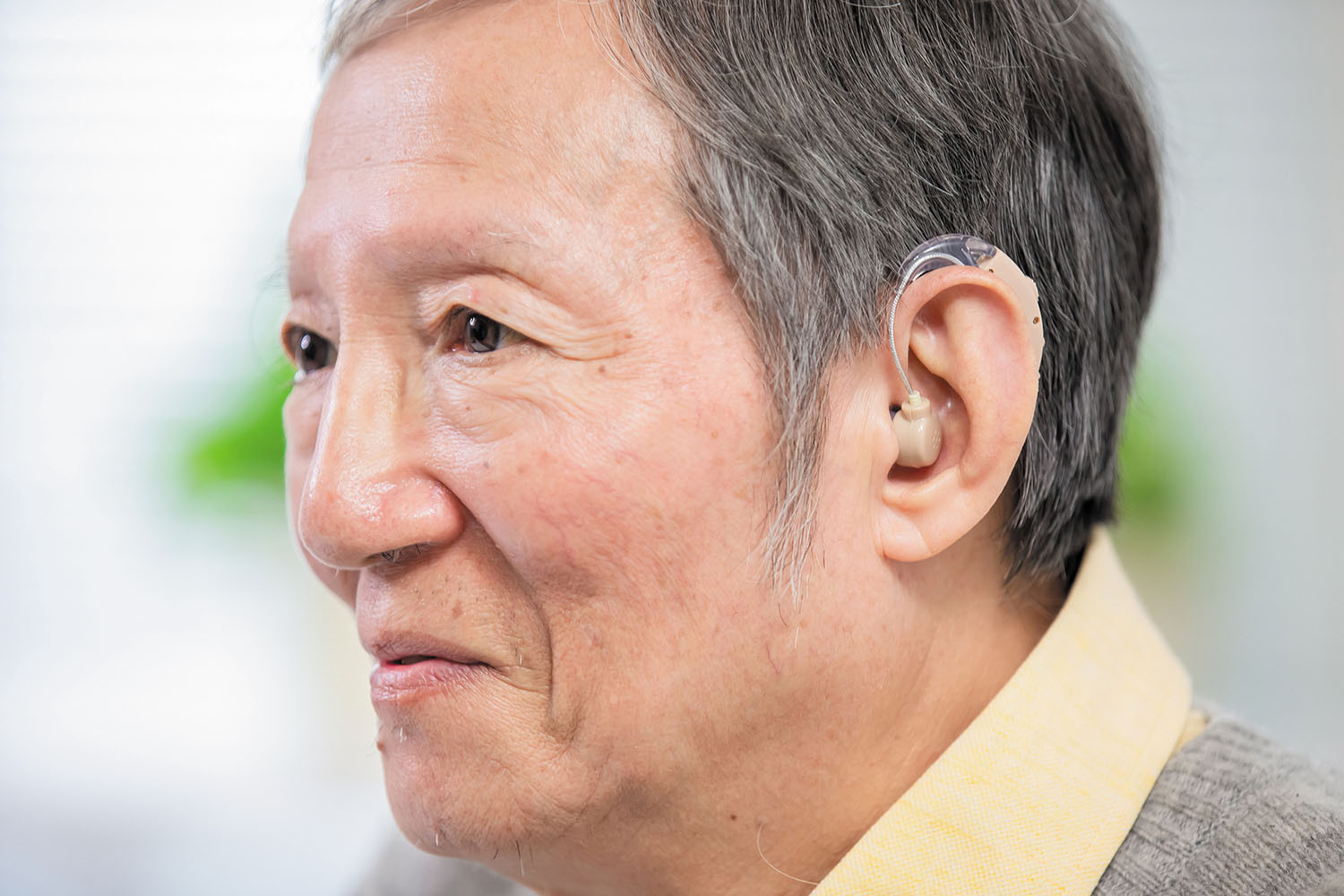
Sound check on hearing aids
Don't wait to get hearing aids if you need them. They can improve your quality of life.
Hearing aids may be a symbol of advancing age, but they also can be your means to a healthier and more vibrant life.
Research continues to show that people with age-related hearing loss who get fitted for hearing aids tend to become more active. Some science has even suggested they have fewer cognitive issues.

More touching can build a stronger relationship
In the journals
Regular hugs and touches can help strengthen your relationship, suggests a study in the June 2020 Journal of Social and Personal Relationships.
Researchers explored the effects of nonsexual intimate touch, such as hugging, holding hands, and cuddling, among 184 couples. The participants completed separate self-reports that recorded the amount of touching in their relationship, their satisfaction with touch, and their overall relationship status.

Brain health and walking speed often decline together
In the journals
Slower gait speed and cognitive decline may be related, according to a study published online April 12, 2020, by the International Journal of Geriatric Psychiatry.
Scientists recorded the gait speed and cognitive health of 370 people in the San Antonio Longitudinal Study of Aging (SALSA). Cognitive health was measured with a test that assessed orientation to time and place, attention, recall, language, and other aspects. Gait speed was measured with a timed 10-foot walk.

Youth sports during COVID-19: What parents need to know and do
Playing youth sports is a great way for children to be active and learn important socialization skills, but the risks of COVID-19 mean parents with children who participate in sports must consider a number of factors when deciding whether to play.

Envisioning food security: Steps we take now can help
Along with historically high unemployment rates, the COVID-19 pandemic has caused a significant increase in food insecurity for millions of Americans, and this problem disproportionately affects lower-income people and racial and ethnic minorities. Temporary measures have helped a bit to ease the situation, and new proposals could do more.


How to make the most of your child’s telehealth visit
Telehealth visits are going to be with us for the foreseeable future, and this includes children seeing their pediatricians. Parents can take steps before and during their child’s “exam” to help things go more smoothly and get the most out of the time with the doctor.
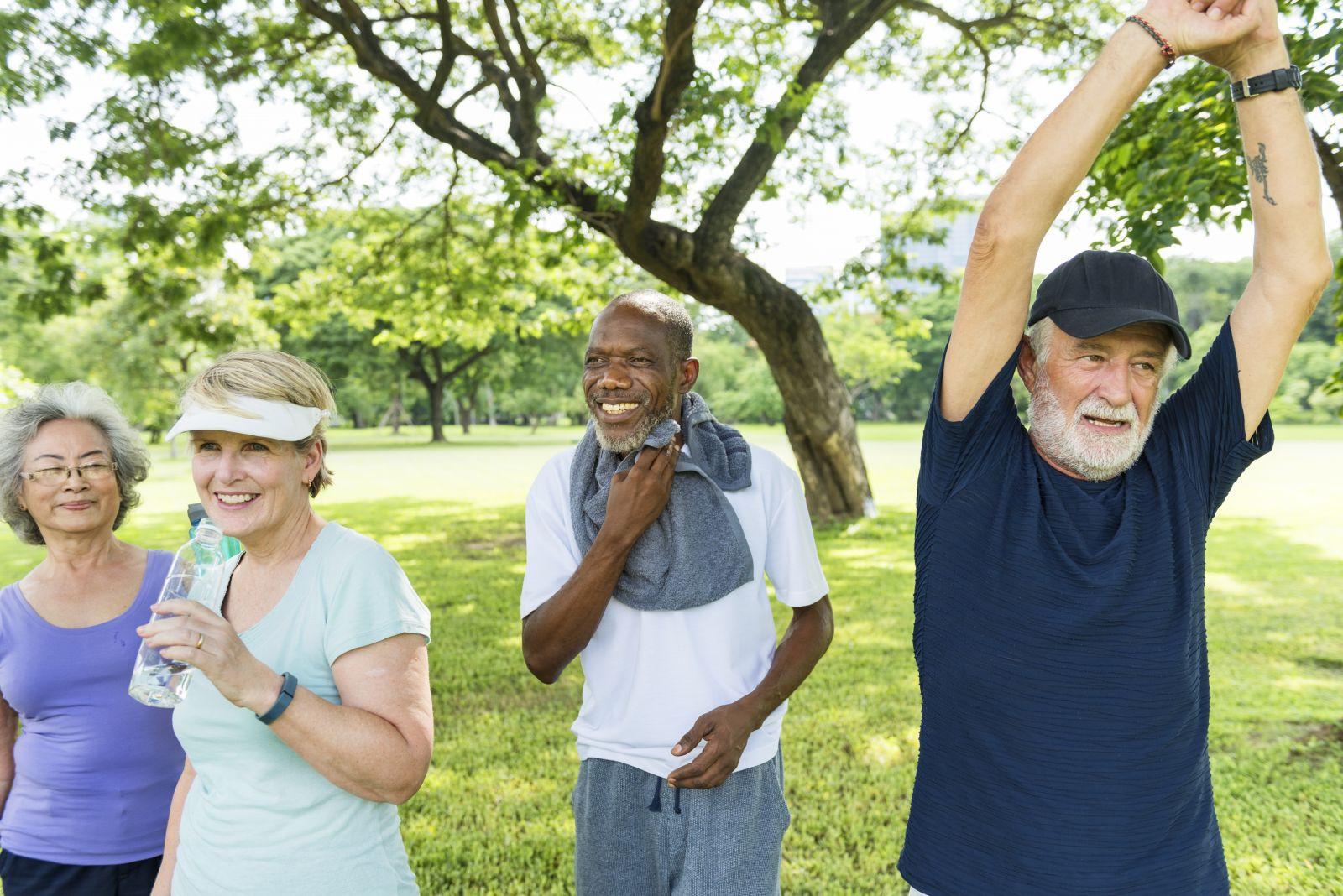
Exercising to relax
Exercise reduces stress hormones and stimulates production of endorphins, which together help foster relaxation. Other techniques, such as breathing exercises and muscle relaxation, can enhance the stress-beating effects of exercise.
Hip bursitis vs. arthritis: How to tell the difference
Fitness for longevity: Which type matters most?
Ministrokes linked to elevated risk of dementia
Continuous glucose monitors benefit people who don't need insulin
CoQ10: Should you take this popular supplement if you're on a statin?
Microplastics: A hidden health threat?
Oat vs. dairy milk: Nutrition, benefits, and downsides
What is tempeh? Benefits, nutrition, and how to use it
Healing after food poisoning
Whole grains may improve several heart risk factors at once
Free Healthbeat Signup
Get the latest in health news delivered to your inbox!
Sign Up
