

Hip bursitis vs. arthritis: How to tell the difference

Fitness for longevity: Which type matters most?

Ministrokes linked to elevated risk of dementia

Continuous glucose monitors benefit people who don't need insulin

CoQ10: Should you take this popular supplement if you're on a statin?

Microplastics: A hidden health threat?

Oat vs. dairy milk: Nutrition, benefits, and downsides

What is tempeh? Benefits, nutrition, and how to use it

Healing after food poisoning

Whole grains may improve several heart risk factors at once
Mindfulness and meditation Archive
Articles

Left behind after suicide
People bereaved by a suicide often get less support because it's hard for them to reach out — and because others are unsure how to help.
Every year in the United States, more than 45,000 people take their own lives. Every one of these deaths leaves an estimated six or more "suicide survivors" — people who've lost someone they care about deeply and are left with their grief and struggle to understand why it happened.
The grief process is always difficult, but a loss through suicide is like no other, and the grieving can be especially complex and traumatic. People coping with this kind of loss often need more support than others, but may get less. There are various explanations for this. Suicide is a difficult subject to contemplate. Survivors may be reluctant to confide that the death was self-inflicted. And when others know the circumstances of the death, they may feel uncertain about how to offer help. Grief after suicide is different, but there are many resources for survivors, and many ways you can help the bereaved.

Breathing lessons
Learning to "belly breathe" helps ease your body's response to stress and tension.
The average person takes between 17,000 and 23,000 breaths per day, but there is a good chance we don't always breathe the right way. Chalk it up to how we deal with stress.
"When we feel something as a threat, our fight-or-flight response automatically kicks in," says Dr. Katherine Rosa, with the Harvard-affiliated Benson-Henry Institute for Mind Body Medicine. "Our breathing becomes more rapid and shallow and our hearts beat faster, all of which prepares us to run away from the threat."

More evidence that exercise can boost mood
Running for 15 minutes a day or walking for an hour reduces the risk of major depression, according to a recent study.
It may be possible to outrun depression, according to a study published online January 23 by JAMA Psychiatry.
"We saw a 26% decrease in odds for becoming depressed for each major increase in objectively measured physical activity," says study author Karmel Choi, a clinical and research fellow at the Harvard T.H. Chan School of Public Health. "This increase in physical activity is what you might see on your activity tracker if you replaced 15 minutes of sitting with 15 minutes of running, or one hour of sitting with one hour of moderate activity like brisk walking."
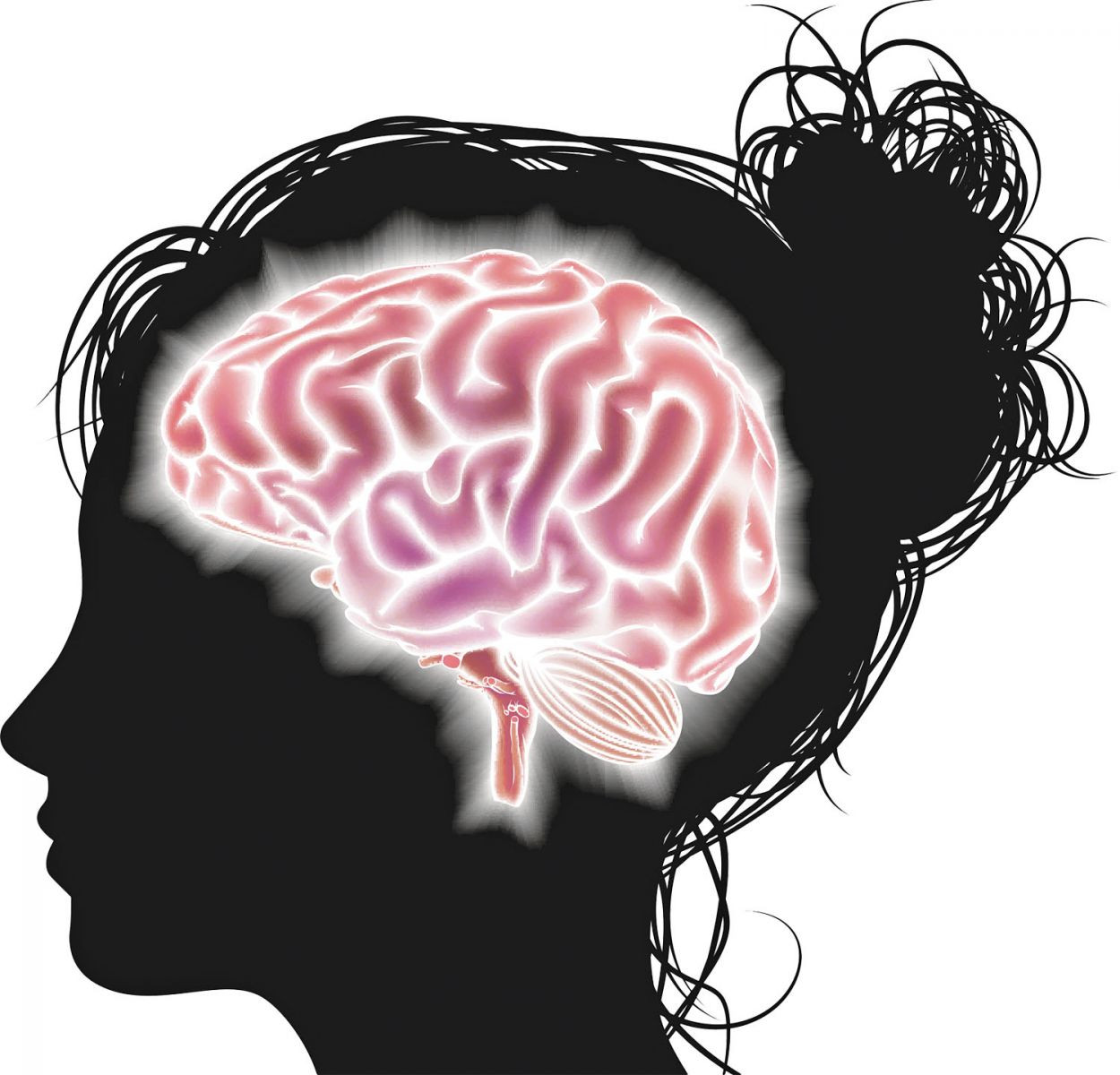
Chronic inflammation may put your brain at risk
Research we're watching
Not only might chronic inflammation affect your heart health, but it could also lead to cognitive decline, according to a study published in the February issue of Neurology. Researchers measured inflammation in more than 12,000 middle-aged adults, assigning each a composite score using four inflammation-related biomarkers found in the blood. They then assessed the cognitive function of the participants in three separate visits over the next 20 years. They found that after adjusting for demographic and other variables, inflammation appeared to be associated with increased cognitive decline. People in the study who had higher inflammation scores experienced 7.8% greater cognitive decline when compared with study participants who had lower scores.
Image: © ChrisGorgio/Getty Images

Mother’s Day: Tools for coping when celebration brings pain
Mother’s Day is meant to be a day of celebration. But for many women it can also be a day of discomfort. Tools for coping may make this easier to manage.



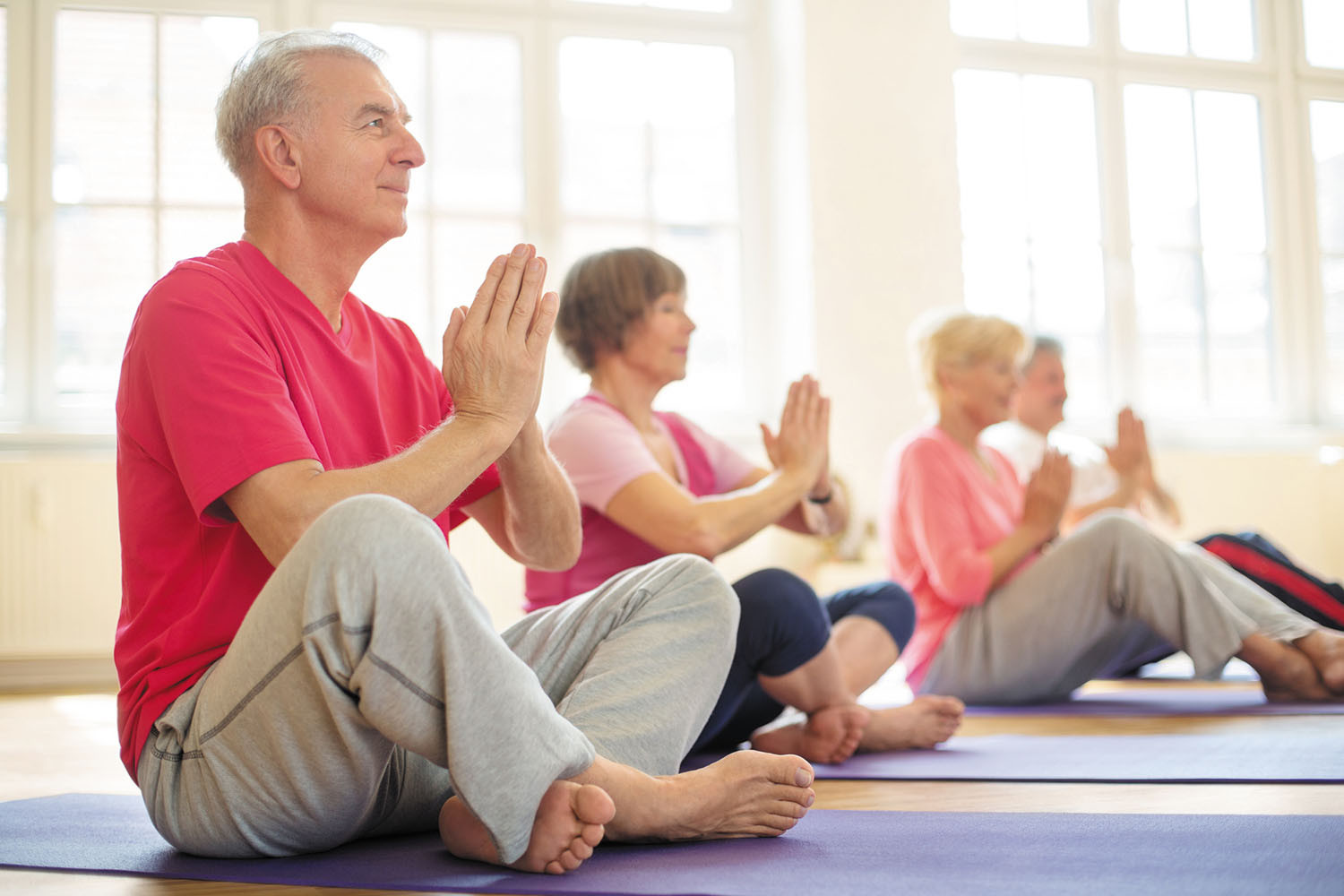
How yoga may enhance heart health
In addition to boosting fitness and easing stress, yoga may also help you embrace a healthier lifestyle.
Many people think of yoga mainly as an activity that promotes flexibility and balance. But this ancient tradition also includes breathing exercises, relaxation, and meditation. Together, these practices can lead to measurable improvements in factors connected with cardiovascular health, such as lower blood pressure, better sleep, and less artery-damaging inflammation.
"There are four distinct but interconnected areas in which yoga has specific benefits, not just for heart disease but any disease," says yoga researcher and neuroscientist Dr. Sat Bir Singh Khalsa, assistant professor of medicine at Harvard Medical School. Following are summaries of the four areas.
Hip bursitis vs. arthritis: How to tell the difference
Fitness for longevity: Which type matters most?
Ministrokes linked to elevated risk of dementia
Continuous glucose monitors benefit people who don't need insulin
CoQ10: Should you take this popular supplement if you're on a statin?
Microplastics: A hidden health threat?
Oat vs. dairy milk: Nutrition, benefits, and downsides
What is tempeh? Benefits, nutrition, and how to use it
Healing after food poisoning
Whole grains may improve several heart risk factors at once
Free Healthbeat Signup
Get the latest in health news delivered to your inbox!
Sign Up
