

Hip bursitis vs. arthritis: How to tell the difference

Fitness for longevity: Which type matters most?

Ministrokes linked to elevated risk of dementia

Continuous glucose monitors benefit people who don't need insulin

CoQ10: Should you take this popular supplement if you're on a statin?

Microplastics: A hidden health threat?

Oat vs. dairy milk: Nutrition, benefits, and downsides

What is tempeh? Benefits, nutrition, and how to use it

Healing after food poisoning

Whole grains may improve several heart risk factors at once
Mindfulness and meditation Archive
Articles
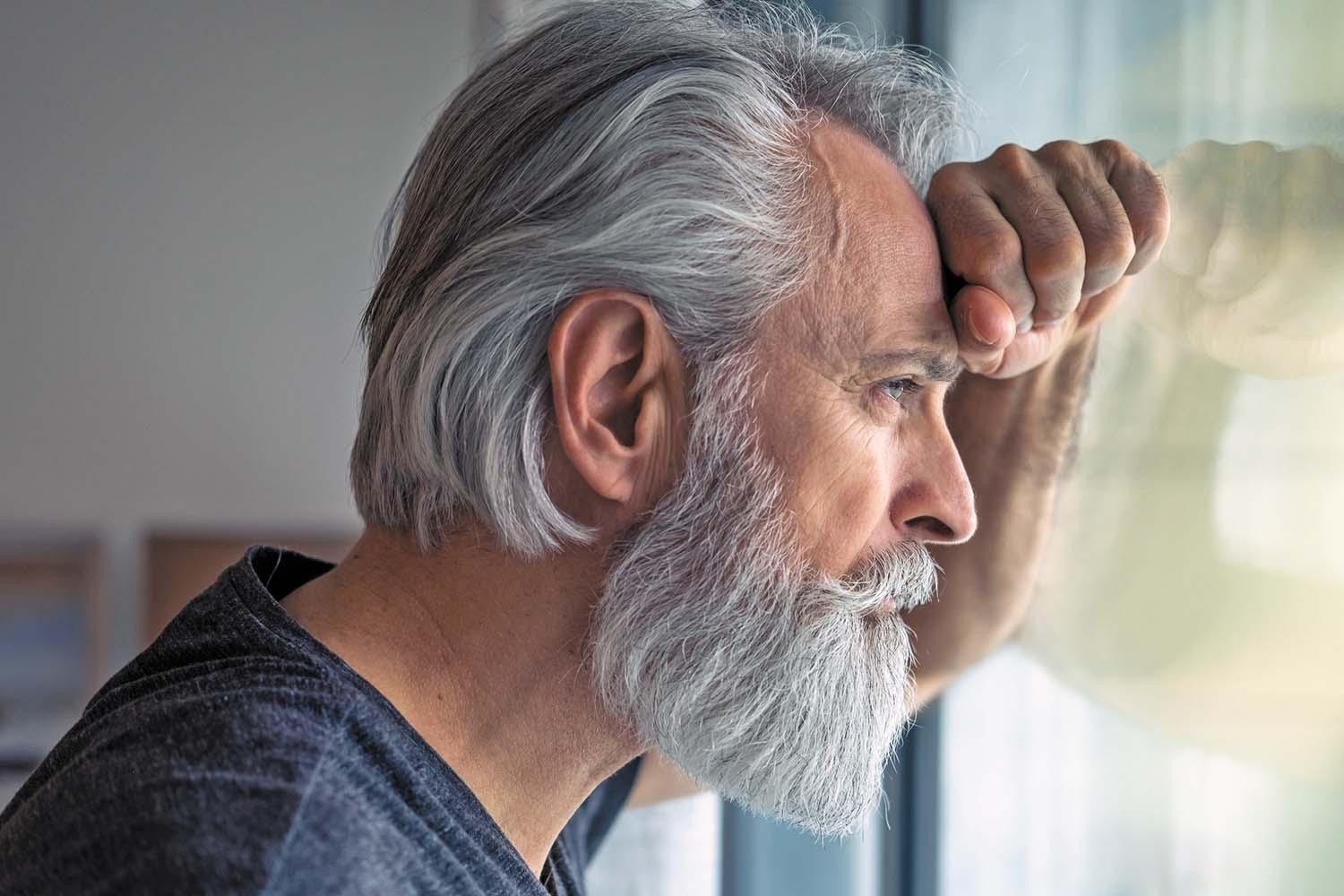
Advancing age and mental health disorders
People have a 50% chance of developing at least one mental health disorder by age 75, according to some research. Among men, the most common are alcohol use disorder, depression, and anxiety disorders, with social anxiety disorder being the most prevalent of those. Many men miss the early warning signs of these disorders, or when they do, they often try to push through, which can worsen the symptoms. But identifying when they might have a problem is the first step toward seeking help.
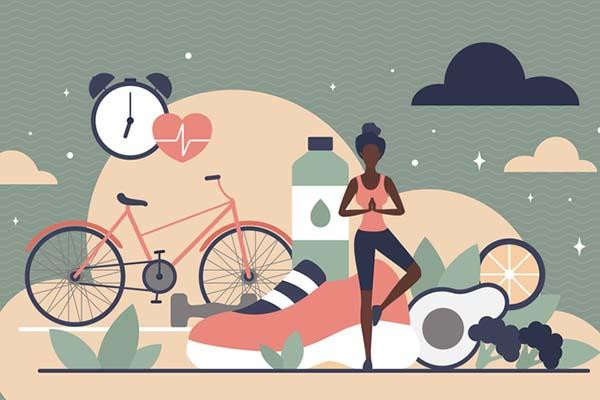
5 timeless habits for better health
Influencers, news headlines, and well-meaning friends and family offer conflicting advice on wellness. Quick fixes and fads may do little for our health, and some even prove harmful. Try to work these five simple habits that can boost health and wellness into your everyday life.

Hidden hurdles to mental health care
A quarter of American adults live with a mental health disorder such as anxiety, depression, obsessive-compulsive disorder, or post-traumatic stress disorder. But more than half don't seek help. Internal and external barriers may stop them from getting the care they need. Internal barriers are emotions or excuses people make to avoid treatment. External barriers include cost or difficulty finding a provider who can meet someone's individual needs. To push past obstacles, people can investigate less-expensive mental health programs or reframe guilt-inducing thoughts.


Second-guessing symptoms
While many health symptoms resolve quickly on their own, others linger and make people wonder if they need to see a doctor. Symptoms that warrant a doctor's visit include drawn-out cold symptoms such as fatigue, cough, and low-grade fever; a fever lasting more than four days; unexpected symptoms when starting a new medication or after surgery; certain digestive problems; and new or worsening mental health issues.

Chronic stress may raise women's stroke risk
A 2025 study found that chronic stress is associated with higher stroke risks among women under 50, but not in men.

How to avoid catastrophic thinking
People trapped in catastrophic thought patterns are convinced everything is awful and won't improve, which creates a constant sense of helplessness, anxiety, and stress. One way to stop this doomsday thinking is learning how to mentally pivot. Mental pivoting is the action of consciously deciding to deflect thoughts when they arise, so they don't fester and grow. By doing this, people can feel more in control of invasive thoughts when they arise.

Staying socially active linked to delayed dementia diagnosis
In a 2025 study of about 2,000 people (average age 80) who were followed for seven years, about a third developed dementia or mild cognitive impairment. Being socially active seemed to delay that diagnosis for about five years.

An introvert's guide to socializing
An active social life is good medicine for the body and brain as it lowers the risk for many chronic diseases and protects against dementia and mild cognitive impairment. However, people who are introverts and enjoy their solitude can struggle with engagement. These individuals can benefit from socializing while maintaining their comfort levels by engaging in activities like joining social clubs and other groups, taking classes, and attending public events.

The healing power of kindness
Acts of kindness do more than make the giver and recipient feel good-they can also bolster psychological and physical health. Research suggests kindness can improve happiness and increase social connectedness as well as reduce anxiety and lower blood pressure. Evidence also suggests concentrating good deeds into shorter time periods enhances well-being more powerfully than spreading actions out. Kind acts can include complimenting people, running errands for a neighbor, making a donation to charity, and signing up to volunteer.
Hip bursitis vs. arthritis: How to tell the difference
Fitness for longevity: Which type matters most?
Ministrokes linked to elevated risk of dementia
Continuous glucose monitors benefit people who don't need insulin
CoQ10: Should you take this popular supplement if you're on a statin?
Microplastics: A hidden health threat?
Oat vs. dairy milk: Nutrition, benefits, and downsides
What is tempeh? Benefits, nutrition, and how to use it
Healing after food poisoning
Whole grains may improve several heart risk factors at once
Free Healthbeat Signup
Get the latest in health news delivered to your inbox!
Sign Up
