

Hip bursitis vs. arthritis: How to tell the difference

Fitness for longevity: Which type matters most?

Ministrokes linked to elevated risk of dementia

Continuous glucose monitors benefit people who don't need insulin

CoQ10: Should you take this popular supplement if you're on a statin?

Microplastics: A hidden health threat?

Oat vs. dairy milk: Nutrition, benefits, and downsides

What is tempeh? Benefits, nutrition, and how to use it

Healing after food poisoning

Whole grains may improve several heart risk factors at once
Osteoporosis Archive
Articles

What is the best way to treat severe dandruff?
On call
Q. I have had a dandruff problem for years. I have tried selenium and zinc shampoos, as well as ketoconazole shampoo. Nothing has worked. Are there other options?
A. Dandruff, which is a chronic skin condition known as seborrheic dermatitis of the scalp, can range from a minor irritant to a severe rash of the entire scalp.

Just 45 minutes of weekly activity may help with arthritis
In the journals
Studies have shown that regular activity can help older adults with arthritis stay independent. How much is enough? Research published online Dec. 28, 2016, by Arthritis Care & Research suggests you may need as little as 45 minutes per week.
Federal guidelines recommend 150 minutes of moderate activity per week to prevent premature death and serious illness. However, reaching that number is tough to reach for people with arthritis; in fact, only one in eight men with knee arthritis meet this standard. In this study, researchers tracked several years of fitness activity for 1,629 adults (44% of whom were men), ages 49 to 83, with osteoarthritis in the hip, knee, foot, or some combination. Specific exercises or activities were not recorded, only the time invested per week.

Could that joint pain be rheumatoid arthritis?
How to distinguish the symptoms from other conditions, and what to do about treatment.
Image: © PositiveFocus/Thinkstock
When your joints ache, you may chalk it up to an old injury or to osteoarthritis — the wearing away of cartilage that's common in older age. But for two million people in the United States, aching joints are caused by rheumatoid arthritis (RA) — when the immune system mistakenly attacks the tissues lining the joints.
"People commonly assume RA pain is due to aging, overuse, or even the flu," says Dr. Robert Shmerling, a rheumatologist at Harvard-affiliated Beth Israel Deaconess Medical Center, and medical editor of the Harvard Special Health Report Rheumatoid Arthritis (health.harvard.edu/RA).

New thinking about urinary tract infections
Don't be surprised if your doctor doesn't rush you into treatment.
Image: © iStock
Urinary tract infections (UTIs) can be tricky in older age. They're not always as easy to spot or treat as in youth. And the decades-long approach to treatment is changing. "We've been hasty in using antibiotics, and we're learning there are significant consequences that can range from side effects of medication to infections with antibiotic-resistant bacteria," says Dr. Helen Chen, a geriatrician at Harvard-affiliated Hebrew Rehabilitation Center.
About UTIs
UTIs can occur anywhere in the urinary tract. The most common places are the bladder (where urine is stored) and the urethra (the tube through which you urinate). Less common, but more serious, is infection of the kidneys, which filter waste and extra water from the blood and make urine. Infections may be triggered by sexual activity, catheters, kidney stones, decreased estrogen in the lining of the vagina, or urine that's pooled in the bladder.
Harvard researchers link diverticulitis to red meat
News briefs
Red meat is associated with an increased risk for developing cardiovascular disease, diabetes, and some types of cancer. Now, a study published online Jan. 9, 2017, by the journal Gut suggests that eating red meat is associated with an increased risk for developing diverticulitis. This occurs when tiny pouches in the wall of the large intestine become inflamed, potentially causing cramps, diarrhea, constipation, and even rectal bleeding. We don't really know what causes diverticulitis, so researchers explored possible dietary links. They analyzed health and diet information reported by more than 46,000 men (ages 40 to 75) over 26 years. Men who ate the most red meat per week (about 13 servings) were 58% more likely to develop diverticulitis during the study period, compared with men who ate the least red meat per week (1.2 servings). The association was strongest for unprocessed red meat like steak. However, the risk for developing diverticulitis was 20% lower when people in the study substituted poultry or fish for a serving of unprocessed red meat each day. The findings don't prove that red meat causes diverticulitis, but other studies have suggested red meat may be a factor in diverticular disease.
Anti-inflammatory diet could reduce risk of bone loss in women
Research we're watching
Because several studies have connected inflammation to bone loss and fractures, researchers from Ohio State University wondered if dietary choices that contribute to inflammation are also related to declines in bone density.
The team looked at the diets of 160,191 postmenopausal women enrolled in the Women's Health Initiative and assigned each of them a dietary inflammation score based on 32 foods the women reported consuming in the three months prior to their enrollment. All the women completed dietary questionnaires and had scans to measure bone density at the beginning of the study and three and six years later.
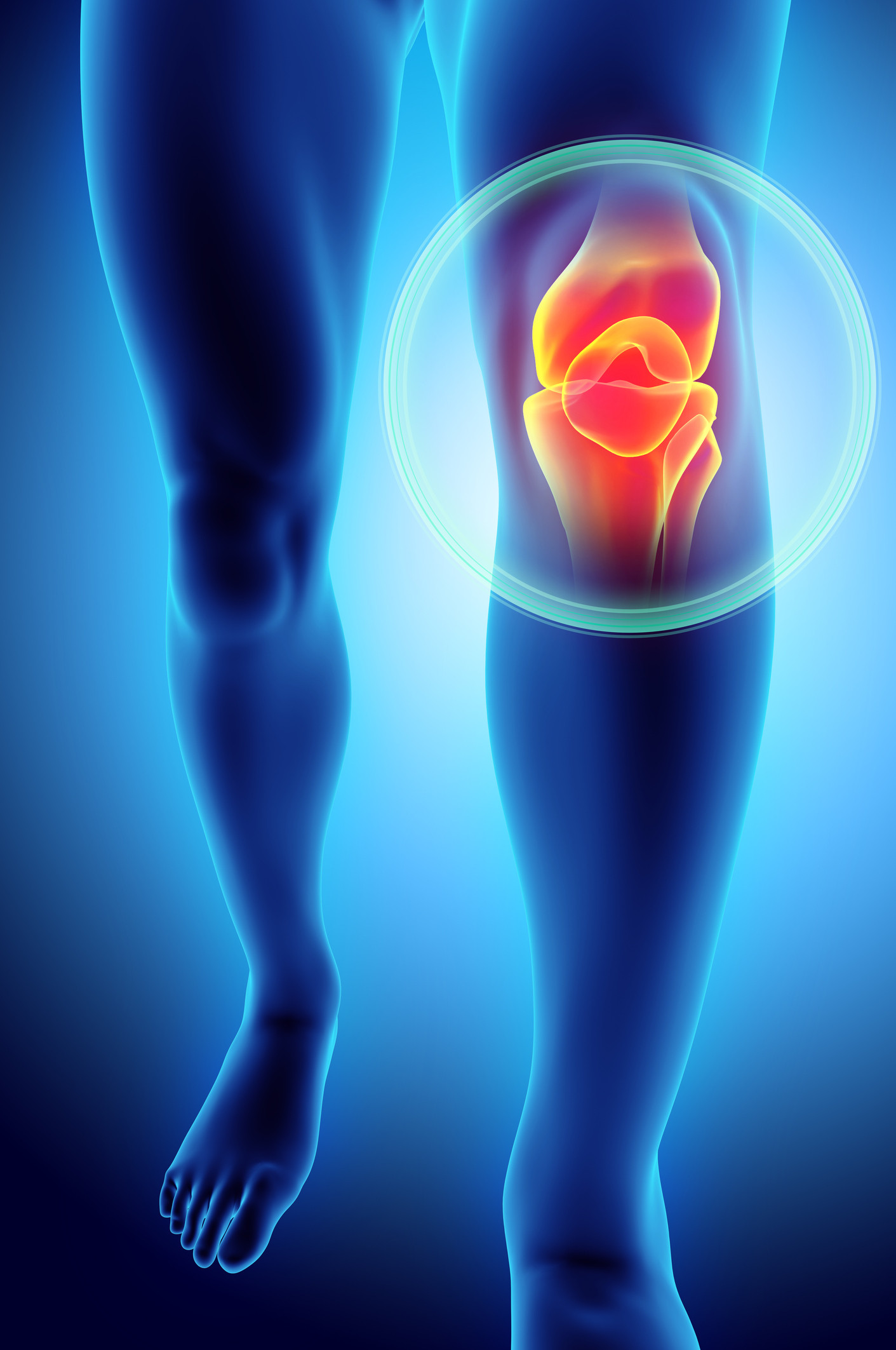
Can you virtually improve your knee pain?
A study of people with osteoarthritis of the knee found that at the end of the study period, those participants who received more personalized attention via the web (including physical therapy sessions and information about pain management) had less pain and better movement function.

Emergencies and First Aid - Removing a Speck From the Eye
Removing a Speck From the Eye
Occasionally, an eyelash or speck of dirt gets into the eye and causes irritation. If tears that form do not wash out the object, it can sometimes be removed by pulling the upper eyelid down over the lower eyelid. The lashes of the lower eyelid may brush out any foreign object that is caught under the upper lid.
If this does not work, try either of the procedures described below.
Ask the doctor: Why would I need Prolia?
Denosumab (Prolia) is recommended for people at high risk for fractures for whom other bone-loss treatments were ineffective or had intolerable side effects.

Ask the doctor: Do artificial sweeteners cause insulin resistance?
In preliminary research, sucralose and acesulfame potassium increased insulin levels, although more studies are necessary to determine whether they—or other artificial sweeteners—increase the risk of insulin resistance.
Hip bursitis vs. arthritis: How to tell the difference
Fitness for longevity: Which type matters most?
Ministrokes linked to elevated risk of dementia
Continuous glucose monitors benefit people who don't need insulin
CoQ10: Should you take this popular supplement if you're on a statin?
Microplastics: A hidden health threat?
Oat vs. dairy milk: Nutrition, benefits, and downsides
What is tempeh? Benefits, nutrition, and how to use it
Healing after food poisoning
Whole grains may improve several heart risk factors at once
Free Healthbeat Signup
Get the latest in health news delivered to your inbox!
Sign Up
