

Hip bursitis vs. arthritis: How to tell the difference

Fitness for longevity: Which type matters most?

Ministrokes linked to elevated risk of dementia

Continuous glucose monitors benefit people who don't need insulin

CoQ10: Should you take this popular supplement if you're on a statin?

Microplastics: A hidden health threat?

Oat vs. dairy milk: Nutrition, benefits, and downsides

What is tempeh? Benefits, nutrition, and how to use it

Healing after food poisoning

Whole grains may improve several heart risk factors at once
Osteoporosis Archive
Articles

Can stem cells treat eye disease?
Stem cell research has led to techniques to restore vision in animals and to grow new, healthy lenses in human babies born with cataracts.

Therapy beats drugs for chronic insomnia
The American College of Physicians recommends cognitive behavioral therapy for insomnia (CBT-I) as a first line of defense for chronic insomnia, instead of sleep medications.

Getting protection from bug-borne illnesses
This summer, it's especially important to take precautions against mosquitoes and ticks.
Image: Rene Drouyer/Thinkstock
You're no doubt aware that a mosquito bite can transmit the Zika virus and that pregnant women infected with the virus may have babies with microcephaly—incomplete brain development. Although Zika is getting the most attention this summer, mosquitoes and ticks carrying the pathogens responsible for other conditions, including West Nile fever, Lyme disease, encephalitis, and Rocky Mountain spotted fever, are still at large in areas of the United States.
While scientists work to develop vaccines against these illnesses, the best protection is still prevention. "One thing everyone can do is to reduce their risk of exposure," says Dr. Mary E. Wilson, adjunct associate professor of global health and population at the Harvard T.H. Chan School of Public Health. Getting the best protection depends on the type of bug you're protecting yourself against.

Don’t accept a diminished sex life as a “side effect” of illness
Living with a chronic condition or as a survivor of cancer or a heart attack needn't take a toll on intimate relationships.
Image: Jack Hollingsworth/Thinkstock
Strategically timing when you take pain medication can make sex more comfortable.
Sexual satisfaction is an important part of well-being, yet women who have been successfully treated for cancer or are living with chronic conditions often accept a diminished sex life as a trade-off for being alive. "Women with cancer go through surgery, chemotherapy, and radiation in order to be alive, but once they're through treatment they may not feel as though they are really living to the fullest," says Dr. Sharon Bober, a psychologist at Harvard-affiliated Dana-Farber Cancer Institute. Women with cardiovascular disease, diabetes, and arthritis may also feel that their health issues have eroded their intimate relationships.
Endometriosis linked to increased risk of heart disease
Women who have a history of endometriosis—a risk factor for cardiovascular disease—should take measures to reduce their other cardiovascular risk factors.


The truth about tequila and your bones
You may have seen the recent headlines proclaiming that tequila is good for bone health. While that sounds appealing to many, the truth is that there are many caveats to the study behind those headlines. This latest story is just one example of news articles that proclaim our favorite foods, like coffee and chocolate, are actually good for us. As with all these stories, it’s important to look deeper than the flashy headline.
What to do about a high blood pressure diagnosis
A high blood pressure diagnosis can come as a shock due to a lack of symptoms, but the condition is manageable. Dr. Naomi Fisher explains what to do after you are diagnosed.
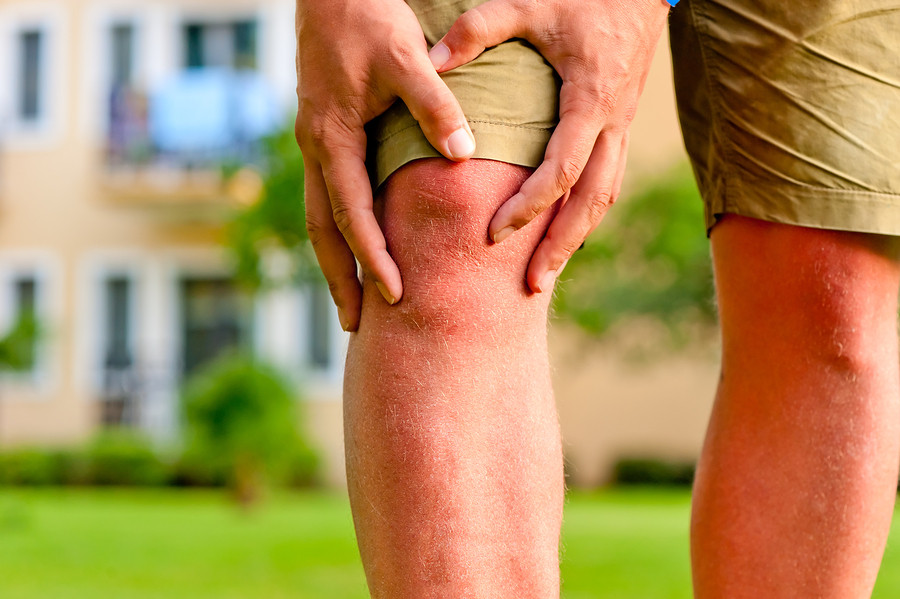
Joint pain...is it osteoarthritis?
Your knee aches from time to time. Or maybe your fingers don't seem as nimble as they used to be. Could it be osteoarthritis?
Osteoarthritis, the most common form of arthritis, develops when cartilage, the flexible tissue lining the joints, deteriorates. As a result, the space between bones gradually narrows and the bone surfaces change shape. Over time, this leads to joint damage and pain.

Hip bursitis vs. arthritis: How to tell the difference
Fitness for longevity: Which type matters most?
Ministrokes linked to elevated risk of dementia
Continuous glucose monitors benefit people who don't need insulin
CoQ10: Should you take this popular supplement if you're on a statin?
Microplastics: A hidden health threat?
Oat vs. dairy milk: Nutrition, benefits, and downsides
What is tempeh? Benefits, nutrition, and how to use it
Healing after food poisoning
Whole grains may improve several heart risk factors at once
Free Healthbeat Signup
Get the latest in health news delivered to your inbox!
Sign Up
