

Hip bursitis vs. arthritis: How to tell the difference

Fitness for longevity: Which type matters most?

Ministrokes linked to elevated risk of dementia

Continuous glucose monitors benefit people who don't need insulin

CoQ10: Should you take this popular supplement if you're on a statin?

Microplastics: A hidden health threat?

Oat vs. dairy milk: Nutrition, benefits, and downsides

What is tempeh? Benefits, nutrition, and how to use it

Healing after food poisoning

Whole grains may improve several heart risk factors at once
Osteoporosis Archive
Articles
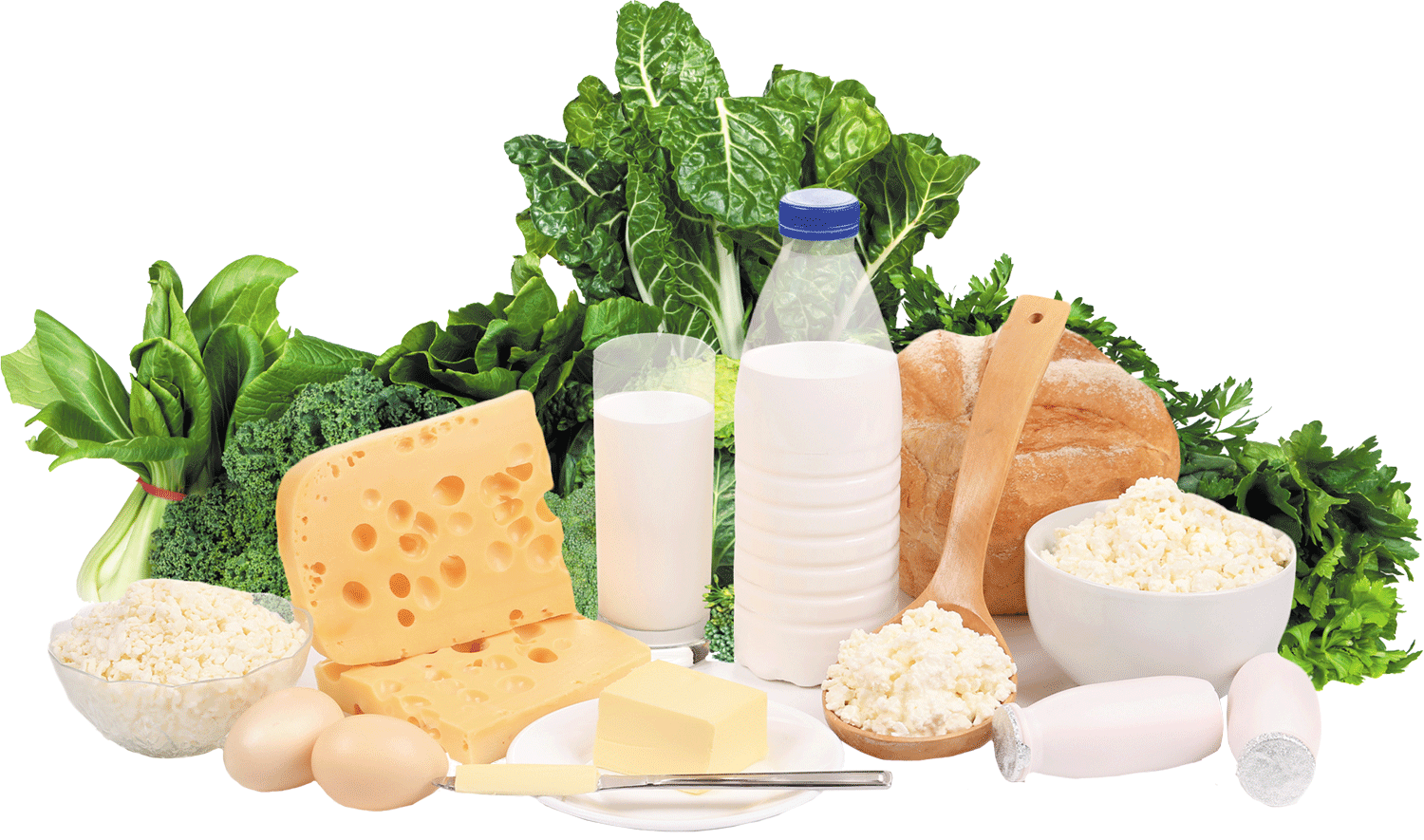
Calcium supplements for bone health: Do you really need them?
Image: Thinkstock
Calcium is required for good health, and you can obtain most of what you need from common foods.
Calcium builds strong bones—right? In general that's true, because calcium forms the bricks and mortar of bones. That's why you need to take in sufficient calcium from your diet to replace worn-out bone as you age. Being deficient in calcium can weaken bones, leaving them more prone to breaking. Vitamin D is the helpmate to calcium, allowing the body to absorb more of the mineral during digestion.

Will Prozac help my premenstrual depression?
Ask the doctor
Q. I've had some severe bouts of depression before my periods. I have done my own research and I am willing to try an antidepressant. What dosage of Sarafem or Prozac is usually given to treat this?
A. Selective serotonin reuptake inhibitors (SSRIs) are an excellent option for treating premenstrual syndrome (PMS) and premenstrual dysphoric disorder (PMDD). In fact, most physicians now consider them first-line therapy. Many different SSRIs have been studied, including the one you asked about—fluoxetine (Prozac or Sarafem)—and they all appear to be equally effective.
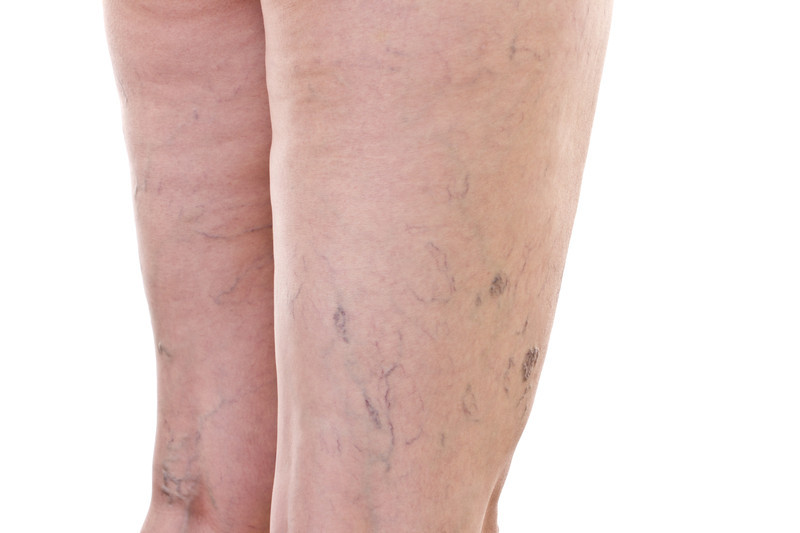
Vanquishing varicose veins
Image: Bigstock
The raised, tortuous vessels may be controlled with support hose, and they can be eradicated in a quick, outpatient procedure.
Varicose veins are one cardiovascular condition that usually isn't considered serious or life-threatening. Around half of all women have them, and most regard them as a cosmetic annoyance. However, they can be responsible for swollen legs, skin changes, and the development of leg ulcers.

Study suggests tai chi improves life for people with chronic health problems
Image: Thinkstock
Research we're watching
An analysis published online Sept. 17, 2015, by the British Journal of Sports Medicine suggests that doing tai chi enhances the quality of life for people with common chronic conditions.
Researchers analyzed data from 33 studies involving nearly 1,600 adults. Most were in their 60s or 70s, and all had one or more chronic conditions: osteoarthritis, breast cancer, heart failure, or chronic obstructive pulmonary disease (COPD). All 290 participants in the breast cancer studies were women. There were 452 women (85% of participants) in the arthritis studies, 76 (16%) in the heart failure studies, and 92 (19%) in the COPD studies.
Ask the doctor: Do I need gallbladder surgery?
Q. I've been having abdominal pain that may be due to gallstones. Is surgery the best solution, or are there other things I can try first?
A. The first thing to determine is whether your abdominal pain is in fact due to gallstones. They typically cause pain on the upper right side or in the center of the abdomen just below the breastbone that radiates to the back or right shoulder. The pain is often brought on by eating—especially fatty foods—or may occur at night. Sometimes gallstone pain is accompanied by sweating, bloating, nausea, or vomiting.
Research we're watching: Small study shows little bone benefit from recommended dose of vitamin D
Although vitamin D is essential to bone health, a controlled clinical trial published online by JAMA Internal Medicine on Aug. 3, 2015, found that vitamin D supplements didn't build bone in postmenopausal women with blood levels of vitamin D below the 30-ng/mL threshold generally considered necessary for good health. Researchers at the University of Wisconsin randomly assigned 230 women to three groups: one got 800 IU of vitamin D daily and a placebo twice a month; one got a placebo daily and 50,000 IU of vitamin D twice a month; the third got placebos both daily and twice a month. The study lasted a year. The researchers found that neither dose of vitamin D had a significant effect on bone mass, falls, or fractures.
The Wisconsin study may not have used the right doses of vitamin D or lasted long enough to show an effect. One ongoing study, The Vitamin D and Omega-3 Trial (VITAL), is large enough to demonstrate even small-to-moderate benefits of vitamin D supplementation. VITAL is evaluating a 2,000-IU daily dose for five years in 26,000 women and men. The results are expected in 2017. Until then, it's still important to get the recommended daily dose of vitamin D: 600 IU for adults through age 70 and 800 IU for people ages 71 or older
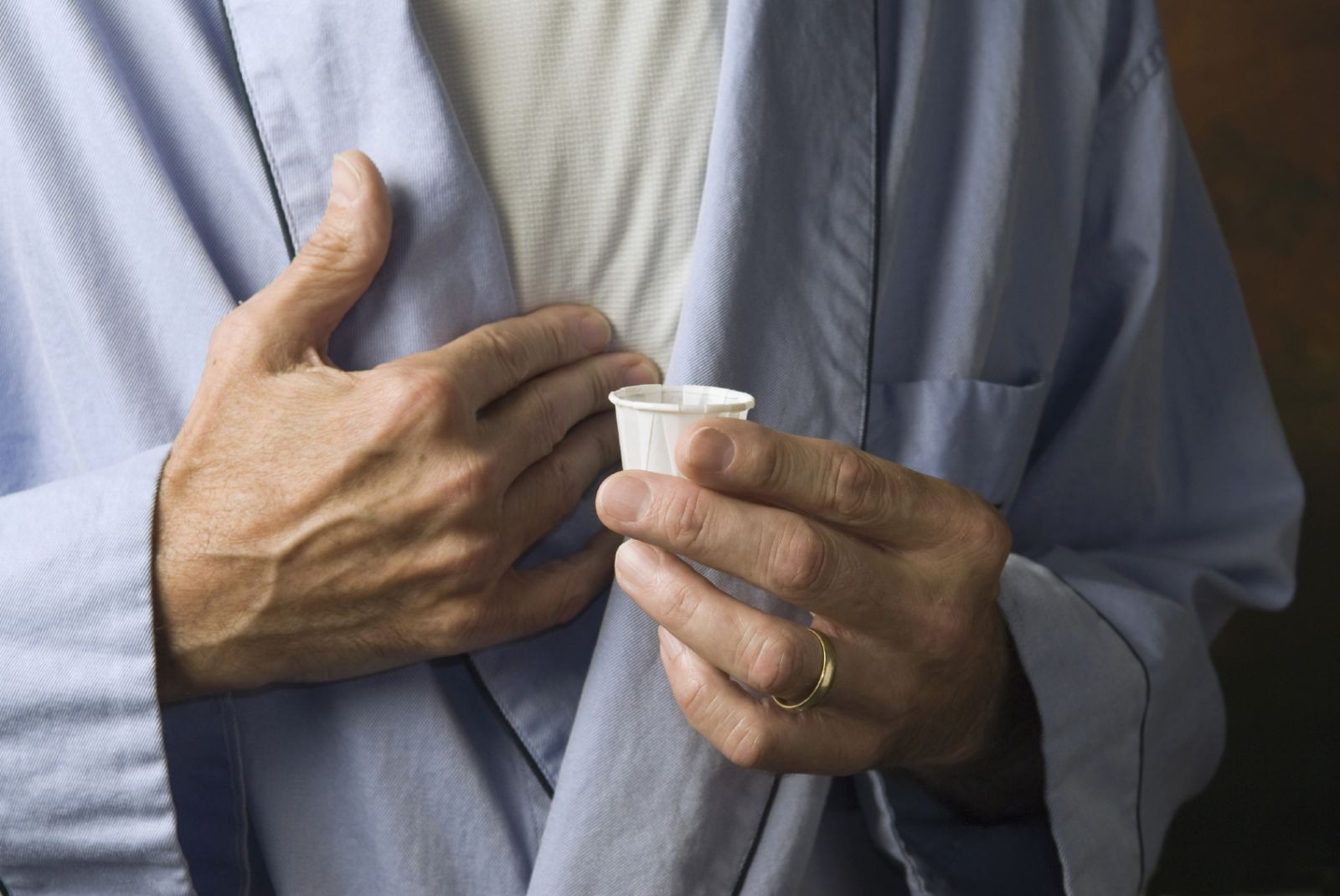
Is your heartburn pill working for you?
| Image: iStock |
For optimal results, you need to take your medication regularly and time it correctly to your meals.
Have you tried to cool the burning discomfort of heartburn with medication and failed to get full relief? If so, a few simple adjustments to optimize your treatment may be all you need.
Cardioversion for afib
Ask the doctor
Q. I am scheduled for an electrical cardioversion for my atrial fibrillation. What should I expect?
A. Electrical cardioversion is a procedure to convert a fast or irregular heartbeat (such as what happens with atrial fibrillation, or afib) to a normal rhythm. Before the procedure, your cardiologist may recommend a special ultrasound test of your heart to check for blood clots. Cardioversion may dislodge any clots, which can be life-threatening. So if clots are found, the procedure may be delayed for a few weeks, so you can take blood-thinning medications to lower your risk of complications such as stroke.
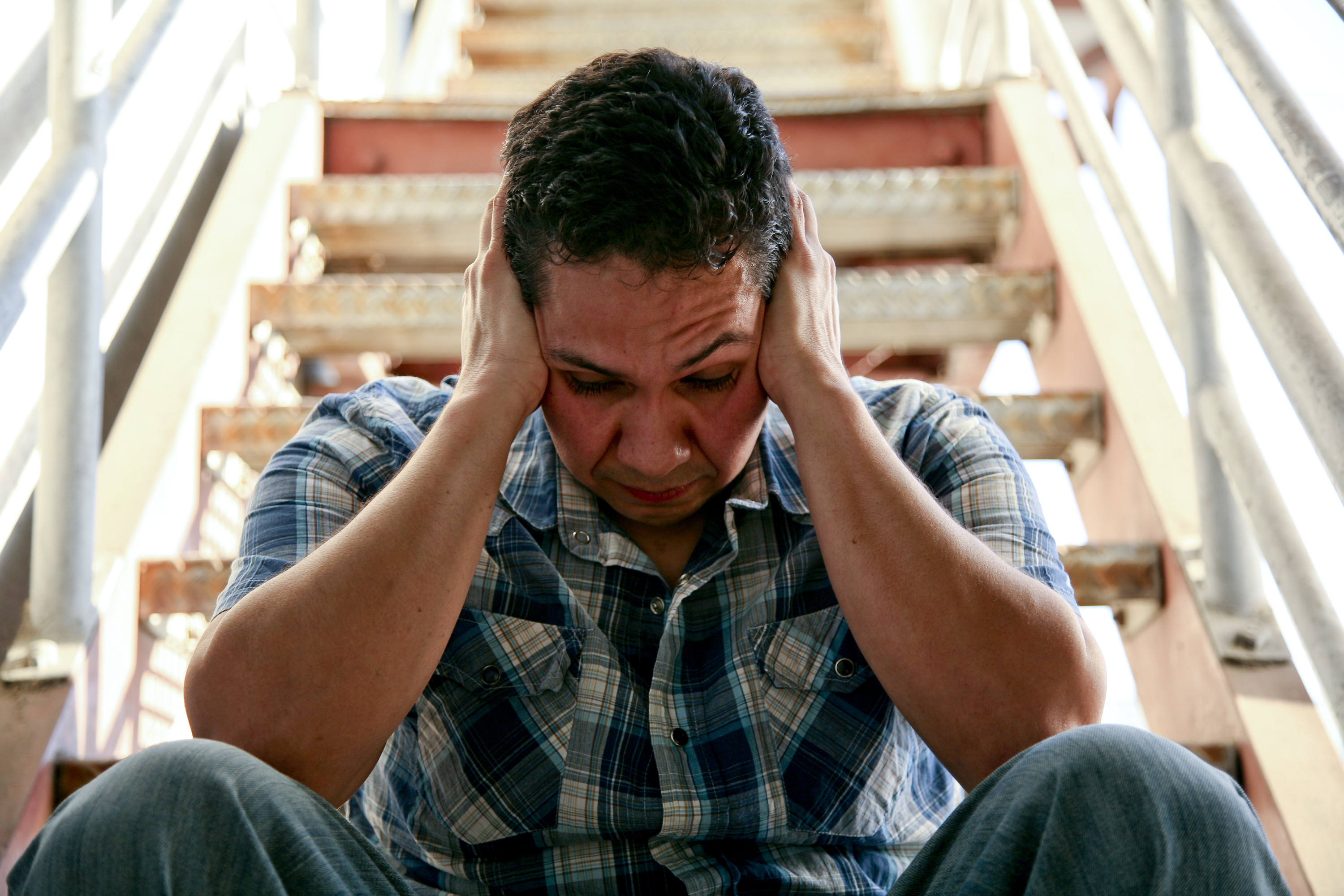
Can depression worsen RA symptoms or make treatment less effective?
Depression is fairly common among people suffering with rheumatoid arthritis (RA). Recent research suggests that depression may worsen RA symptoms and even make medications less effective. To date, the studies that indicate a connection between the severity of RA symptoms and depression have not been conclusive, so more research is needed. In the meantime, if you have RA and notice signs of depression, be sure to talk with your doctor.
Hip bursitis vs. arthritis: How to tell the difference
Fitness for longevity: Which type matters most?
Ministrokes linked to elevated risk of dementia
Continuous glucose monitors benefit people who don't need insulin
CoQ10: Should you take this popular supplement if you're on a statin?
Microplastics: A hidden health threat?
Oat vs. dairy milk: Nutrition, benefits, and downsides
What is tempeh? Benefits, nutrition, and how to use it
Healing after food poisoning
Whole grains may improve several heart risk factors at once
Free Healthbeat Signup
Get the latest in health news delivered to your inbox!
Sign Up
