

Hip bursitis vs. arthritis: How to tell the difference

Fitness for longevity: Which type matters most?

Ministrokes linked to elevated risk of dementia

Continuous glucose monitors benefit people who don't need insulin

CoQ10: Should you take this popular supplement if you're on a statin?

Microplastics: A hidden health threat?

Oat vs. dairy milk: Nutrition, benefits, and downsides

What is tempeh? Benefits, nutrition, and how to use it

Healing after food poisoning

Whole grains may improve several heart risk factors at once
Osteoporosis Archive
Articles

Essential stretches to fight stiff winter muscles
Cold weather can lead to stiff, sore muscles. To avoid that, it helps to perform two types of stretches. One type is called dynamic stretching. It involves flowing, repetitive motions that prepare muscles for activity by getting blood, oxygen, and heat to them. The other type is called static stretching. It involves holding a certain position for 20 to 30 seconds, which gently lengthens the muscles to keep them flexible. Static stretching should be performed only after the muscles are warmed up.

Ever hear of tonsil stones?
Tonsil stones are small white or yellow deposits on the tonsils. They develop when bacteria, saliva, food particles, and debris from cells lining the mouth get trapped in tiny indentations on the tonsils. While usually harmless, they can cause bad breath and sore throats.

Harvard Health Ad Watch: Got side effects? There's a medicine for that
Tardive dyskinesia (TD) is a condition marked by involuntary movements of the face or limbs, caused by long-term use of certain drugs, many of which are for mental health conditions. An ad for a once-daily drug to treat TD leaves some important questions unanswered.


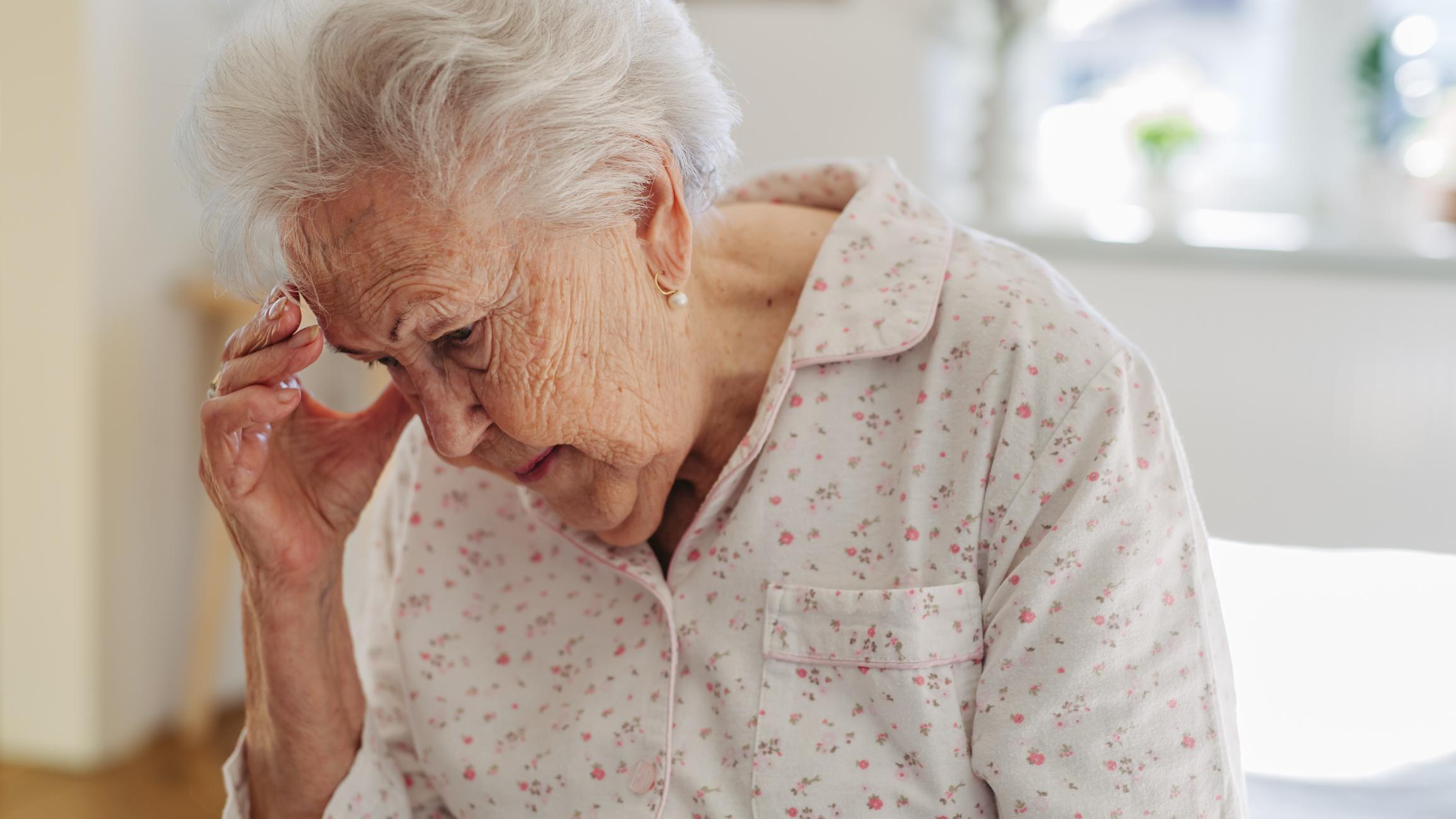

Restless legs syndrome on the radar
Restless legs syndrome (RLS) affects up to 10% of Americans and twice as many women as men. Risk factors include age, genetics, iron-deficiency anemia, and pregnancy. A variety of therapies can alleviate symptoms, which are dominated by creepy-crawly, sometimes painful leg sensations that tend to strike around bedtime. The American Academy of Sleep Medicine recommended in March 2024 to stop using dopamine-boosting drugs as first-line therapy for RLS; it should be taken only by patients whose symptoms don't respond to other treatments.

How did I break a blood vessel in my eye?
A subconjunctival hemorrhage is a broken blood vessel in the eye. It's usually not serious and resolves on its own within two weeks. People who also experience eye pain or vision changes may have an eye infection and should see a doctor.

Unraveling dizziness
Bouts of dizziness can be unsettling sensations that may last only a few seconds or linger for several minutes or even longer. Episodes may be isolated or recurrent. Many people have a difficult time articulating what they experience when they say they feel dizzy, because the term encompasses a range of sensations like lightheadedness, wooziness, unsteadiness, or spinning. To help identify the cause, people should first consider whether they are experiencing primarily lightheadedness or vertigo.
Hip bursitis vs. arthritis: How to tell the difference
Fitness for longevity: Which type matters most?
Ministrokes linked to elevated risk of dementia
Continuous glucose monitors benefit people who don't need insulin
CoQ10: Should you take this popular supplement if you're on a statin?
Microplastics: A hidden health threat?
Oat vs. dairy milk: Nutrition, benefits, and downsides
What is tempeh? Benefits, nutrition, and how to use it
Healing after food poisoning
Whole grains may improve several heart risk factors at once
Free Healthbeat Signup
Get the latest in health news delivered to your inbox!
Sign Up
