

Hip bursitis vs. arthritis: How to tell the difference

Fitness for longevity: Which type matters most?

Ministrokes linked to elevated risk of dementia

Continuous glucose monitors benefit people who don't need insulin

CoQ10: Should you take this popular supplement if you're on a statin?

Microplastics: A hidden health threat?

Oat vs. dairy milk: Nutrition, benefits, and downsides

What is tempeh? Benefits, nutrition, and how to use it

Healing after food poisoning

Whole grains may improve several heart risk factors at once
Osteoporosis Archive
Articles

New thinking on glaucoma treatment
Some people with newly diagnosed mild to moderate open-angle glaucoma have another option for first-line treatment. Instead of using prescription eye drops initially, they can have a laser procedure called selective laser trabeculoplasty (SLT). SLT uses light pulses to help clean up debris clogging the eye's natural drains. Clogged drains lead to elevated eye pressure that damages the optic nerve. SLT's effects wane after three to five years, at which point it may be necessary to have the procedure again, or to begin using eye drops to treat glaucoma.

3 common mouth problems and how to cope with them
Mouth conditions unrelated to the teeth can cause discomfort and affect mouth function. Examples include canker sores, dry mouth, and thrush. Canker sores are painful ulcers that develop in the lining of the mouth or gums. Chronic dry mouth is a lack of saliva. Thrush is an overgrowth of the fungus Candida albicans that appears in the mouth as white patches or sores. Treatment for these conditions may involve simple therapies to try at home or prescription treatments.

Relieve low back pain with stretching
Stretching the muscles that support the spine can help alleviate persistent or recurring low back pain. The muscles to stretch include the erector spinae muscles along the spine, the iliopsoas muscles connecting the spine to the lower limbs, and the abdominal muscles in the front of the body that help prop up the torso. Other muscles that support the back include those in the front of the hips, back of the thighs, and buttocks. An example of a back stretch is lying on a bed and pulling the legs close to the chest for half a minute.
More fallout from COVID-19
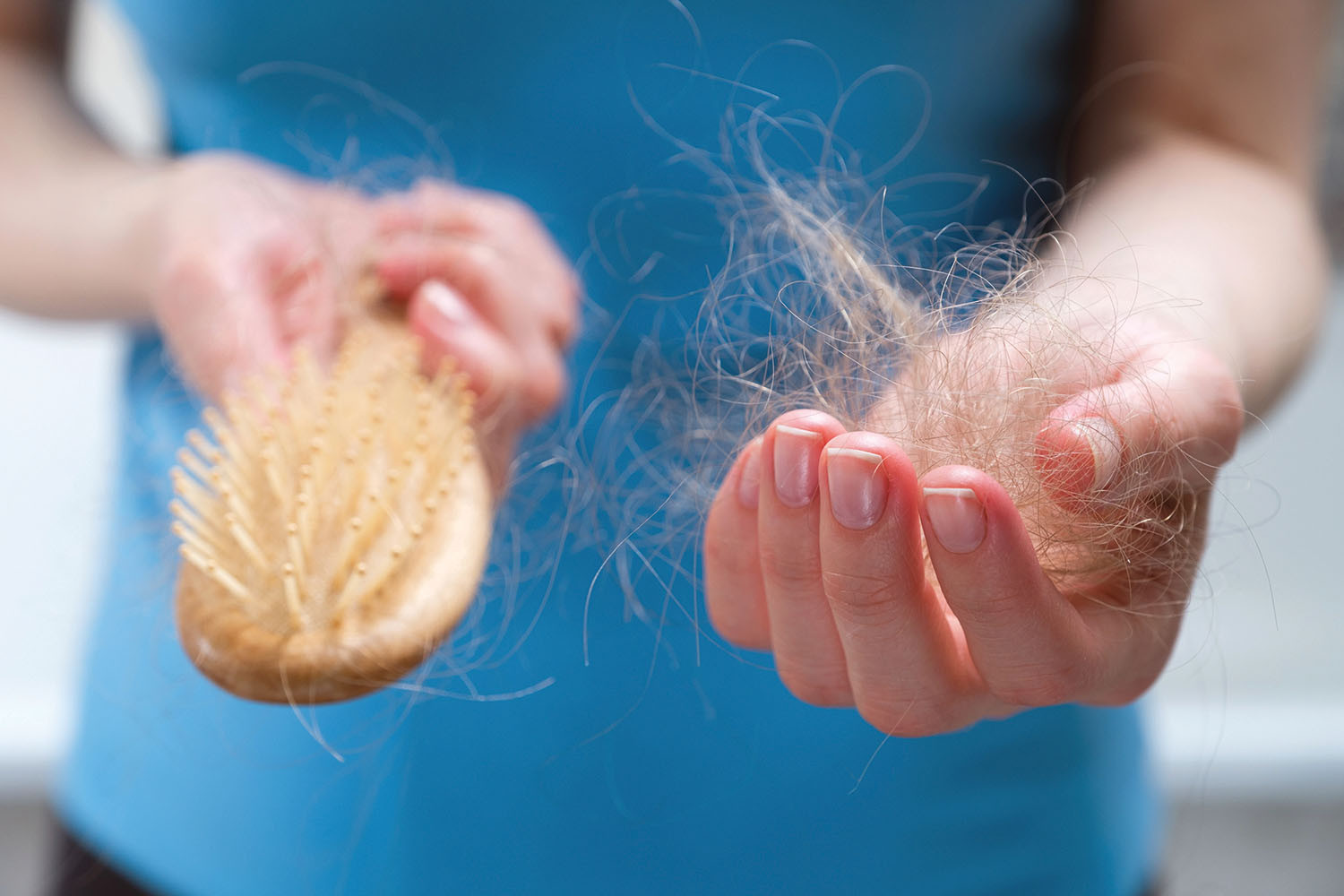
Hair loss is common in the months after recovering from COVID-19 infection. It can also happen in people with long COVID or because of mental stress from the pandemic. COVID-related hair loss is a form of telogen effluvium, a condition in which normal hair shedding ramps up after intense physical or mental trauma. Hair regrowth usually takes six to 12 months. People can speed and support hair regrowth by avoiding harsh hair habits, checking nutrient levels, and applying minoxidil (Rogaine) to the scalp.

Enhanced flu vaccine suggested for older adults
Influenza vaccines that contain higher doses and extra ingredients (adjuvants) to boost their effectiveness can provide better protection than the standard flu vaccine for adults ages 65 and older, according to the CDC, and are recommended for the upcoming flu season.

Harvard Health Ad Watch: A new injection treatment for eczema
Existing treatments for a type of eczema called atopic dermatitis include creams and ointments, some containing steroids. An ad for a new injected medication pitches its skin-clearing capability, but that isn't the whole story.

Who needs treatment for ocular hypertension?
High pressure in the eyes puts a person at greater risk of developing glaucoma, but does everyone with higher than normal eye pressure need to be treated? A major long-term study provides some clues.

Palliative care frightens some people: Here's how it helps
Palliative care is a medical specialty meant to help people during many different stages of health. Many people who might benefit from palliative care do not receive it; if more people understand it, more people can take advantage of it.

Proton-pump inhibitors: Should I still be taking this medication?
Proton-pump inhibitors are a commonly prescribed anti-acid medication, but new guidelines from the American Gastroenterological Association recommend that they should be taken at the lowest dose and shortest duration for the condition being treated.

Punch up your fitness
Non-contact boxing has been shown to help many people with Parkinson's disease improve their balance, hand-eye coordination, mental focus, muscle strength, and body rhythm. Older adults also can benefit from this type of exercise, as they face many of the same physical and mental challenges as they age. Most boxing fitness workouts are done using punching bags and hitting oversized boxing mitts worn by coaches. The moves involve punches and sequences based on crosses, hooks, uppercuts, and jabs.
Hip bursitis vs. arthritis: How to tell the difference
Fitness for longevity: Which type matters most?
Ministrokes linked to elevated risk of dementia
Continuous glucose monitors benefit people who don't need insulin
CoQ10: Should you take this popular supplement if you're on a statin?
Microplastics: A hidden health threat?
Oat vs. dairy milk: Nutrition, benefits, and downsides
What is tempeh? Benefits, nutrition, and how to use it
Healing after food poisoning
Whole grains may improve several heart risk factors at once
Free Healthbeat Signup
Get the latest in health news delivered to your inbox!
Sign Up
