

Hip bursitis vs. arthritis: How to tell the difference

Fitness for longevity: Which type matters most?

Ministrokes linked to elevated risk of dementia

Continuous glucose monitors benefit people who don't need insulin

CoQ10: Should you take this popular supplement if you're on a statin?

Microplastics: A hidden health threat?

Oat vs. dairy milk: Nutrition, benefits, and downsides

What is tempeh? Benefits, nutrition, and how to use it

Healing after food poisoning

Whole grains may improve several heart risk factors at once
Osteoporosis Archive
Articles
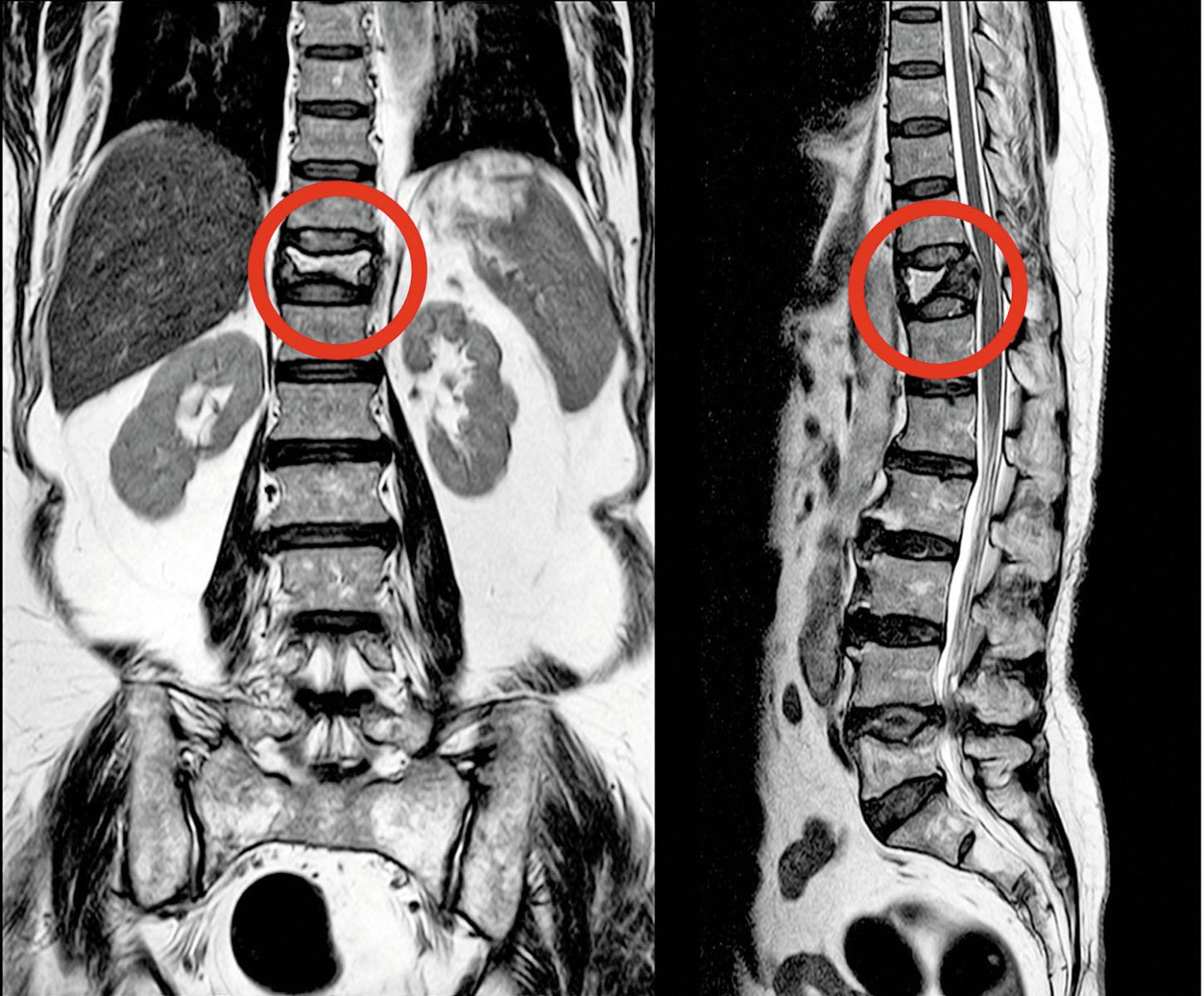
A broken back without the fall
Don't ignore back pain, height loss, or osteoporosis. They could be signs of a compression fracture.
You didn't fall, and you didn't do anything strenuous. So it may come as a surprise when the bad back pain you've been experiencing turns out to be one or more broken bones in your back. "A common story is that someone bends down to put something in the dishwasher or steps off a curb a little hard and puts additional load on their spine. The weakened bone is not adequate to take that load, and it collapses," says Dr. Julia Charles, a rheumatologist and bone cell researcher at Harvard-affiliated Brigham and Women's Hospital.
What weakens the spine?
Your spine contains about 30 bones called vertebrae, stacked on top of each other like a roll of quarters. Each vertebra consists of an external bone surface (like plaster), and an inside filled with a honeycomb of support rods called trabeculae.

New thinking on peripheral neuropathy
Nerve damage might be causing everything from low blood pressure to gastrointestinal distress without your knowing it.
Doctors have long known peripheral neuropathy as a nerve condition that causes reduced sensation, tingling, weakness, or pain in the feet and hands. But those symptoms may be just the tip of the iceberg. Doctors are now learning that neuropathy can cause many more problems.
What is peripheral neuropathy?
Peripheral neuropathy refers to damage to the peripheral nerves throughout the body. These nerves carry messages to and from the brain.
Is shingles contagious?
Ask the doctors
Q. I understand that shingles is caused by a virus. Does that mean that shingles is contagious?
A. Yes and no. If you had chickenpox when you were a child, you are at risk for shingles. Shingles occurs when the varicella-zoster virus that caused your chickenpox re-emerges after lying dormant in your nerve cells from the time of your original illness. When this occurs, you are contagious, but you can't give someone shingles. You can, however, infect people with chickenpox if they haven't been exposed to the virus in the past and haven't been vaccinated against it. For this reason, it's important to take precautions, particularly if you are close to someone who has a weakened immune system.

Beware of bats to avoid rabies infection
Research we're watching
Rabies infections are extremely rare in the United States, with only approximately one to three cases seen each year. That number has dropped significantly since the 1930s and 40s when there were 30 to 50 cases during the average year. But when they do occur, they're typically transmitted by infected bats. According to a new report by the CDC, the majority of people who have died from rabies in the United States were infected through contact with a bat. This is the case even though bats represent only one-third of the 5,000 rabid animals typically seen in the United States each year. The second most common source for rabies infections in Americans is rabid dogs encountered when people are traveling overseas.
To prevent exposure to rabies, be certain to let your doctor know if you are scratched or bitten by a bat, or if you awaken with one flying around your house or bedroom, says the CDC. If you are exposed to rabies, your doctor can administer a series of shots (known as post-exposure prophylaxis) before you develop symptoms, which can prevent you from developing a rabies infection, which is almost always fatal. If you are traveling outside the United States, be aware that dogs may carry the infection.
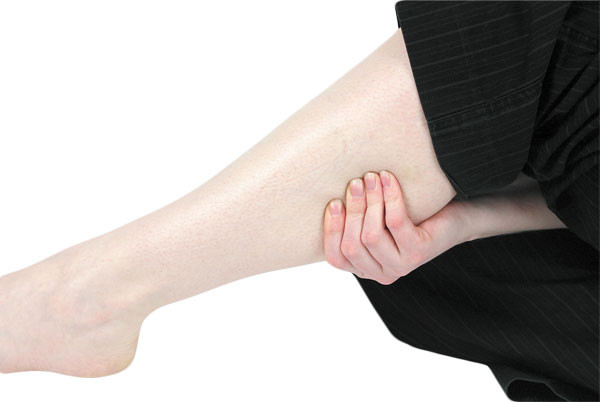
Will tonic water prevent nighttime leg cramps?
Ask the doctor
Image: Karl Rosencrants/ Thinkstock
Q. It's been suggested that drinking 2 to 3 ounces of tonic water before bedtime can prevent leg cramps at night. Is that true?
A. Tonic water—and the quinine it contains—have been promoted for preventing leg cramps for decades despite the lack of evidence that they are effective. Quinine is FDA-approved only for treating malaria and is sold with a warning against using it to treat leg cramps or muscle pain, because it increases the risk of bleeding and heart rhythm disturbances. Tonic water contains no more than 83 mg of quinine per liter—a much lower concentration than the 500 to 1,000 mg in the therapeutic dose of quinine tablets. Drinking a few ounces of tonic water shouldn't be harmful, but it isn't likely to prevent your leg cramps.


Self-help steps to get through hemorrhoid flare-ups
Hemorrhoids are common and can be extremely painful and uncomfortable during occasional flare-ups. These swollen blood vessels on the outer rectum and anus can bleed and turn bowel movements into intensely painful experiences. But simple hemorrhoid self-help measures can ease the ordeal of most hemorrhoids and allow healing. Dr. Jacqueline Wolf, a gastroenterologist and associate professor of medicine at Harvard-affiliated Beth Israel Deaconess Medical Center, suggests some effective steps you can take to care for hemorrhoids—and when it's time to seek out a procedure to remove them.
Step up the fiber
Hemorrhoids come in two varieties. The internal type sprout from within the rectum. External hemorrhoids develop on the anus itself. Either way, passing stools by hemorrhoids may cause pain and bleeding.

Is fibromyalgia hereditary?
Ask the doctors
Q. My mother has fibromyalgia, and I think I'm starting to experience similar symptoms. Is fibromyalgia hereditary?
A. Yes. Fibromyalgia, a chronic pain condition that affects some six million or more Americans, can run in families. In fact, one of the most important risk factors for fibromyalgia is a family history of the disorder. Fibromyalgia is sometimes known to affect multiple members of the same family. Your risk rises if you have a first-degree relative — a parent, a brother, sister, or child — with the condition.
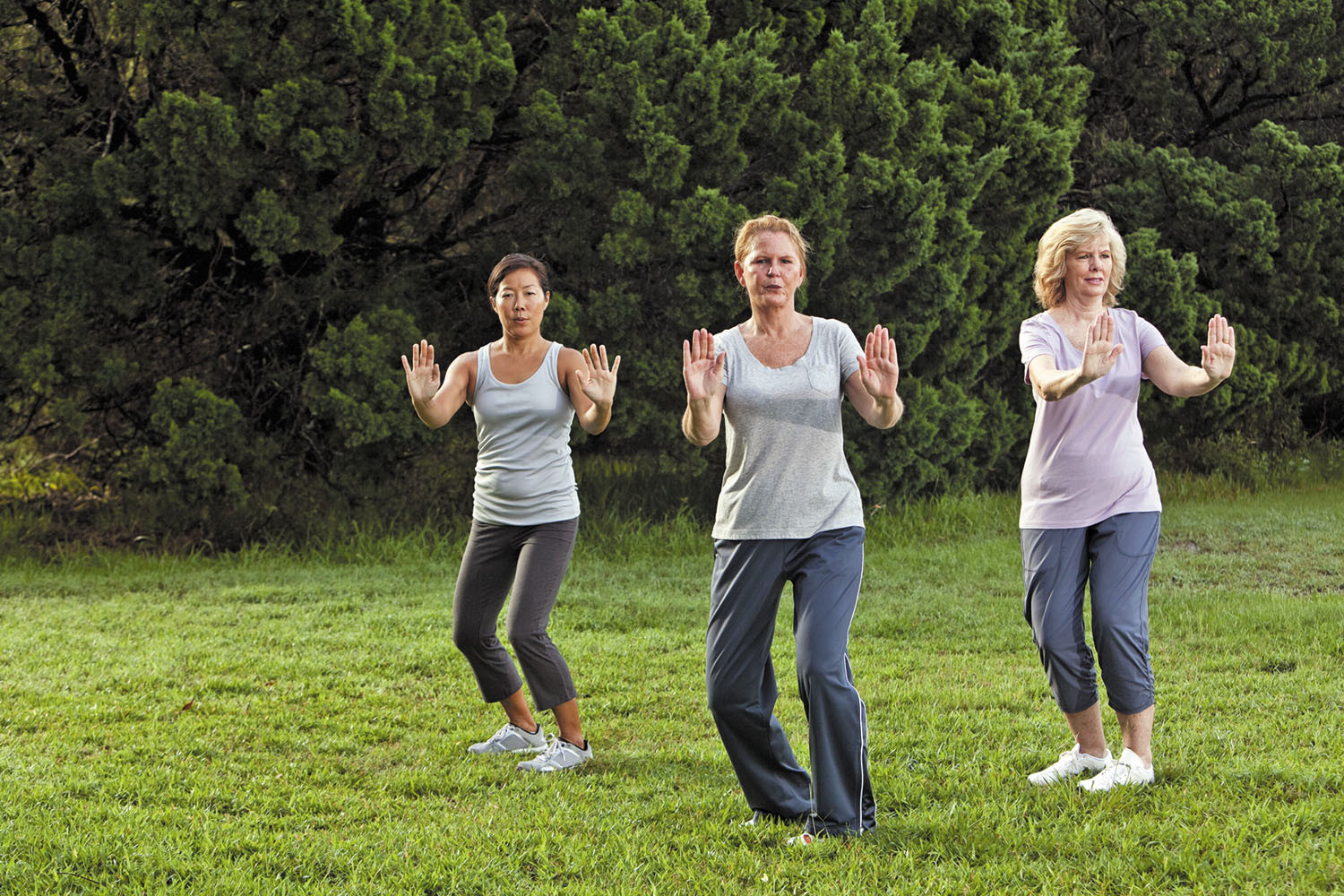
Is exercise good for arthritis?
Ask the doctors
Q. I have arthritis and my doctor recommended I start exercising, but I'm worried it will make my pain worse. Should I follow her advice?
A. Yes, your doctor is right. Although it may seem counterintuitive to move more when your joints hurt, studies have shown that exercise can reduce arthritis-related pain, fatigue, and stiffness. Exercise is also important for your overall health and can help reduce your risk of heart disease, obesity, and diabetes.

Are sunstroke and heatstroke the same?
On call
Q. Is there any difference between sunstroke and heatstroke and are there certain signs and symptoms I should look for?
A. These two terms refer to the same condition. Heatstroke (or sunstroke) happens when the body can no longer maintain a temperature of under 105° F when exposed to hot weather. People almost always have warning symptoms before heatstroke, yet sometimes they do not pay attention, or are not able to take action.
Hip bursitis vs. arthritis: How to tell the difference
Fitness for longevity: Which type matters most?
Ministrokes linked to elevated risk of dementia
Continuous glucose monitors benefit people who don't need insulin
CoQ10: Should you take this popular supplement if you're on a statin?
Microplastics: A hidden health threat?
Oat vs. dairy milk: Nutrition, benefits, and downsides
What is tempeh? Benefits, nutrition, and how to use it
Healing after food poisoning
Whole grains may improve several heart risk factors at once
Free Healthbeat Signup
Get the latest in health news delivered to your inbox!
Sign Up
