

Hip bursitis vs. arthritis: How to tell the difference

Fitness for longevity: Which type matters most?

Ministrokes linked to elevated risk of dementia

Continuous glucose monitors benefit people who don't need insulin

CoQ10: Should you take this popular supplement if you're on a statin?

Microplastics: A hidden health threat?

Oat vs. dairy milk: Nutrition, benefits, and downsides

What is tempeh? Benefits, nutrition, and how to use it

Healing after food poisoning

Whole grains may improve several heart risk factors at once
Osteoporosis Archive
Articles
What is ALS?
Ask the doctor
Q. A friend says that the worst disease of all is ALS. What is it?
A. What makes a disease the "worst?" For many, it would be a disease that robs them of their mind. For others, it would be a disease that creates constant pain. For still others, it would be a disease that makes them unable to care for themselves or to control their bodily functions — in full view of their family and closest friends.

Feeling woozy when you stand?
It might be orthostatic hypotension, a condition that can be challenging to catch and treat.
You stand up and suddenly feel unsteady on your feet. It's easy to brush off this experience as a fluke or a bug, but don't. You may have a condition called orthostatic hypotension, a temporary drop in blood pressure when you stand. It's tricky to catch.
"Blood pressure is highly variable, and depends on position, timing, the method of measurement, and circumstances associated with its measurement," says Dr. Lewis Lipsitz, chief of gerontology at Harvard-affiliated Beth Israel Deaconess Medical Center and director of the Marcus Institute for Aging Research at Hebrew SeniorLife. "It may take multiple blood pressure measurements at different times of day, lying and standing, in order to detect orthostatic hypotension," Dr. Lipsitz says.
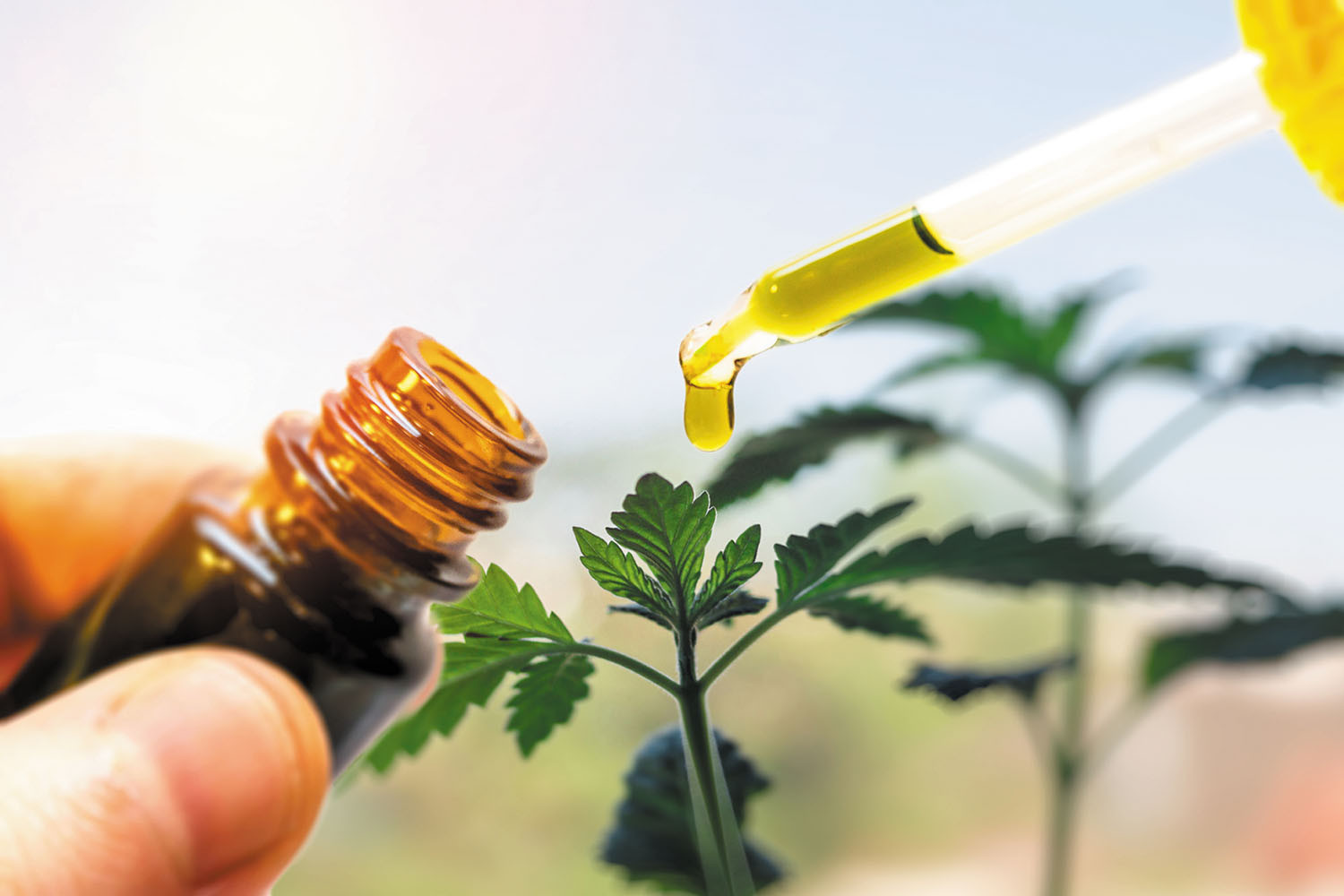
Answers to the top questions about cannabis extract
Sales of cannabidiol-infused products are expected to top $2 billion by 2021. But is CBD right for you?
Cannabidiol (CBD) is touted as a natural wonder that can help treat symptoms of everything from anxiety to arthritis pain. The plant extract comes from two varieties of cannabis — hemp and marijuana — and is available in creams, tinctures, oils, patches, gummy bears, capsules, and more. You can even add CBD to a latte if you walk into a coffee shop in some cities.
But is CBD safe for older adults? There haven't been a lot of large studies of CBD's safety, but more traditional medicines for pain and anxiety are not free of adverse effects, either. "I think CBD is likely safer than many other treatments people use for pain, insomnia, or anxiety," says Dr. Peter Grinspoon, a primary care physician with Harvard-affiliated Massachusetts General Hospital. Other physicians don't think we know enough about the safety profile of CBD to be sure.

Should I worry about a twitching eyelid?
On call
Q. Lately, my eyelid has begun to twitch for no reason. It comes and goes, but is this a sign of a serious problem?
A. I suspect you are referring to the situation in which a few of the muscle fibers of the eyelid seem to contract in an irregular and random fashion. While it feels strange, it is almost never a sign of a serious problem.
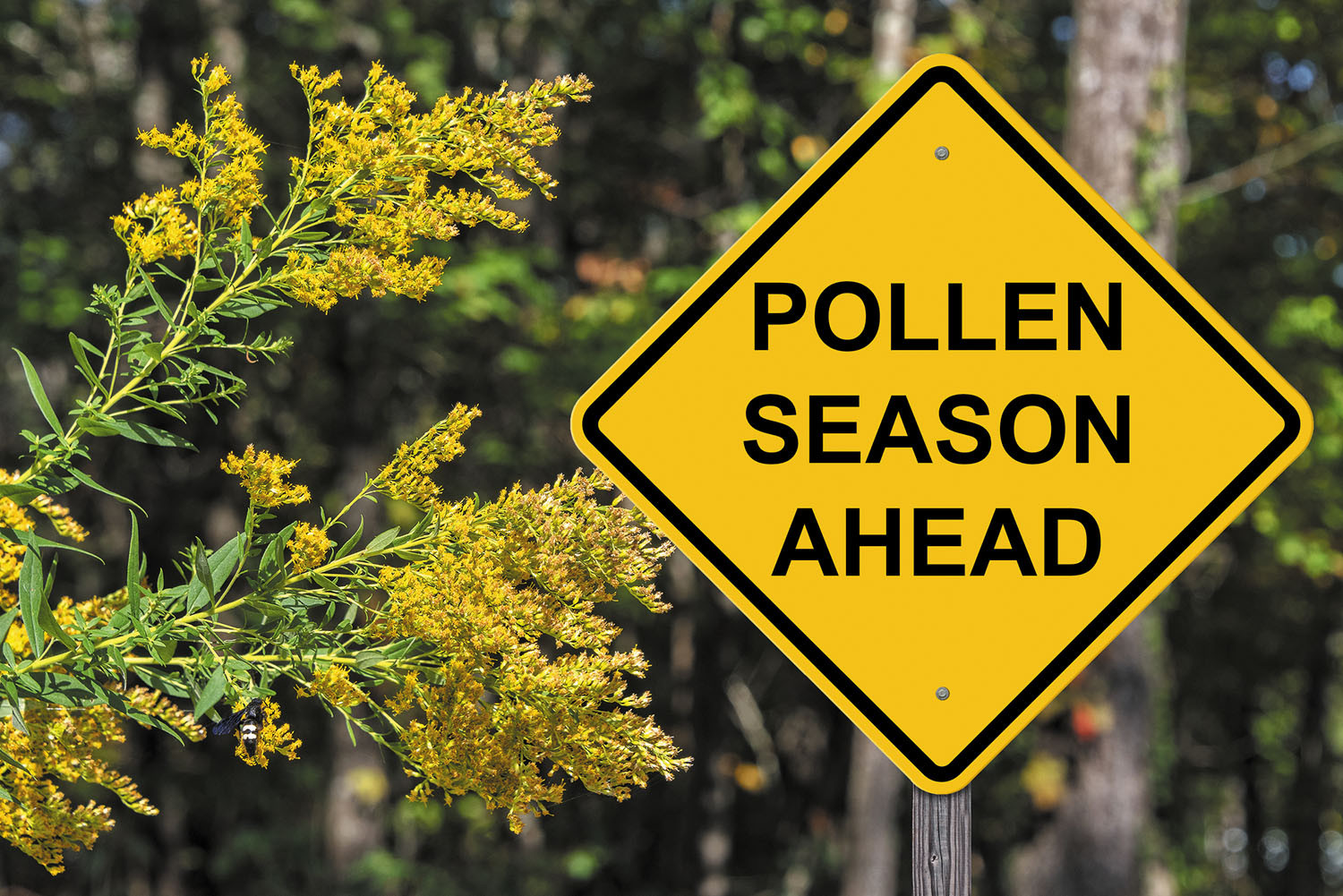
Nothing to sneeze at
Here's how to prepare for the coming allergy season.
Spring is in the air, and so are millions of pollen particles, the tiny grains that fertilize plants. Seasonal allergies — also known as hay fever — can affect almost anyone and at any time in life. Although most people begin to experience allergies in childhood or early adulthood, sometimes the symptoms become more problematic later in life, especially if their living environment changes.
"Even if you have never suffered from allergies — or used to when you were much younger but not anymore — there is a good chance you will become more sensitive to pollen as you reach your 60s and 70s, although it's not clear why," says Dr. Mariana Castells, of the Department of Allergy, Rheumatology, and Immunology at Harvard-affiliated Brigham and Women's Hospital.

Put your best foot forward
Here's what you can do about the three most common foot issues related to aging.
When our feet hurt, we hurt all over. That saying is often attributed to the Greek philosopher Socrates, and it's as relevant today as it was more than 2,500 years ago.
"Our feet are our vehicle to an active lifestyle," says Dr. Christopher DiGiovanni, chief of the Foot and Ankle Service at Harvard-affiliated Massachusetts General Hospital and Newton Wellesley Hospital. "If your feet are not sound and healthy, it's tough to keep the rest of you healthy, too."
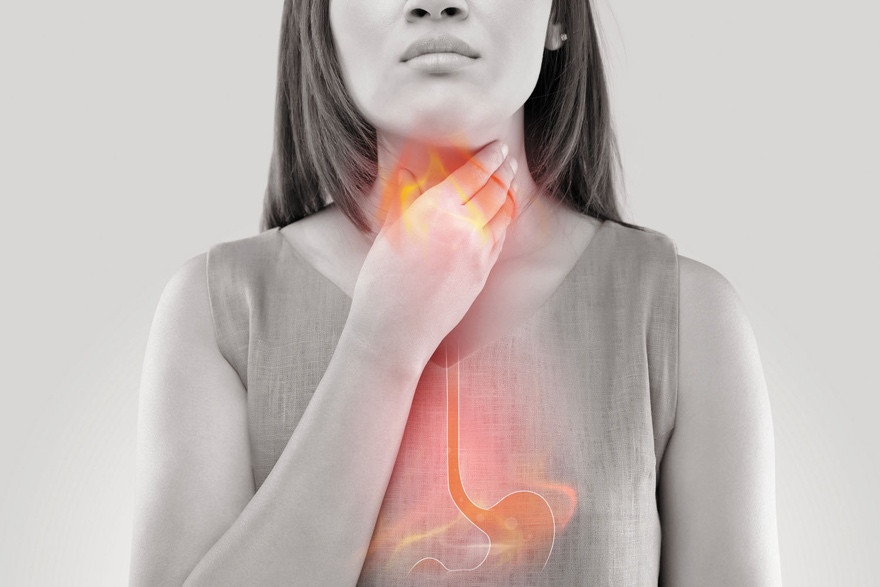
Feeling the burn? Antacids can provide some relief
But these remedies aren't the best choice if you have frequent heartburn.
You feel the familiar sensation in your chest: heartburn. Again, you find yourself reaching for the bottle of antacids in the medicine cabinet. It's something you've done a few times a week for the past six months. Is it okay to keep popping over-the-counter acid reducers, or is it time to see a doctor?
We asked two experts, Dr. Jennifer Nayor and Dr. Molly Linn Perencevich, both instructors in medicine at Harvard Medical School, for their thoughts on heartburn, including when it's okay to use over-the-counter antacids and when you should seek other treatments. Below are their responses.

Can I prevent diverticulitis?
Ask the doctors
Q. I recently had diverticulitis. I'd like to avoid a recurrence. Is there anything I can do to prevent this painful condition in the future?
A. As people age, small pouches often form in the wall of the large intestine, a condition called diverticulosis. If food or bacteria become trapped in these pouches, they can become inflamed or infected, which is known as diverticulitis.
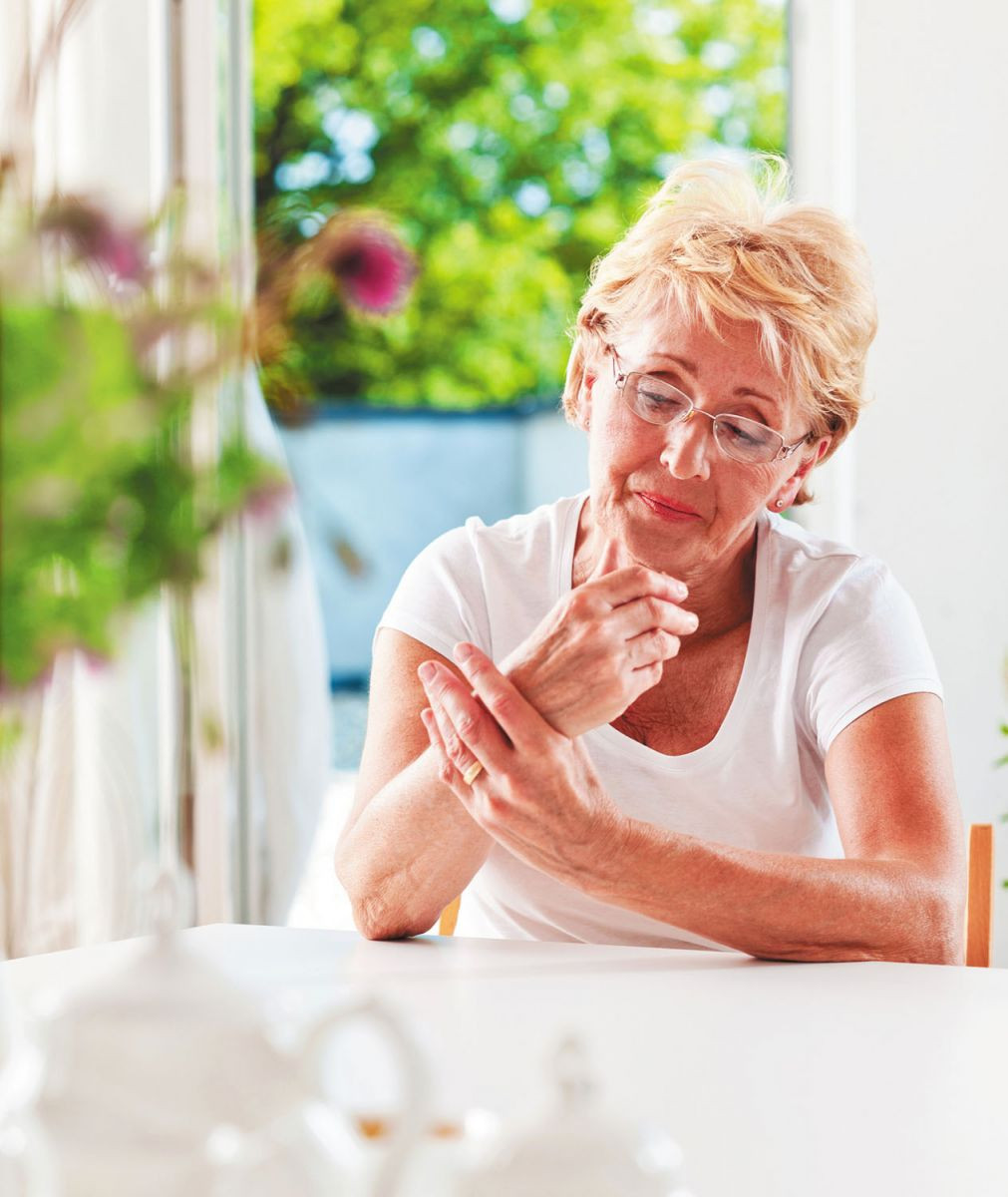
Does arthritis pain change with the weather?
Ask the doctors
Q. My friend insists that her arthritis pain gets worse just before it rains. Is it true that joint pain can intensify based on the weather?
A. Despite what your friend, your grandmother, and generations of people have sworn is the case, experts haven't found consistent evidence that arthritis pain gets worse on rainy days. At best, study results over the years have been mixed, and one large, recent study seems to cast doubt on the theory.

Bumps on finger joints may hint at knee problems
Research we're watching
If you have an arthritis-related condition called Heberden's nodes, you may be at higher risk for arthritis-related knee problems, according to a study published online January 9 by Arthritis & Rheumatology.
Heberden's nodes develop when cartilage in the fingers wears away, causing the bones to rub against one another. This prompts new bone to form, creating bony nodules in the knuckles closest to the fingertips.
Hip bursitis vs. arthritis: How to tell the difference
Fitness for longevity: Which type matters most?
Ministrokes linked to elevated risk of dementia
Continuous glucose monitors benefit people who don't need insulin
CoQ10: Should you take this popular supplement if you're on a statin?
Microplastics: A hidden health threat?
Oat vs. dairy milk: Nutrition, benefits, and downsides
What is tempeh? Benefits, nutrition, and how to use it
Healing after food poisoning
Whole grains may improve several heart risk factors at once
Free Healthbeat Signup
Get the latest in health news delivered to your inbox!
Sign Up
