

Hip bursitis vs. arthritis: How to tell the difference

Fitness for longevity: Which type matters most?

Ministrokes linked to elevated risk of dementia

Continuous glucose monitors benefit people who don't need insulin

CoQ10: Should you take this popular supplement if you're on a statin?

Microplastics: A hidden health threat?

Oat vs. dairy milk: Nutrition, benefits, and downsides

What is tempeh? Benefits, nutrition, and how to use it

Healing after food poisoning

Whole grains may improve several heart risk factors at once
Other mental health disorders Archive
Articles

What is neurodiversity?
The term neurodiversity conveys the idea that there is no single right way of thinking, learning, or behaving, and is often used in the context of autism spectrum disorder. A growing self-advocacy movement aims to increase acceptance and inclusion of all people while embracing neurological differences.

Do weighted blankets help with insomnia?
Insomnia affects approximately 10% of adults in the United States, and it is common with mental illness. Insomnia is unlikely to get better on its own if not actively treated. Many people are interested in treatment options that do not involve prescription medications, and a study from Sweden investigated the effectiveness of a weighted blanket on insomnia symptoms for people with insomnia and mental health problems.

Navigating holiday pressures in the COVID-19 reality

Navigating tricky relationships during the holidays

A conversation about reducing the harms of social media
Social media can connect people across the globe, with a potential audience of millions of users. But no matter how many likes a post gets, it can feel like it's not enough, opening users — particularly young people — to potential mental health issues, and raising the question of whether the government should impose regulations on social media companies.

Menopause and memory: Know the facts
The number of people in the US with Alzheimer's disease is expected to climb drastically over the coming decades, and two-thirds of those people will be women. Understanding factors that happen earlier in life, and how they impact the brain later, is critical for developing strategies to prevent this public health crisis. Studies are examining the ways menopause affects the brain and how to maintain memory.

Breathing your way to better health
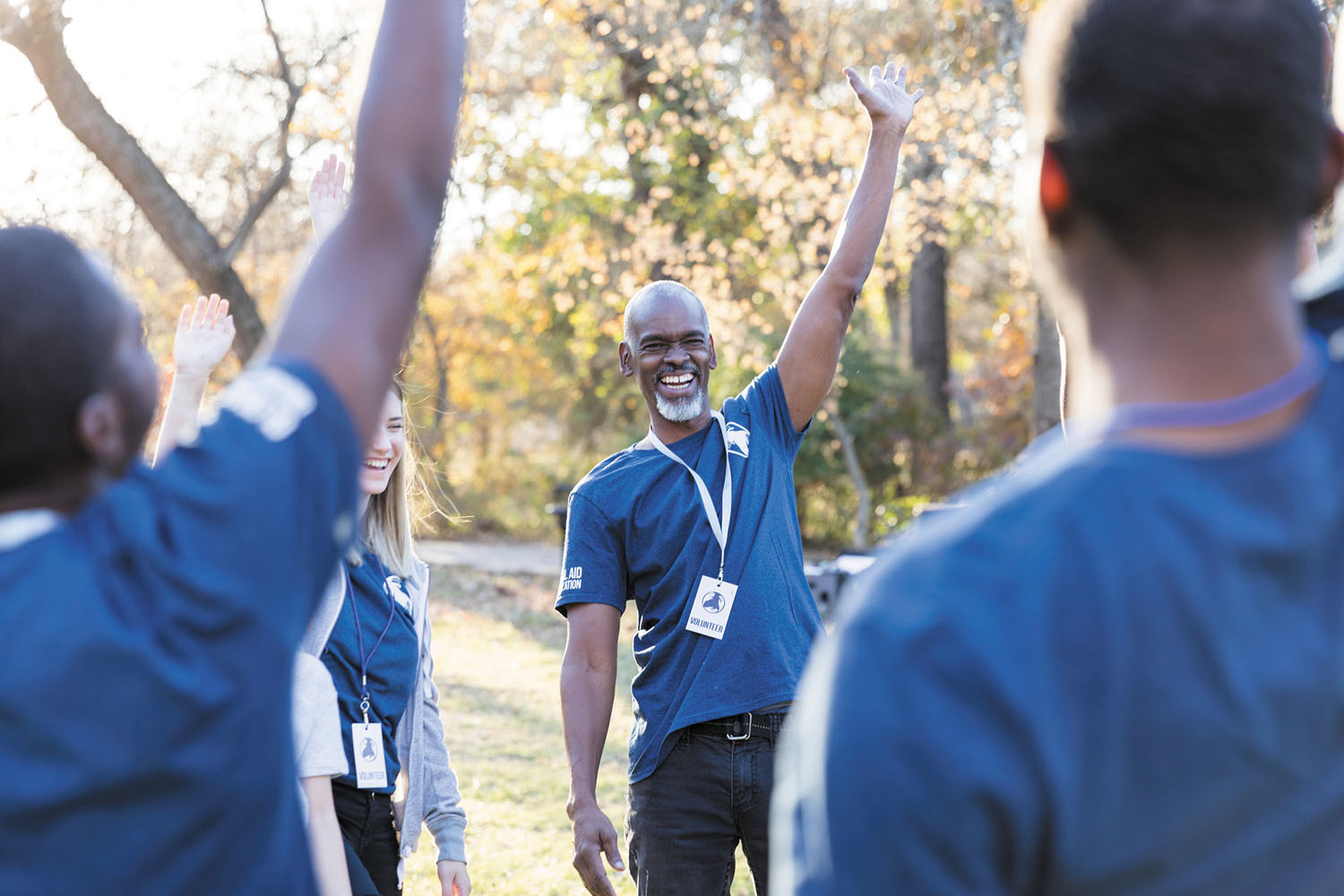
Health and happiness go hand in hand

Post-traumatic stress disorder: When fear strikes the heart

Cancer survivors' sleep is affected long after treatment
According to a new study, many people who have survived cancer treatment experience poor sleep long after treatment has ended. These people also reported emotional distress, financial hardship, and concern that their cancer might return. Many sleep disorders can be treated successfully, but an accurate diagnosis is essential to choosing the correct treatment.
Hip bursitis vs. arthritis: How to tell the difference
Fitness for longevity: Which type matters most?
Ministrokes linked to elevated risk of dementia
Continuous glucose monitors benefit people who don't need insulin
CoQ10: Should you take this popular supplement if you're on a statin?
Microplastics: A hidden health threat?
Oat vs. dairy milk: Nutrition, benefits, and downsides
What is tempeh? Benefits, nutrition, and how to use it
Healing after food poisoning
Whole grains may improve several heart risk factors at once
Free Healthbeat Signup
Get the latest in health news delivered to your inbox!
Sign Up
