

Hip bursitis vs. arthritis: How to tell the difference

Fitness for longevity: Which type matters most?

Ministrokes linked to elevated risk of dementia

Continuous glucose monitors benefit people who don't need insulin

CoQ10: Should you take this popular supplement if you're on a statin?

Microplastics: A hidden health threat?

Oat vs. dairy milk: Nutrition, benefits, and downsides

What is tempeh? Benefits, nutrition, and how to use it

Healing after food poisoning

Whole grains may improve several heart risk factors at once
Pain Archive
Articles


Oh, my aching jaw
There are different underlying reasons for the types of orofacial pain commonly called temporomandibular joint problems, or TMJ. Not all of them are caused by problems with the joint itself, and specialists are getting better at diagnosing them. Orofacial pain may result from a joint problem, a muscle-based problem, a headache syndrome, or a pain processing problem.


Baby, it's cold inside
Some older adults feel cold frequently. This may result from age-related physical changes or an underlying condition. Examples of underlying conditions that might make a person feel cold include anemia, an underactive thyroid, diabetic neuropathy, peripheral artery disease, or Raynaud's phenomenon. People who experience coldness that interferes with their daily activities or sleep should talk to a doctor about it.


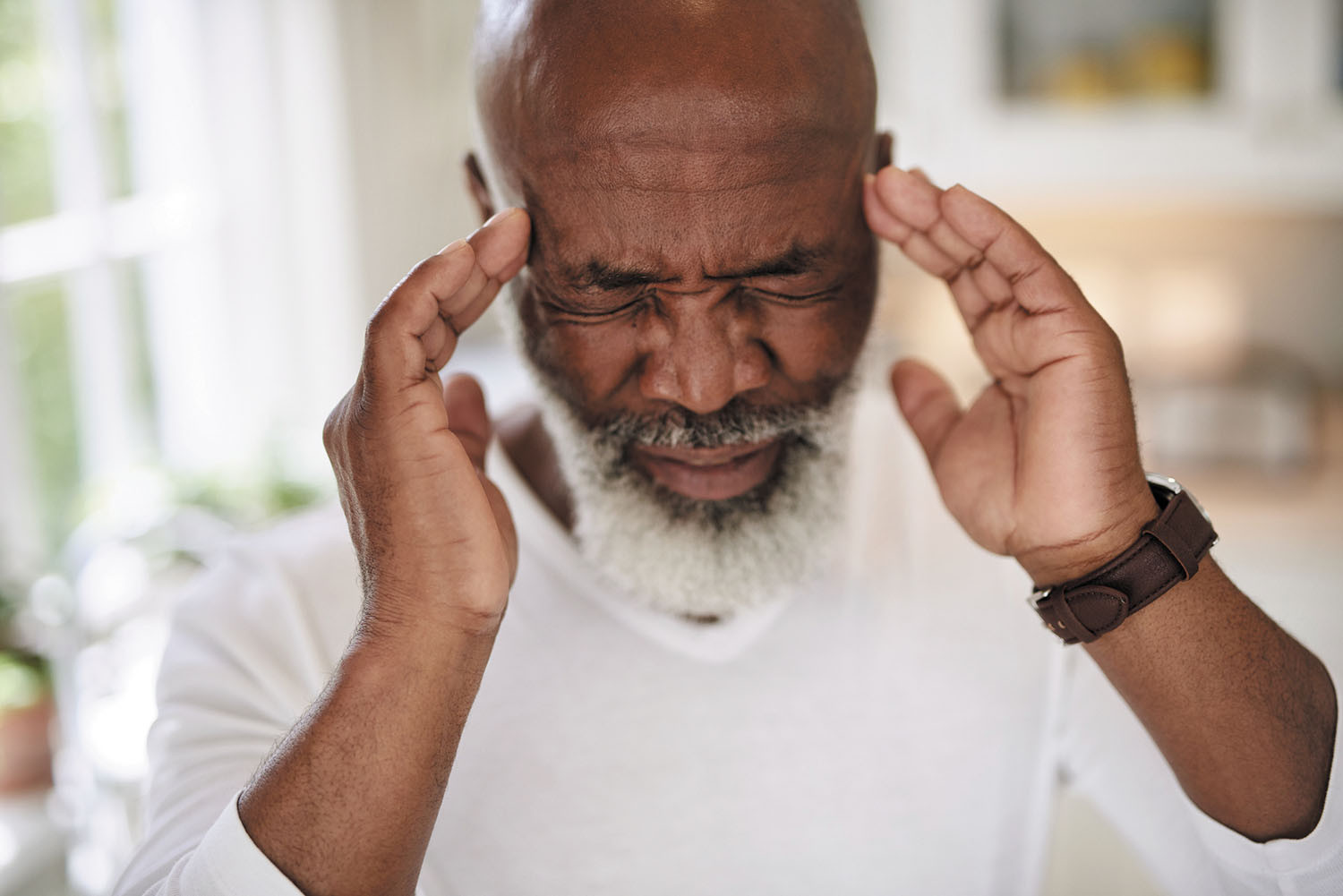
When headaches won't go away
Women are three times more likely than men to get migraine headaches, in part because of the hormone estrogen. A number of different medications are available to prevent migraine and stop them when they first start.


Pain conditions are more common in women
Women are disproportionately affected by conditions that cause chronic pain, but they sometimes have difficulty getting a definitive diagnosis as to what is causing their pain and may be less likely to receive appropriate treatments even when they do.

Migraine: A connection to cardiovascular disease?
People who get migraines with aura have a slightly higher risk of heart attack, stroke, or death from cardiovascular disease than people who get migraines without aura or no migraines. But migraines are most common in younger women, whose baseline risk of cardiovascular problems is very low in the first place. Still, those who get migraine with aura should be sure to tell their primary care provider or gynecologist. Taking estrogen-containing birth control pills or hormone therapy may further raise stroke risk in these women.
Hip bursitis vs. arthritis: How to tell the difference
Fitness for longevity: Which type matters most?
Ministrokes linked to elevated risk of dementia
Continuous glucose monitors benefit people who don't need insulin
CoQ10: Should you take this popular supplement if you're on a statin?
Microplastics: A hidden health threat?
Oat vs. dairy milk: Nutrition, benefits, and downsides
What is tempeh? Benefits, nutrition, and how to use it
Healing after food poisoning
Whole grains may improve several heart risk factors at once
Free Healthbeat Signup
Get the latest in health news delivered to your inbox!
Sign Up
