

Hip bursitis vs. arthritis: How to tell the difference

Fitness for longevity: Which type matters most?

Ministrokes linked to elevated risk of dementia

Continuous glucose monitors benefit people who don't need insulin

CoQ10: Should you take this popular supplement if you're on a statin?

Microplastics: A hidden health threat?

Oat vs. dairy milk: Nutrition, benefits, and downsides

What is tempeh? Benefits, nutrition, and how to use it

Healing after food poisoning

Whole grains may improve several heart risk factors at once
Pain Archive
Articles

Could that joint pain be rheumatoid arthritis?
How to distinguish the symptoms from other conditions, and what to do about treatment.
Image: © PositiveFocus/Thinkstock
When your joints ache, you may chalk it up to an old injury or to osteoarthritis — the wearing away of cartilage that's common in older age. But for two million people in the United States, aching joints are caused by rheumatoid arthritis (RA) — when the immune system mistakenly attacks the tissues lining the joints.
"People commonly assume RA pain is due to aging, overuse, or even the flu," says Dr. Robert Shmerling, a rheumatologist at Harvard-affiliated Beth Israel Deaconess Medical Center, and medical editor of the Harvard Special Health Report Rheumatoid Arthritis (health.harvard.edu/RA).

How should I treat canker sores?
Ask the doctor
Q. I suffer from recurrent canker sores. What is the best way to treat and prevent these mouth ulcers?
A. Canker sores, also known as aphthous ulcers, are small ulcers that appear on the inside of your cheeks and lips and sometimes on or under your tongue. They should not be confused with cold sores (fever blisters), which are due to a herpes simplex virus.
Migraine sufferers have a higher risk for stroke after surgery
In the journals
People who suffer from migraines have increased risks of stroke and hospital readmission within 30 days after having surgery, according to research published online Jan. 10, 2017, by BMJ.
The study included 124,558 patients (45% of whom were men), who had a history of migraines, either with or without aura (a period of symptoms, such as flashes of light or facial tingling, that precedes the migraine). The researchers monitored the condition of all the patients after either inpatient or outpatient surgery. They then looked at how many had strokes and how many were readmitted to the hospital over the following 30 days.

Long-term use of opioids may depend on the doctor who prescribes them
Some doctors are more likely to prescribe opioids to their patients, and those patients are more likely to end up taking them long-term. It's crucial for consumers to educate themselves about the risks of taking opiates, and to consider alternatives if possible.
Some medications don’t help back pain as much as we thought
With back pain affecting so many of us, it’s eye-opening that a new review of dozens of studies is reporting that many people who took NSAID medications did not feel any better, or felt only slightly better, after treatment.
Short circuit migraines before they start
Author and migraine sufferer Joan Didion once wrote, "That no one dies of migraine seems, to someone deep into an attack, an ambiguous blessing." At that time, migraines weren't something that could be prevented. Today, that's a possibility for some people who have severe migraines, frequent migraines (more than three or four times a month), or migraines that don't respond well to treatment.
The cornerstone of migraine prevention is managing triggers like stress or certain foods or strong perfumes. Alternative and complementary therapies (like acupuncture) help some migraine sufferers keep headaches at bay.
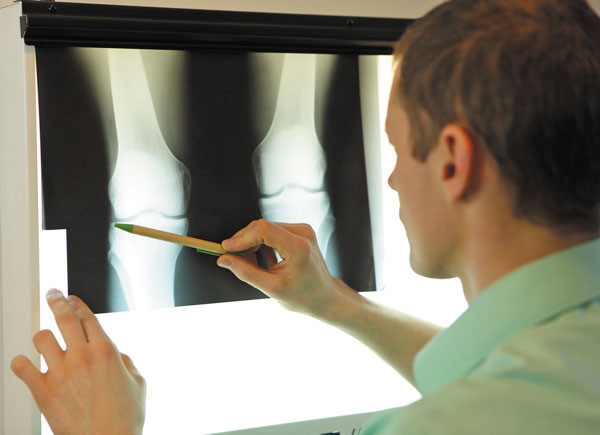
X-ray may be best screening tool for diagnosing knee pain
A simple x-ray may be a better and cheaper way to diagnose knee arthritis than an MRI, according to researchers. X-rays are also cheaper than MRIs and quicker to perform.
Possible link between shoulder problems and heart disease risk
Shoulder pain appears to be associated with risk factors for heart disease. Researchers found that people with the most heart disease risk factors, like high cholesterol, high blood pressure, and diabetes, were almost five times more likely to also have shoulder trouble.
Hip bursitis vs. arthritis: How to tell the difference
Fitness for longevity: Which type matters most?
Ministrokes linked to elevated risk of dementia
Continuous glucose monitors benefit people who don't need insulin
CoQ10: Should you take this popular supplement if you're on a statin?
Microplastics: A hidden health threat?
Oat vs. dairy milk: Nutrition, benefits, and downsides
What is tempeh? Benefits, nutrition, and how to use it
Healing after food poisoning
Whole grains may improve several heart risk factors at once
Free Healthbeat Signup
Get the latest in health news delivered to your inbox!
Sign Up
