

Hip bursitis vs. arthritis: How to tell the difference

Fitness for longevity: Which type matters most?

Ministrokes linked to elevated risk of dementia

Continuous glucose monitors benefit people who don't need insulin

CoQ10: Should you take this popular supplement if you're on a statin?

Microplastics: A hidden health threat?

Oat vs. dairy milk: Nutrition, benefits, and downsides

What is tempeh? Benefits, nutrition, and how to use it

Healing after food poisoning

Whole grains may improve several heart risk factors at once
Parkinson's disease Archive
Articles

Could an unexplained blackout have been a seizure?
A blackout can be frightening and confusing. Learn what clues doctors look for and which tests help uncover the cause.

Is occasional forgetfulness a normal part of aging?
Name slips and misplaced keys can feel unsettling in your 70s. Learn which memory changes are typical and when they might signal something more.
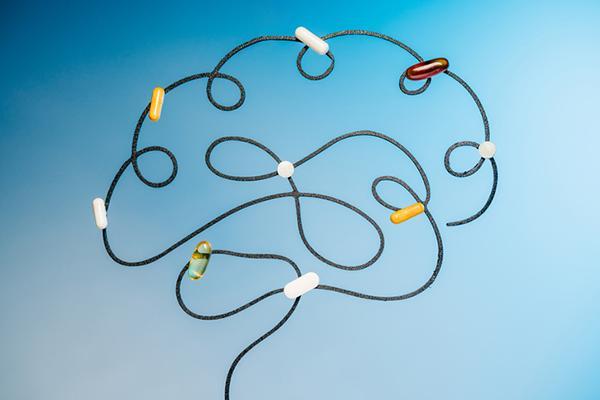
Don't buy into brain health supplements
Brain health supplements purport to enhance memory and improve attention and focus. But no robust scientific evidence backs up those claims. The FDA doesn't oversee supplement testing, so manufacturers do not need to prove products are effective.
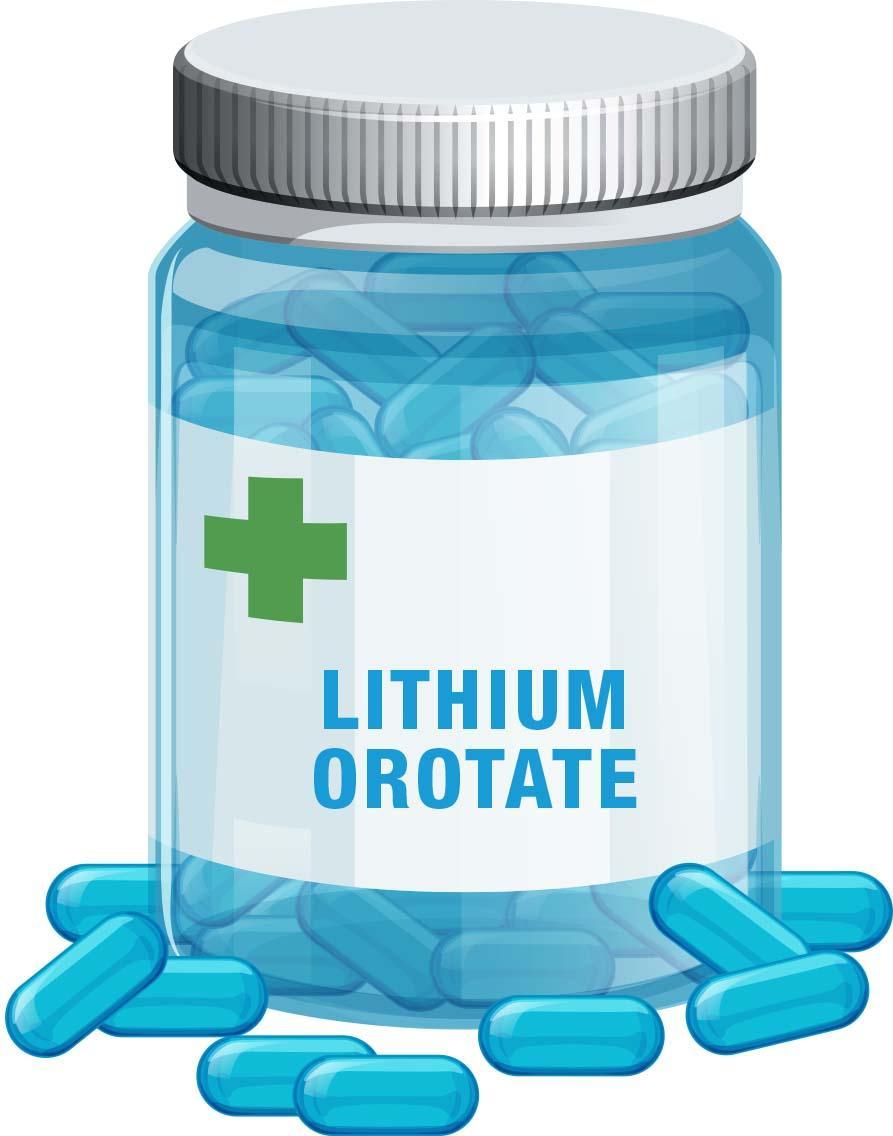
Will lithium supplements be used to fight Alzheimer's one day?
A 2025 study suggests that very low levels of lithium in the brain might be linked to Alzheimer's disease. In mice, certain lithium supplements seemed to protect memory and the brain. But scientists don't yet know if lithium pills are safe or helpful for people.

Cervical dystonia: A challenging neck condition
Cervical dystonia is a movement disorder that causes involuntary, sustained muscle contractions that make the head wobble or rest in abnormal positions. Symptoms can be disruptive, making it hard for people with the condition to drive, dress, or reach for objects.

How to spot Parkinson's disease symptoms
Parkinson’s disease symptoms tend to develop gradually and can be mistaken for normal aging. Early movement-related signs include tremor in one hand, slower movements, mild balance and gait changes, and muscle stiffness. Other clues include loss of smell, sleep changes, and constipation.
Speaking multiple languages may promote healthy aging
A 2025 study suggested that living in areas where residents commonly speak multiple languages may promote healthy aging.

Prompt treatment for head injury may lower your risk of dementia
A 2025 study found that people ages 50 to 90 who received treatment within one week after a moderate or severe traumatic brain injury had a 41% lower risk of developing Alzheimer's disease over the following three years, suggesting that early treatment may be important.

Ask the Doc: What can you do to improve your memory?
Do you find yourself misplacing your keys more often? Losing your glasses on a daily basis? Forgetting dentist appointments? In our short video, Dr. Mallika Marshall describes common-sense strategies for improving your memory.
Boost your cognitive fitness in the new year
The new year is a good time to focus on cognitive fitness. Exercise, healthy eating, mental challenges, good sleep, controlling stress, and social engagement support neuroplasticity and help keep thinking and memory sharp.
Hip bursitis vs. arthritis: How to tell the difference
Fitness for longevity: Which type matters most?
Ministrokes linked to elevated risk of dementia
Continuous glucose monitors benefit people who don't need insulin
CoQ10: Should you take this popular supplement if you're on a statin?
Microplastics: A hidden health threat?
Oat vs. dairy milk: Nutrition, benefits, and downsides
What is tempeh? Benefits, nutrition, and how to use it
Healing after food poisoning
Whole grains may improve several heart risk factors at once
Free Healthbeat Signup
Get the latest in health news delivered to your inbox!
Sign Up
