

Hip bursitis vs. arthritis: How to tell the difference

Fitness for longevity: Which type matters most?

Ministrokes linked to elevated risk of dementia

Continuous glucose monitors benefit people who don't need insulin

CoQ10: Should you take this popular supplement if you're on a statin?

Microplastics: A hidden health threat?

Oat vs. dairy milk: Nutrition, benefits, and downsides

What is tempeh? Benefits, nutrition, and how to use it

Healing after food poisoning

Whole grains may improve several heart risk factors at once
Pediatric health Archive
Articles
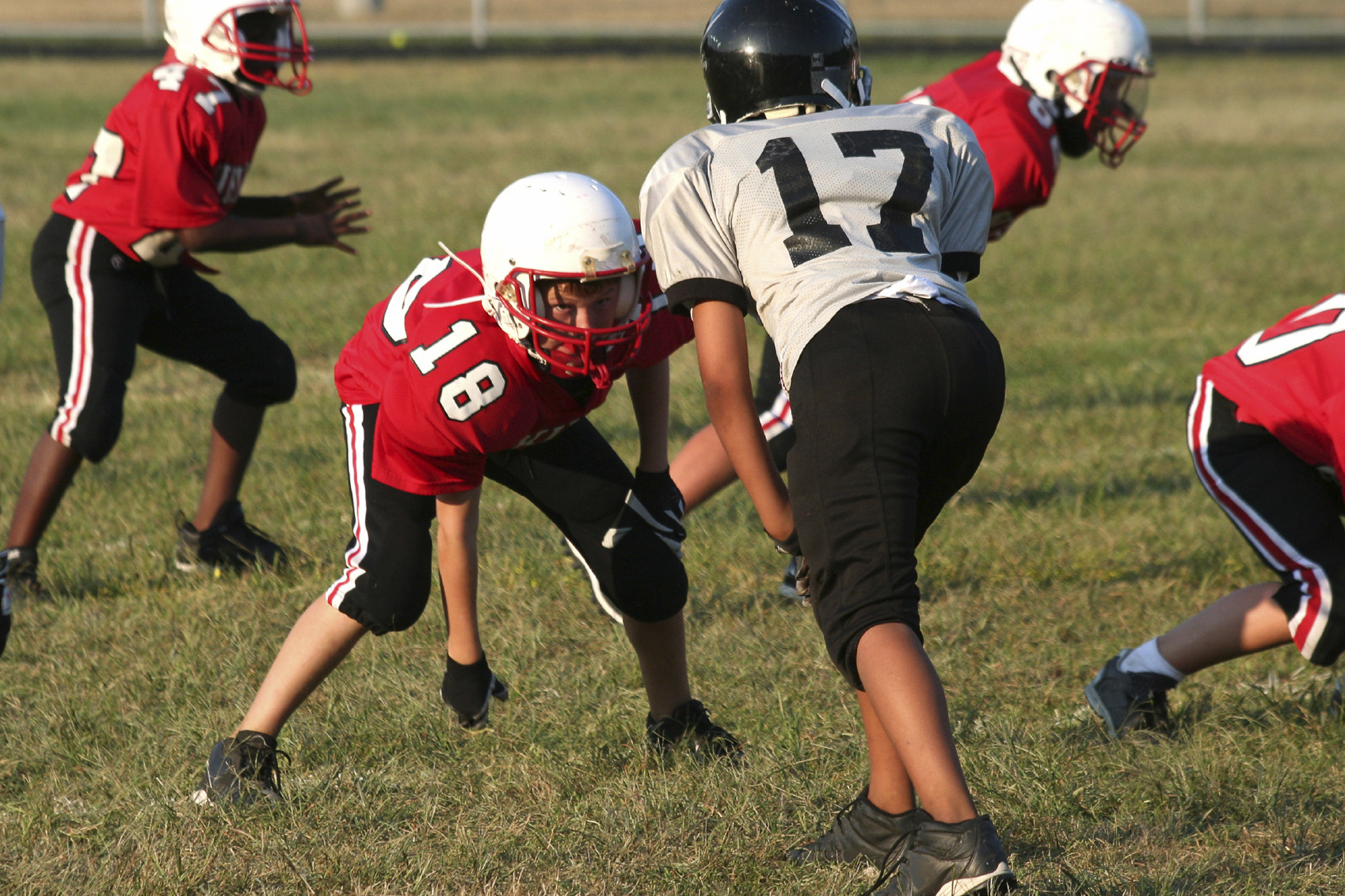
Is football safe for kids?
Many team sports have tremendous health benefits for children, but youth football, in particular, continues to pose a concern because of the high risks of concussion and other injuries. A recent NEJM article has taken a stance against allowing tackling in youth football. But is this position really the best way to promote the health and safety of youth athletes?

Lead poisoning: What everyone needs to know
Even though the use of lead has been regulated for many years, tragedies like the one currently ongoing in Flint, Michigan still occur. Exposure to lead in childhood can have health effects that can change a child’s life forever. We’ve listed steps you can take to keep your child — and everyone in your home — safe from lead poisoning.
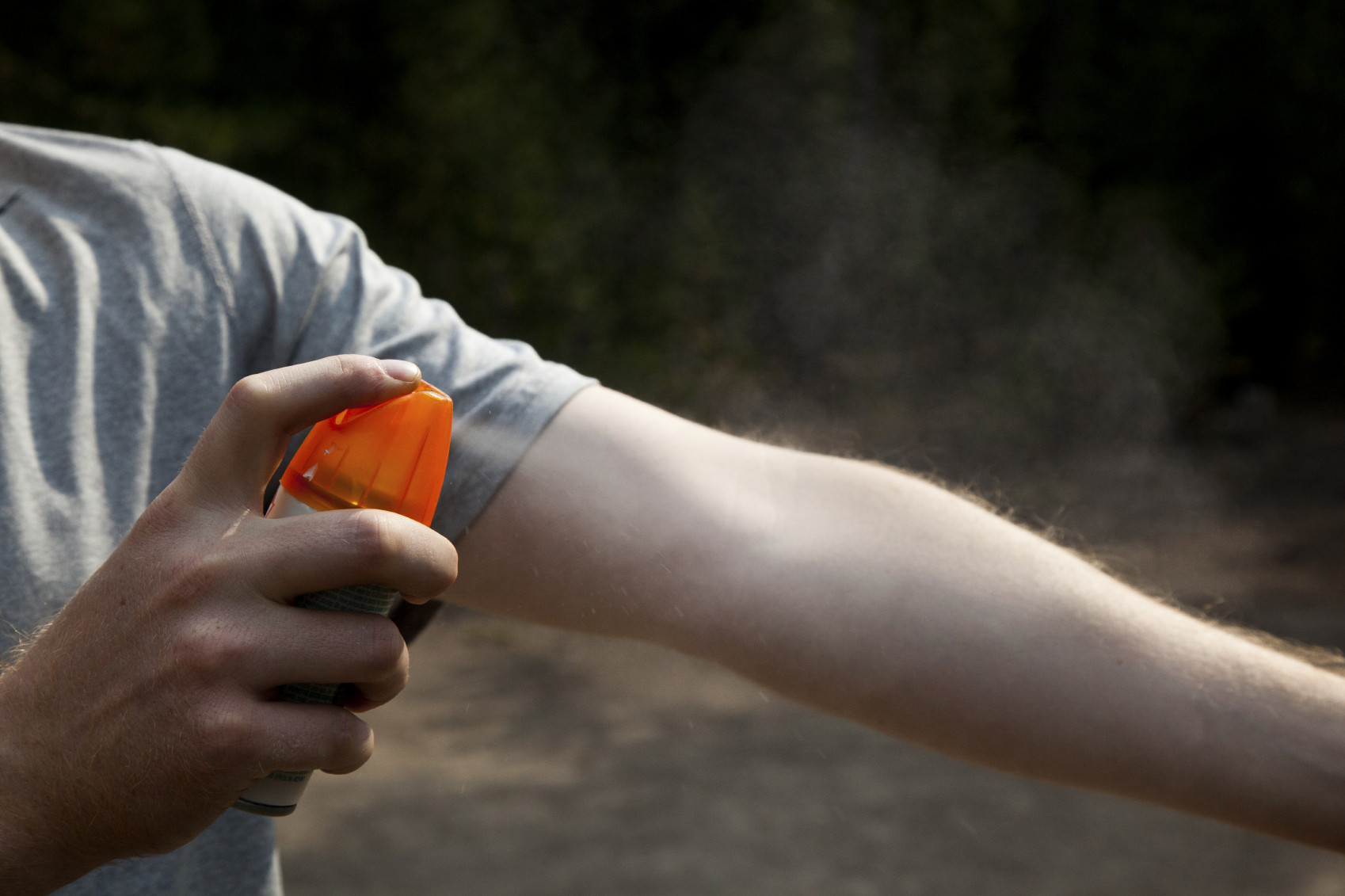
What you need to know about Zika virus
Zika, a formerly rare and obscure virus, has recently spread throughout the Pacific islands and the Americas. Although Zika virus rarely makes people seriously ill, it’s been implicated in a huge rise in the number of birth defects in babies born to mothers who’ve had Zika. Although its impact in the U.S. is expected to be much less severe than in warmer climates, we’ve listed some tips to reduce your exposure to the type of mosquito that carries Zika.
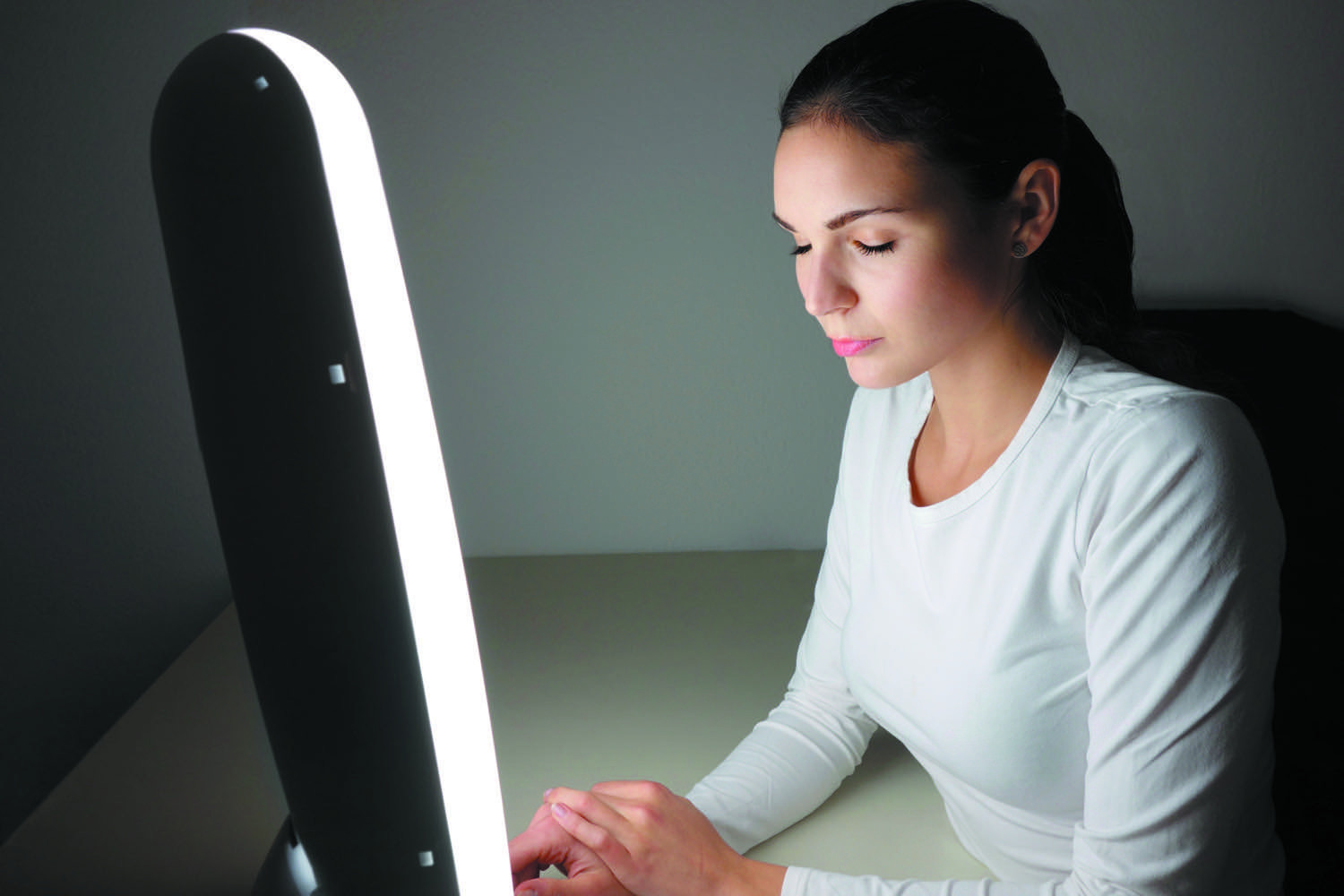
Bright light helps depression
Light therapy, either alone or in combination with an antidepressant, can alleviate major depression.

More than just a game: Yoga for school-age children
Yoga is becoming increasingly popular among American children. Emerging research has shown that yoga has a number of physical and psychological benefits for children, and many classrooms now integrate yoga into a typical school day. Yoga can also be a great way for parents and children to play and interact at home. We’ve included several fun yoga-based exercises and games that parents and children can enjoy together.

Anti-depressants for teens: A second look
Many parents of teens with depression worry that antidepressants could cause an increase in suicidal thoughts or behaviors. Previous research had suggested antidepressants are safe for teens. But recently, researchers have re-examined the original data and found antidepressants may not be as safe for teens as once thought. As always, whether to start an antidepressant depends heavily on your teen’s personal situation.

Teens and medicines that cause birth defects: Do doctors drop the ball?
Doctors may prescribe medicines for teenage girls — for example for acne, depression, or migraines — that are known to cause birth defects. While most parents and doctors hope that these young women avoid pregnancy for many reasons, adults need to help adolescent girls understand the risks of the medications they take and have frank conversations about sex and birth control.

8 steps to mindful eating
This ancient practice can transform the way you think about food and set the stage for a lifetime of healthy eating.
Like most of us, you've probably eaten something in the past few hours. And, like many of us, you may not be able to recall everything you ate, let alone the sensation of eating it. According to a 2011 report from the U.S. Department of Agriculture, the average American spends two-and-a-half hours a day eating, but more than half the time, we're doing something else, too. Because we're working, driving, reading, watching television, or fiddling with an electronic device, we're not fully aware of what we're eating. And this mindless eating—a lack of awareness of the food we're consuming—may be contributing to the national obesity epidemic and other health issues, says Dr. Lilian Cheung, a nutritionist and lecturer at Harvard T.H. Chan School of Public Health.

How can I help my daughter deal with her miscarriage?
Ask the doctor
Q. My daughter had a miscarriage a few months ago and since then she has been depressed and withdrawn. Do you know anything I can do to help?
A. Miscarriage can involve a difficult emotional recovery, and many women and their partners are surprised at the intensity of their feelings. Many women who have experienced a miscarriage feel that they have done something wrong. They may worry that the miscarriage resulted from stress or lifestyle choices they made during pregnancy. In fact, most miscarriages are the result of chromosomal abnormalities, structural abnormalities of the uterus, or maternal endocrine or autoimmune disorders.
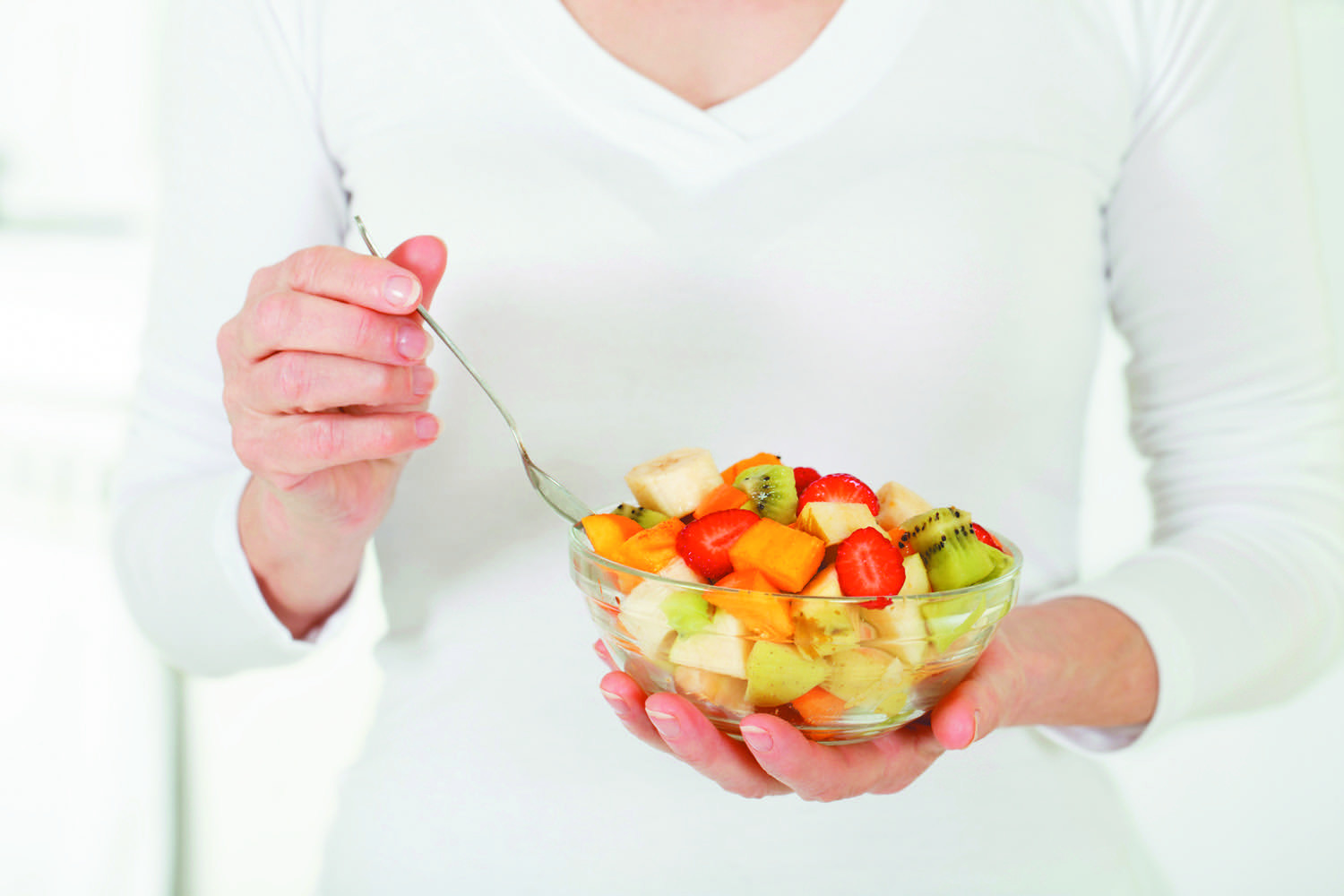
How can you prevent cognitive decline? Try this combination strategy
Image: Thinkstock
Four steps—following a healthy diet, getting regular exercise, socializing, and challenging your brain—can improve your mental skills, even as you age.
Observational studies over the past few years seem to be repeating the same message: regular physical activity, a good diet, taking on new mental challenges, and maintaining strong social connections may each help you hang on to your mind. The latest and most impressive study goes a step further by suggesting that if you follow all four practices, you may even reverse lost mental capacity. The results of the Finnish Geriatric Intervention Study to Prevent Cognitive Impairment and Disability (FINGER) indicated that doing so not only kept cognitive skills from declining, it also improved reasoning skills and speed in performing mental tasks.
Hip bursitis vs. arthritis: How to tell the difference
Fitness for longevity: Which type matters most?
Ministrokes linked to elevated risk of dementia
Continuous glucose monitors benefit people who don't need insulin
CoQ10: Should you take this popular supplement if you're on a statin?
Microplastics: A hidden health threat?
Oat vs. dairy milk: Nutrition, benefits, and downsides
What is tempeh? Benefits, nutrition, and how to use it
Healing after food poisoning
Whole grains may improve several heart risk factors at once
Free Healthbeat Signup
Get the latest in health news delivered to your inbox!
Sign Up
