

Hip bursitis vs. arthritis: How to tell the difference

Fitness for longevity: Which type matters most?

Ministrokes linked to elevated risk of dementia

Continuous glucose monitors benefit people who don't need insulin

CoQ10: Should you take this popular supplement if you're on a statin?

Microplastics: A hidden health threat?

Oat vs. dairy milk: Nutrition, benefits, and downsides

What is tempeh? Benefits, nutrition, and how to use it

Healing after food poisoning

Whole grains may improve several heart risk factors at once
Pediatric health Archive
Articles

Music as medicine
Music therapy uses personally tailored interventions such as singing, songwriting, playing an instrument, or moving to the beat to help people with a variety of health conditions manage disease symptoms and treatment side effects. Research suggests music therapy can curb stress, soothe pain, promote sleep, reduce anxiety, and improve memory and focus. People interested in accessing music therapy can ask their health care team or hospital for a referral, or look for a music therapist through the American Music Therapy Association.

Who should get an RSV vaccination this year?
In 2024, RSV vaccinations are recommended for infants and young children; everyone ages 75 and older, regardless of health; and people ages 60 to 74 at increased risk for severe RSV, such as people with lung or heart disease or those who live in nursing homes.

Small pets are delightful, but some carry dangerous bacteria
Small animals like turtles, iguanas, and frogs are often chosen as first-time pets for children, but it may be best to avoid them because they can carry bacteria that can make people sick. Here's what to know about this illness.


Weighing in on weight gain from antidepressants
If you're struggling with depression, the most important question about taking an antidepressant is whether it will work. But another question on your mind may be whether it will fuel weight gain. A new study provides some context.

Can a spoonful of daily olive oil ward off dementia death?
A 2024 Harvard study of more than 92,000 healthy men and women (average age 56) found that consuming about half a tablespoon of olive oil per day was associated with a 28% reduction in the risk for dementia-related death, regardless of diet quality.

A balanced approach to eating may be best for brain health
People who followed a balanced diet consisting of a good mix of healthy foods like lean meats, vegetables, fruit, and dairy, with occasional processed foods had the highest scores of cognitive function compared with other eating patterns, according to a 2024 study.

Optimism may slow women's age-related physical decline
A 2024 study suggests that optimism may help women stave off age-related physical decline.

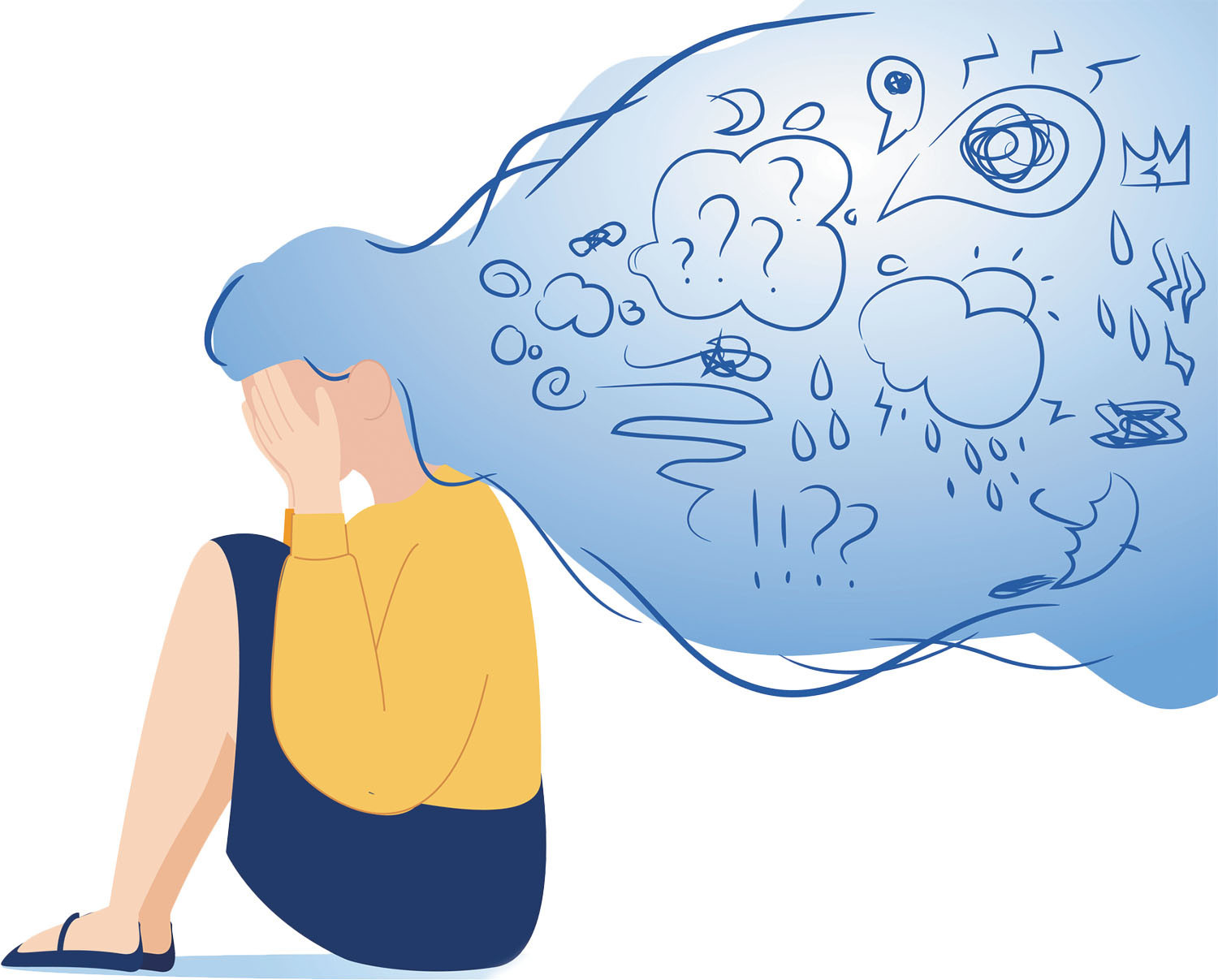
Recognizing and easing the physical symptoms of anxiety
Anxiety can produce physical symptoms, such as headaches, stomach upset, and tightness in the chest. Sometimes this sets up a vicious cycle, in which anxiety triggers physical symptoms, and the symptoms magnify anxiety, which makes them even worse. Doing distracting tasks or relaxation exercises can help break this cycle. People should seek professional help if symptoms can't be controlled.
Hip bursitis vs. arthritis: How to tell the difference
Fitness for longevity: Which type matters most?
Ministrokes linked to elevated risk of dementia
Continuous glucose monitors benefit people who don't need insulin
CoQ10: Should you take this popular supplement if you're on a statin?
Microplastics: A hidden health threat?
Oat vs. dairy milk: Nutrition, benefits, and downsides
What is tempeh? Benefits, nutrition, and how to use it
Healing after food poisoning
Whole grains may improve several heart risk factors at once
Free Healthbeat Signup
Get the latest in health news delivered to your inbox!
Sign Up
