

Hip bursitis vs. arthritis: How to tell the difference

Fitness for longevity: Which type matters most?

Ministrokes linked to elevated risk of dementia

Continuous glucose monitors benefit people who don't need insulin

CoQ10: Should you take this popular supplement if you're on a statin?

Microplastics: A hidden health threat?

Oat vs. dairy milk: Nutrition, benefits, and downsides

What is tempeh? Benefits, nutrition, and how to use it

Healing after food poisoning

Whole grains may improve several heart risk factors at once
Pediatric health Archive
Articles

Can I skip vaccination if I had COVID?
Evidence suggests that people who've had COVID-19 may have some natural protection against the virus, but will have a much stronger immune response if they also get the vaccine.

Easily distracted? Try meditation
Attention control is an essential for time management and productivity, but to stay focused on a task, you need to be able to keep distractions from derailing your progress. Mindfulness meditation can calm a wandering mind, and can be used to train your brain to increase attention, focus, and concentration.

Listening to your hunger cues
We've all had times when we have eaten more than our share of some unhealthy food. We know it's bad for us, but resisting feels impossible. The science of food cravings is complex, but often these urges happen not because we are hungry but because of some other emotion that triggers the brain's appetite signals. It's possible to change these patterns, but it's a challenge.
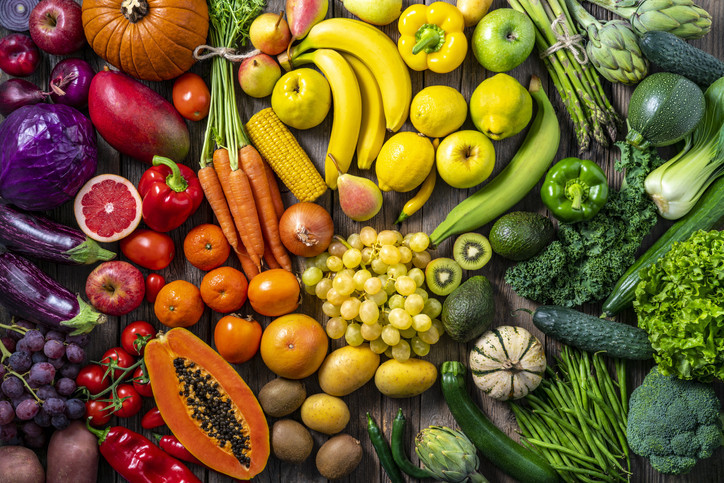
Can flavonoids help fend off forgetfulness?
Eating a broad variety of fruits and vegetables is a good way to get a sufficient intake of flavonoids, chemicals that contribute to many aspects of health. Now, a study suggests that flavonoid-rich foods may also play a role in protecting memory and thinking as people get older.

Can physical or cognitive activity prevent dementia?
The number of people worldwide with Alzheimer's disease is predicted to climb drastically in the coming decades. Is there anything people can do to protect their cognitive health? New evidence from two studies shows that cognitive and physical activities can make a real difference in delaying the onset of cognitive decline.

Pain, anxiety, and depression
Pain, anxiety, and depression often coincide because the parts of the brain and nervous system that handle sensations and touch interact with those that regulate emotions and stress.

Waking up one hour earlier than usual may reduce depression risk

Statins have no apparent link to cognitive problems or dementia

Ban on harmful pesticide: What parents need to know
After two decades of concern, and mounting evidence of its harm to young children, the FDA has banned the pesticide chlorpyrifos from use on food. But it's important to remember that chemicals are everywhere, and there are other steps all parents should take to protect their children from exposure to potentially harmful products and substances.

A blood test may predict increased risk for Alzheimer’s disease
Hip bursitis vs. arthritis: How to tell the difference
Fitness for longevity: Which type matters most?
Ministrokes linked to elevated risk of dementia
Continuous glucose monitors benefit people who don't need insulin
CoQ10: Should you take this popular supplement if you're on a statin?
Microplastics: A hidden health threat?
Oat vs. dairy milk: Nutrition, benefits, and downsides
What is tempeh? Benefits, nutrition, and how to use it
Healing after food poisoning
Whole grains may improve several heart risk factors at once
Free Healthbeat Signup
Get the latest in health news delivered to your inbox!
Sign Up
