

Hip bursitis vs. arthritis: How to tell the difference

Fitness for longevity: Which type matters most?

Ministrokes linked to elevated risk of dementia

Continuous glucose monitors benefit people who don't need insulin

CoQ10: Should you take this popular supplement if you're on a statin?

Microplastics: A hidden health threat?

Oat vs. dairy milk: Nutrition, benefits, and downsides

What is tempeh? Benefits, nutrition, and how to use it

Healing after food poisoning

Whole grains may improve several heart risk factors at once
Pediatric health Archive
Articles

Can the flu shot hurt my immune response?
Ask the doctors
Image: © scyther5/Thinkstock
Q. I've read that getting the flu shot annually will weaken my immune system over time. Is this true?
A. A study published in the March 1, 2017, issue of The Journal of Infectious Diseases investigated whether getting an annual vaccination against influenza (flu) can weaken your body's natural ability to protect itself from the disease. Past studies have raised similar concerns. Researchers at the University of Bergen in Norway followed 250 health care workers. Some of them got a flu vaccination every year from 2009 through 2013. The others only received the vaccine once in 2009 and not in the years from 2010 to 2013. The researchers then took blood samples before the influenza season (and before people were vaccinated that season), from the members of both groups and looked at different markers to gauge how well their immune systems would respond to the influenza virus. They found that getting an annual flu vaccination did not weaken the immune system. As a group, the people who got the flu shot annually appeared to have a better immune response to influenza than those vaccinated only once.

Sour mood getting you down? Get back to nature
Research suggests that mood disorders can be lifted by spending more time outdoors.
Image: © Sidekick/Getty Images
Looking for a simple way to help reduce stress, anxiety, and depression, and maybe even improve your memory? Take a walk in the woods.
"Many men are at higher risk for mood disorders as they age, from dealing with sudden life changes like health issues, the loss of loved ones, and even the new world of retirement," says Dr. Jason Strauss, director of geriatric psychiatry at Harvard-affiliated Cambridge Health Alliance. "They may not want to turn to medication or therapy for help, and for many, interacting with nature is one of the best self-improvement tools they can use."

School reopening? What parents need to know and can do

New school guidelines around COVID-19: What parents need to know
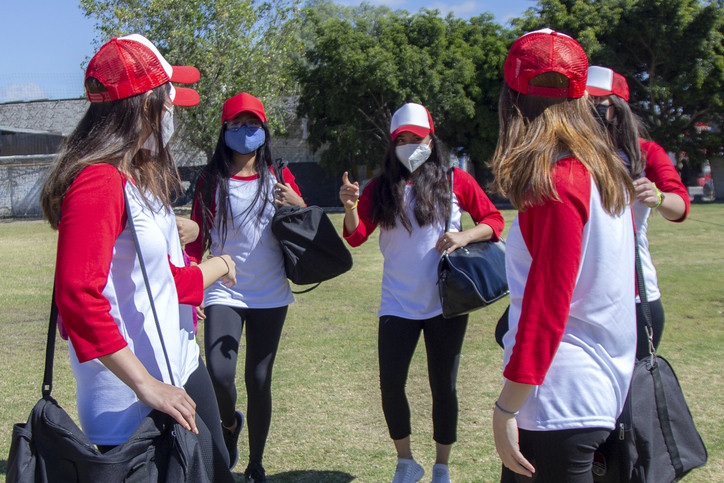
Returning to sports and physical activity after COVID-19: What parents need to know
Most children and teens who have COVID-19 recover completely, but rarely there can be damage to a child’s heart muscle, and the stress of exercise on a damaged heart could lead to a serious condition. Here’s what parents need to know about recent guidance from the American Academy of Pediatrics for children returning to physical activity after COVID-19.

Numb from the news? Understanding why and what to do may help
The daily onslaught of news during the past year has left many people in a steady state of fatigue, resignation, and grief. The symptoms of collective trauma are widespread and familiar, but one merits special attention: numbness, which is one possible response to an overwhelming situation.

Heavy metals in baby food? What parents should know and do
Worrisome levels of arsenic, lead, and other elements called heavy metals that can harm the developing brain are found in some commercial baby foods, according to a recent report. Here’s what parents should know and can do to protect young children.
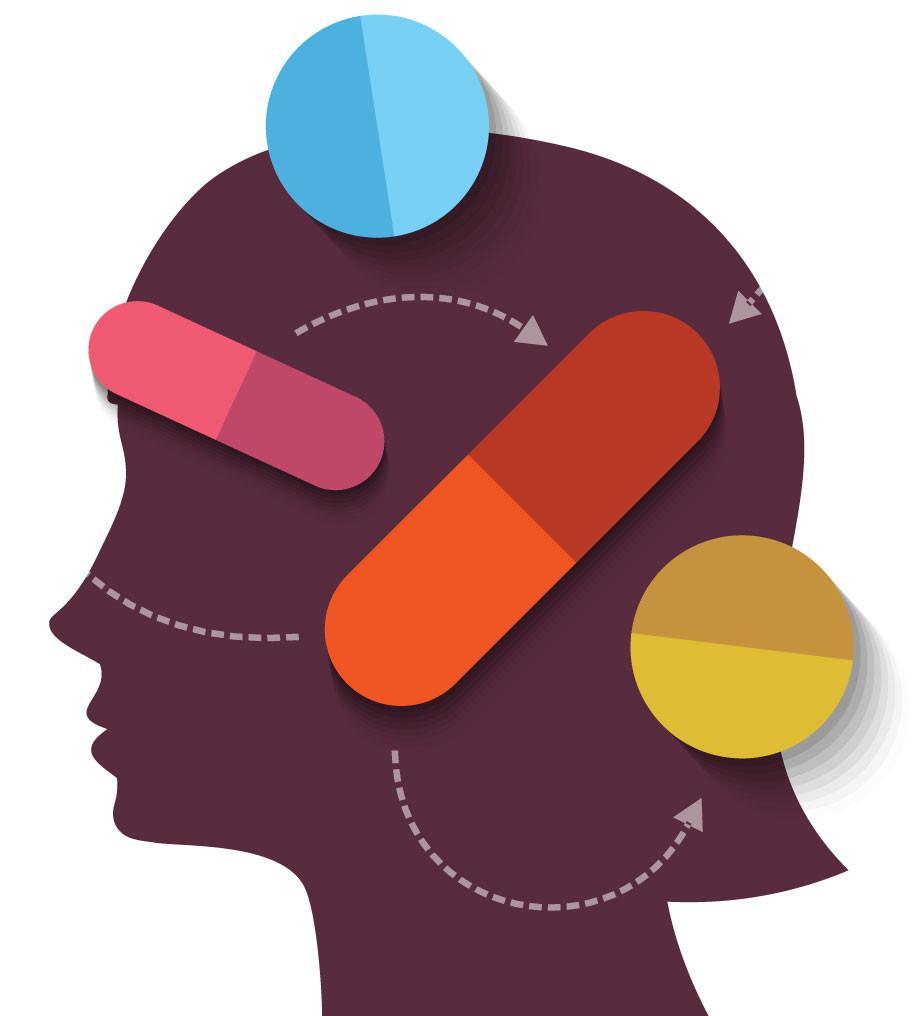
Two types of drugs you may want to avoid for the sake of your brain
Benzodiazepines and drugs with strong anticholinergic effects have been linked to Alzheimer's disease in people who take them. There are alternatives to both types.

Coping with relationship fatigue
Too much time together makes for tense moments. Cutting each other some slack and setting ground rules will help.
There's such a thing as too much togetherness at home, no matter if you're with a romantic partner, an adult child, a grandchild, or a friend. "Because of the pandemic, we're frozen in place with people, but we aren't meant to be in the same space all day long," says Dr. Robert Waldinger, a psychiatrist with Harvard-affiliated Massachusetts General Hospital.
Keeping the peace starts with understanding why you may be getting on each other's nerves. Then you can try following a few rules to get along better.

A flavanol-rich diet may increase brain function
In the journals
Flavanols give fruits and vegetables their bright colors. They are also found in tea and cocoa. Observational studies have shown that eating foods rich in flavanols is linked with less cognitive decline as people age. New research suggests a possible reason why: flavanols appear to improve blood flow to the brain.
Researchers gave cocoa flavanols to 18 healthy adults in two separate trials. In one, the people consumed a cocoa drink with about 681 milligrams (mg) of flavanols. In the other, they had a cocoa drink with about 4 mg of flavanols. About two hours after having the cocoa drink, participants briefly inhaled air with high concentrations of carbon dioxide to raise their blood level above normal. (The brain's normal response to high blood carbon dioxide levels is to increase both blood flow to the brain and its uptake of oxygen.) The researchers then measured the speed of brain oxygenation and administered a set of mental tasks to assess cognitive performance. People had a faster brain oxygenation response after consuming high amounts of flavanols compared with lower amounts. They also scored higher on the cognitive tests and correctly solved problems 11% quicker.
Hip bursitis vs. arthritis: How to tell the difference
Fitness for longevity: Which type matters most?
Ministrokes linked to elevated risk of dementia
Continuous glucose monitors benefit people who don't need insulin
CoQ10: Should you take this popular supplement if you're on a statin?
Microplastics: A hidden health threat?
Oat vs. dairy milk: Nutrition, benefits, and downsides
What is tempeh? Benefits, nutrition, and how to use it
Healing after food poisoning
Whole grains may improve several heart risk factors at once
Free Healthbeat Signup
Get the latest in health news delivered to your inbox!
Sign Up
