

Hip bursitis vs. arthritis: How to tell the difference

Fitness for longevity: Which type matters most?

Ministrokes linked to elevated risk of dementia

Continuous glucose monitors benefit people who don't need insulin

CoQ10: Should you take this popular supplement if you're on a statin?

Microplastics: A hidden health threat?

Oat vs. dairy milk: Nutrition, benefits, and downsides

What is tempeh? Benefits, nutrition, and how to use it

Healing after food poisoning

Whole grains may improve several heart risk factors at once
Pediatric health Archive
Articles



Parenting in a pandemic
Watch our timely "Parenting in a Pandemic" Zoomcast. Claire McCarthy, MD, assistant professor of pediatrics at Harvard Medical School and senior faculty editor at Harvard Health Publishing, discusses parenting children and teens when the outlook is cloudy for many favorite summer pastimes and jobs. She also offers pointers for staying safe as state restrictions lift, takes a look toward return-to-school in the fall, and explains what is and isn't known about a rare complication of COVID-19 called multisystem inflammatory syndrome in children (MIS-C).

Helping people with autism spectrum disorder manage masks and COVID-19 tests
The COVID-19 pandemic has presented many new challenges for people with autism spectrum disorder. Adapting to wearing face masks and the experience of a COVID-19 test are particularly challenging, but there are strategies that can help these individuals meet the challenges.
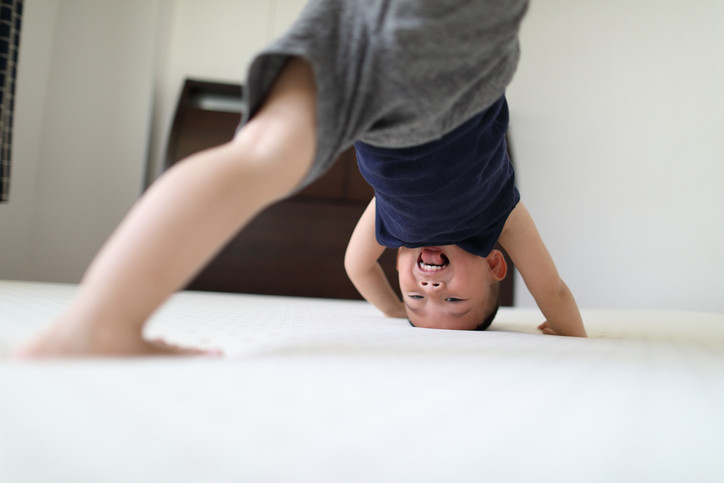
5 winning ways for kids to burn energy
After a couple of months of sheltering in place, and with warm weather upon us, your children probably have plenty of excess energy. Here are five suggestions for activities that will get them moving — and there’s nothing stopping parents from joining in.


Surviving tumultuous times
Reduce your stress levels and maintain a sense of normalcy during and after traumatic events.
For most Americans, 2020 has already been a rough year — and it's not even half over. A pandemic, natural disasters, economic decline, and, for many, the loss of a job have taken a toll on their mental health.
"Stress is particularly acute when you're experiencing a situation that is outside of your control," says Dr. Kerry Ressler, professor of psychiatry at Harvard Medical School. "You may feel stuck, frozen, or helpless." After a traumatic period, even when things settle down, it can be difficult to move on and regain a sense of normalcy.

6 simple steps to keep your mind sharp at any age
Everyone has the occasional "senior moment." Maybe you've gone into the kitchen and can't remember why, or can't recall a familiar name during a conversation. Memory lapses can occur at any age, but aging alone is generally not a cause of cognitive decline. When significant memory loss occurs among older people, it is generally not due to aging but to organic disorders, brain injury, or neurological illness.
Studies have shown that you can help prevent cognitive decline and reduce the risk of dementia with some basic good health habits:
Hip bursitis vs. arthritis: How to tell the difference
Fitness for longevity: Which type matters most?
Ministrokes linked to elevated risk of dementia
Continuous glucose monitors benefit people who don't need insulin
CoQ10: Should you take this popular supplement if you're on a statin?
Microplastics: A hidden health threat?
Oat vs. dairy milk: Nutrition, benefits, and downsides
What is tempeh? Benefits, nutrition, and how to use it
Healing after food poisoning
Whole grains may improve several heart risk factors at once
Free Healthbeat Signup
Get the latest in health news delivered to your inbox!
Sign Up
