

Hip bursitis vs. arthritis: How to tell the difference

Fitness for longevity: Which type matters most?

Ministrokes linked to elevated risk of dementia

Continuous glucose monitors benefit people who don't need insulin

CoQ10: Should you take this popular supplement if you're on a statin?

Microplastics: A hidden health threat?

Oat vs. dairy milk: Nutrition, benefits, and downsides

What is tempeh? Benefits, nutrition, and how to use it

Healing after food poisoning

Whole grains may improve several heart risk factors at once
Peripheral artery disease Archive
Articles

Decoding the price of heart tests and procedures
Prices for six common heart tests and procedures at top-ranked U.S. hospitals showed surprisingly wide variations, according to a 2022 Harvard study. There was a 10-fold difference in the median prices patients pay for a heart ultrasound, and even larger disparities for procedures such as implanting a pacemaker. The differences may reflect power dynamics between hospitals and insurance companies. For both entities, factors such as location, size, and popularity influence that dynamic — which, in turn, affects the market dynamics that dictate costs.

Meal of the month: Thanksgiving
A long, leisurely meal like Thanksgiving can be a good opportunity to practice mindful eating. Being mindful simply means bringing close attention and awareness to the present moment, without judgment.

Put a song in your heart
Listening to music (or singing or playing an instrument) may benefit cardiovascular health. Evidence suggests music helps rebalance the nervous system to promote the relaxation response and dampen the stress response. The benefits may result from greater heart rate variability, enhanced exercise performance, lower stress hormone levels, or reductions in blood pressure.

The Essential 8: Enhanced advice for a healthy heart
The American Heart Association revamped its online tool, My Life Check, designed to help people prevent cardiovascular disease. Along with other changes, the AHA added healthy sleep duration to the list of seven other factors assessed by the tool. Those factors are maintaining a healthy weight, not smoking, being physically active, eating a healthy diet, and keeping blood pressure, blood sugar, and cholesterol at acceptable levels. Each factor (now known as Life's Essential 8) are scored on a scale of 1 to 100 and used to generate a composite cardiovascular health score.

Trying to lower stubbornly high LDL cholesterol?
Elevated LDL cholesterol contributes to cardiovascular disease. Taking statin drugs can substantially lower this risk. But what if a person's LDL level remains too high on their maximally tolerated dose? An expert consensus report lays out a clear path for next steps.

A virtual approach to healing the heart
Cardiac rehabilitation, which teaches heart-healthy habits coupled with supervised exercise, can help people with heart conditions prevent future problems. Some parts of the program can be done at home, delivered through a computer, tablet, or smartphone. Known as virtual cardiac rehab, this approach offers several advantages over conventional rehab, such as avoiding the time and expense of traveling to multiple sessions during the week.

Hearts and minds
Vascular dementia, which arises from longstanding, cumulative damage to small blood vessels in the brain, may cause or contribute to up to half of cases of dementia. The vessels may thicken or become blocked by blood clots, causing tiny strokes that damage specific parts of the brain important for various thinking abilities. Keeping blood pressure in the recommended range of 120/80 or lower is the best way to prevent vascular dementia.

Bleeding problems: Know your risk
Anti-clotting medications have a well-known and fairly common effect: a heightened risk of bleeding. Being older, having certain health conditions, and taking certain drugs (including popular over-the-counter pain relievers) can increase this risk. Minor bleeding includes bleeding gums after toothbrushing or flossing and nosebleeds that take longer than usual to stop. Signs of more serious bleeding (which requires immediate medical care) include tea-colored, pink, or red urine; blood in the stool or black, tarry stools; or a sudden, severe headache.

Meal of the month: Vegetarian chili
Vegetarian chili is a filling, heart-healthy meal that can be dressed up with various toppings. Leftovers can be frozen in single-serving containers for simple dinners or lunches later.
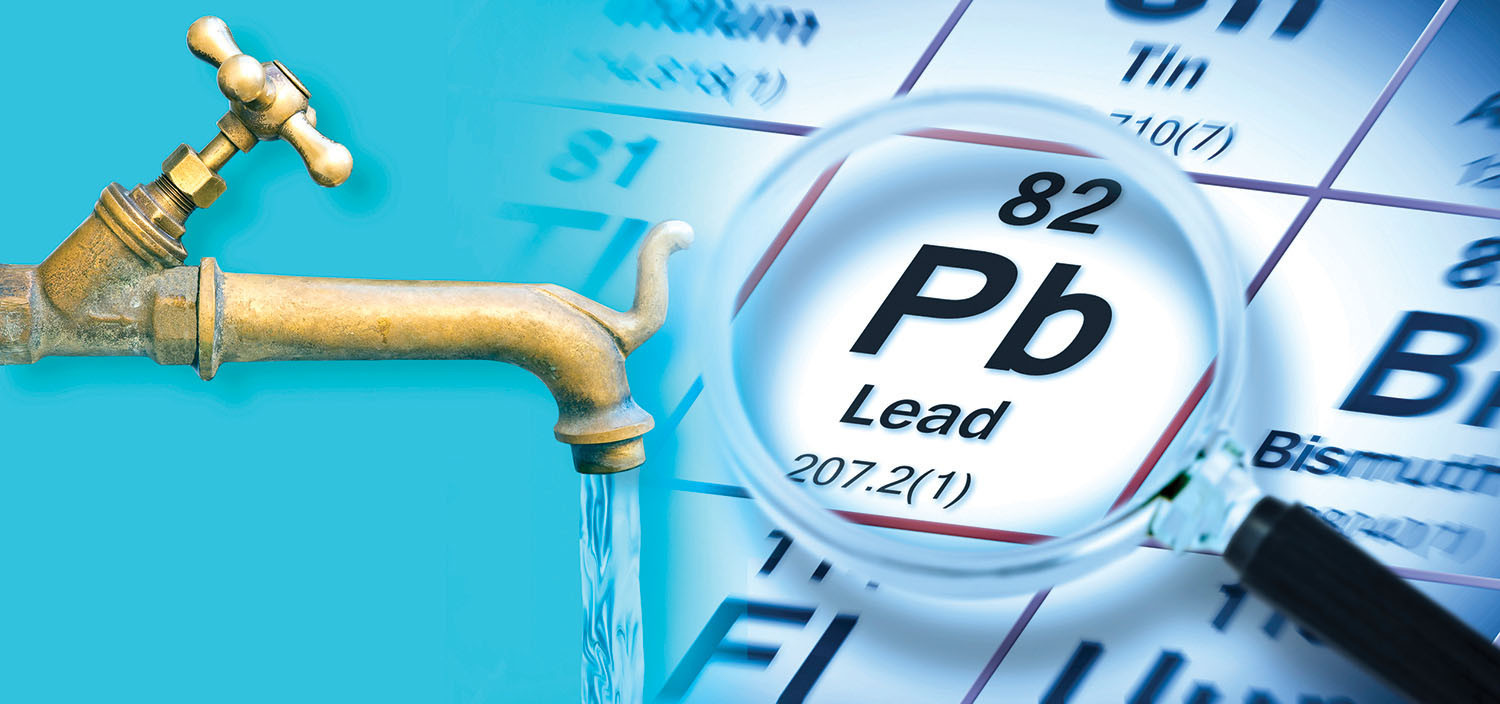
The dirt on soil and water pollution
Soil and water pollution from heavy metals, pesticides, and microplastics may affect a person's risk of cardiovascular disease. These pollutants can enter the body when people eat crops grown in dirty soil, drink water contaminated by dirty soil, or inhale soil dust. Lead, cadmium, and arsenic are among the most pressing concerns. Potentially helpful actions include testing one's drinking water, buying organic foods, and minimizing plastic use.
Hip bursitis vs. arthritis: How to tell the difference
Fitness for longevity: Which type matters most?
Ministrokes linked to elevated risk of dementia
Continuous glucose monitors benefit people who don't need insulin
CoQ10: Should you take this popular supplement if you're on a statin?
Microplastics: A hidden health threat?
Oat vs. dairy milk: Nutrition, benefits, and downsides
What is tempeh? Benefits, nutrition, and how to use it
Healing after food poisoning
Whole grains may improve several heart risk factors at once
Free Healthbeat Signup
Get the latest in health news delivered to your inbox!
Sign Up
