

Hip bursitis vs. arthritis: How to tell the difference

Fitness for longevity: Which type matters most?

Ministrokes linked to elevated risk of dementia

Continuous glucose monitors benefit people who don't need insulin

CoQ10: Should you take this popular supplement if you're on a statin?

Microplastics: A hidden health threat?

Oat vs. dairy milk: Nutrition, benefits, and downsides

What is tempeh? Benefits, nutrition, and how to use it

Healing after food poisoning

Whole grains may improve several heart risk factors at once
Peripheral artery disease Archive
Articles

Complications after receiving a stent
Two main complications can occur with coronary stents: the gradual renarrowing of the area inside the stent, known as restenosis, and the formation of clots inside the stent, called stent thrombosis.

Build a better breakfast
Eating breakfast is a good opportunity to eat some of the nutrient-rich foods that help keep the heart in good shape. One option is whole-grain toast topped with avocado, which is rich in healthy fats and fiber. Another is oatmeal, known for its ability to lower cholesterol. Adding fruits and nuts provides additional nutrition. Eggs are another acceptable choice, ideally paired with vegetables instead of bacon, sausage, and white toast.

Under pressure: How stress may affect your heart
Mental stress ischemia occurs when emotional stress causes a decline in blood flow to the heart. The condition, which affects about one in six people with heart disease, may more than double a person's risk of heart attack. Mental stress ischemia appears to be caused in part by changes in the wall and inner lining of the heart's smallest blood vessels. Known as microvascular disease, this problem tends to be more prevalent in women. In contrast, a more common cause of chest pain is narrowing of the large arteries of the heart.
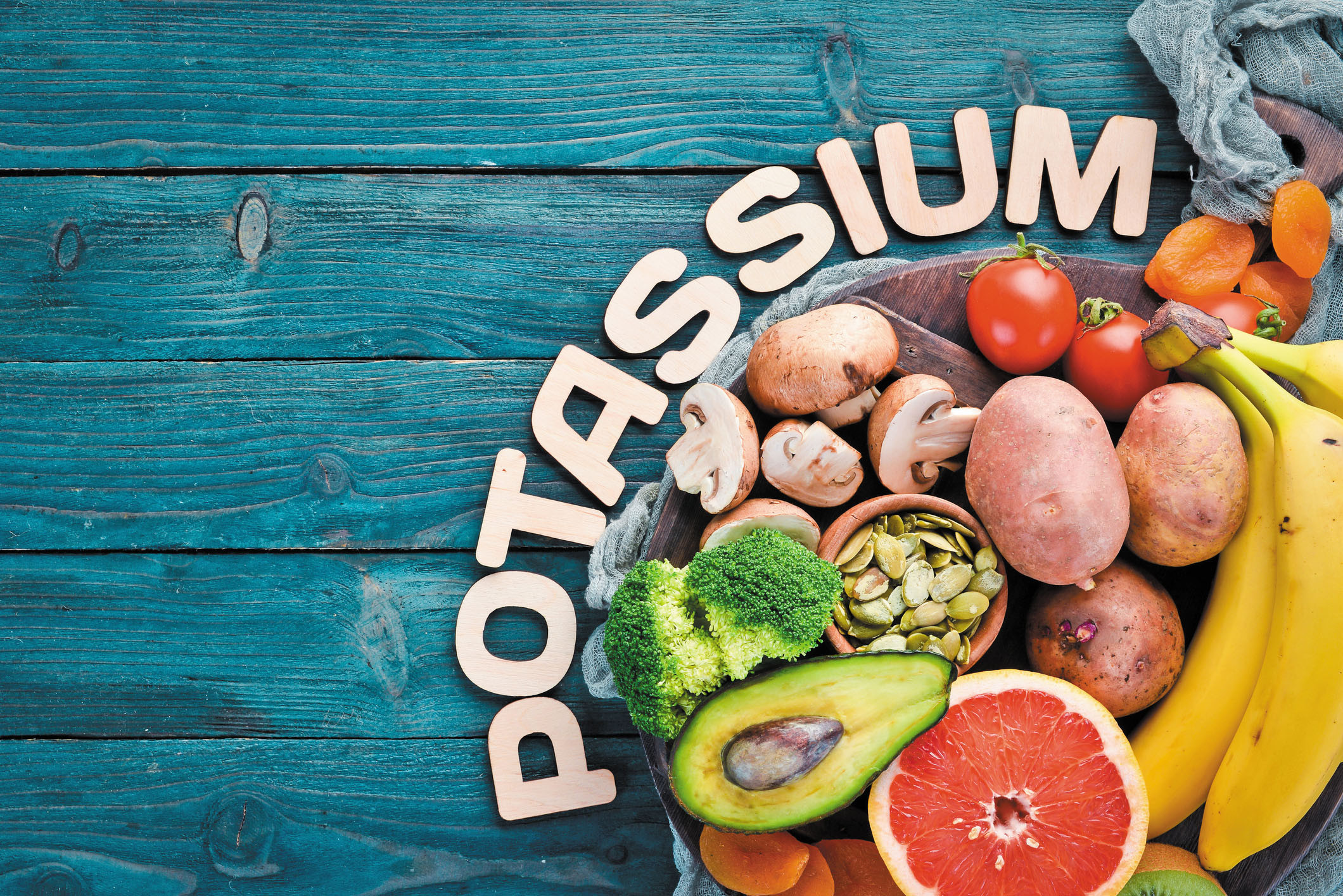
Adding potassium and subtracting sodium may equal better heart health
Consuming less sodium and more potassium may be linked to better heart health, according to a November 2021 study published in the New England Journal of Medicine. After controlling for other risk factors, the researchers found that for every extra 1,000 milligrams (mg) of sodium detected in the urine, there was an 18% increase in the risk of cardiovascular disease. For every extra 1,000 mg of potassium in the urine, there was an 18% decrease in risk.

Meal of the month: Stir-fry supper
Stir-fries feature a healthy dose of vegetables combined with lean protein and a flavorful sauce. When served over steamed brown rice, stir fries are a good example of a well-balanced, nutritious meal.

New guidance on return to youth sports and activity after COVID-19
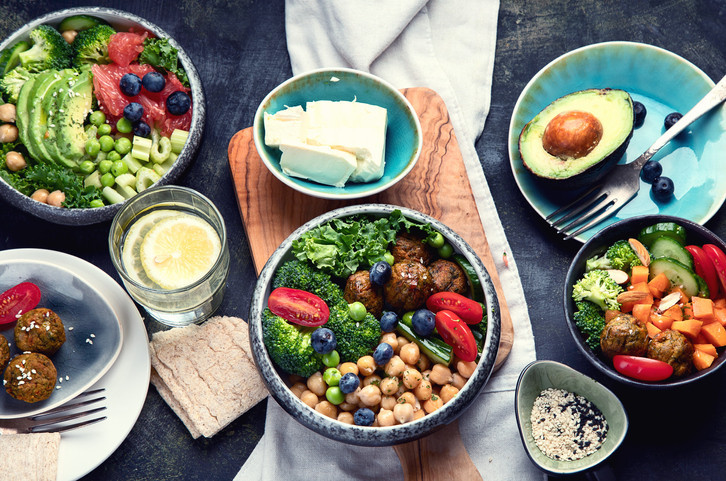
Scoring highly on Alternative Healthy Eating Index lowers risk for many illnesses

The facts on fat and heart health
Dietary fat can both help and hurt heart health, depending on the source. Eating adequate amounts of the "good" fats—monounsaturated and polyunsaturated—can help reduce cholesterol levels and lower blood pressure. "Bad" saturated fat found in many processed foods can have the opposite effect. Following heart-healthy diets like the Mediterranean and DASH diets and making small substitutions in daily eating habits can ensure people get the proper amounts of good fats.

The best bedtime for heart health?
People who fall asleep between 10 and 11 p.m. may be less likely to develop heart disease than those who start their slumber earlier or later.

A new way to detect dangerous blood clots
A substance that binds to blood clots may one day offer a novel, less invasive strategy for finding dangerous clots in the heart and elsewhere in the body.
Hip bursitis vs. arthritis: How to tell the difference
Fitness for longevity: Which type matters most?
Ministrokes linked to elevated risk of dementia
Continuous glucose monitors benefit people who don't need insulin
CoQ10: Should you take this popular supplement if you're on a statin?
Microplastics: A hidden health threat?
Oat vs. dairy milk: Nutrition, benefits, and downsides
What is tempeh? Benefits, nutrition, and how to use it
Healing after food poisoning
Whole grains may improve several heart risk factors at once
Free Healthbeat Signup
Get the latest in health news delivered to your inbox!
Sign Up
