

Hip bursitis vs. arthritis: How to tell the difference

Fitness for longevity: Which type matters most?

Ministrokes linked to elevated risk of dementia

Continuous glucose monitors benefit people who don't need insulin

CoQ10: Should you take this popular supplement if you're on a statin?

Microplastics: A hidden health threat?

Oat vs. dairy milk: Nutrition, benefits, and downsides

What is tempeh? Benefits, nutrition, and how to use it

Healing after food poisoning

Whole grains may improve several heart risk factors at once
Physical activity and exercise Archive
Articles
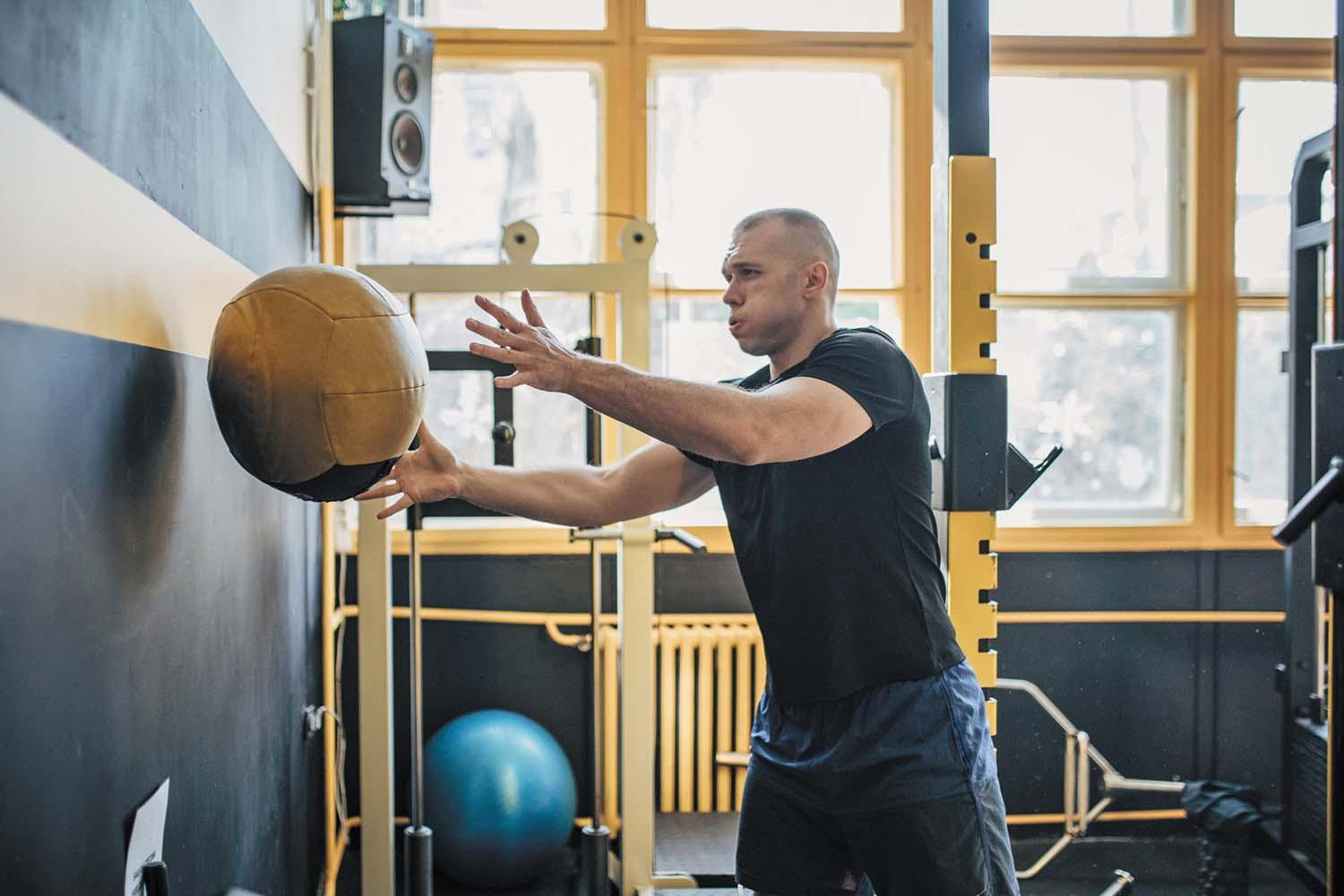
Power play
Power is the ability to generate a large amount of force in a short amount of time. It can help people to properly and safely execute many everyday movements, such as climbing stairs, lifting and carrying heavy objects, twisting, pulling, and throwing. Power also improves movement efficiency and reaction time, helping to prevent injuries from falls. Increasing overall muscle mass with regular strength training and doing plyometric exercises and explosive moves using a medicine ball can help build power.

Eating diverse flavonoid foods may provide extra health protection
Eating a variety of flavonoid-rich foods may offer greater protection against cardiovascular disease and cancer than eating only a few high-flavonoid foods, according to a 2025 study.
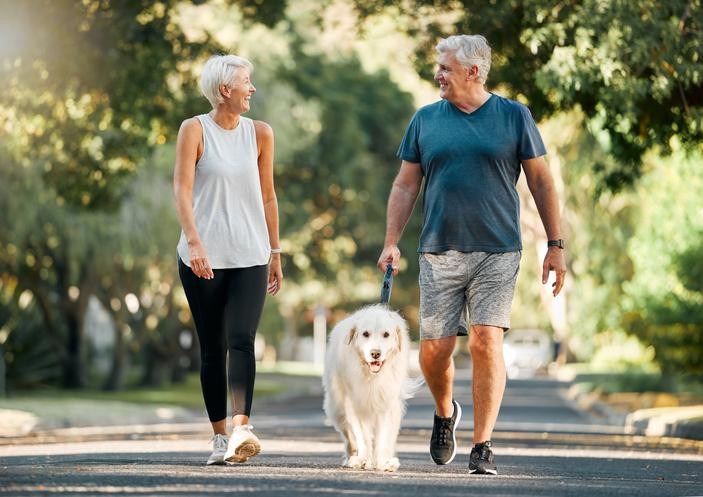
Timing and consistency of activity linked to better fitness
A 2025 study found that exercising earlier in the day (before 1 p.m.) offered more benefits like better lung and heart health and walking efficiency compared with exercising later in the day (after 4 p.m.).

Heart disease and depression: A two way street
A heart disease diagnosis may trigger a bout of depression. But having depression can also leave people more vulnerable to heart disease. Some of the overlap stems from shared lifestyle factors, such as inactivity and an unhealthy diet. In addition to addressing those issues, other safe and effective ways to ease depression include working with a therapist, using a light box, and taking medications.
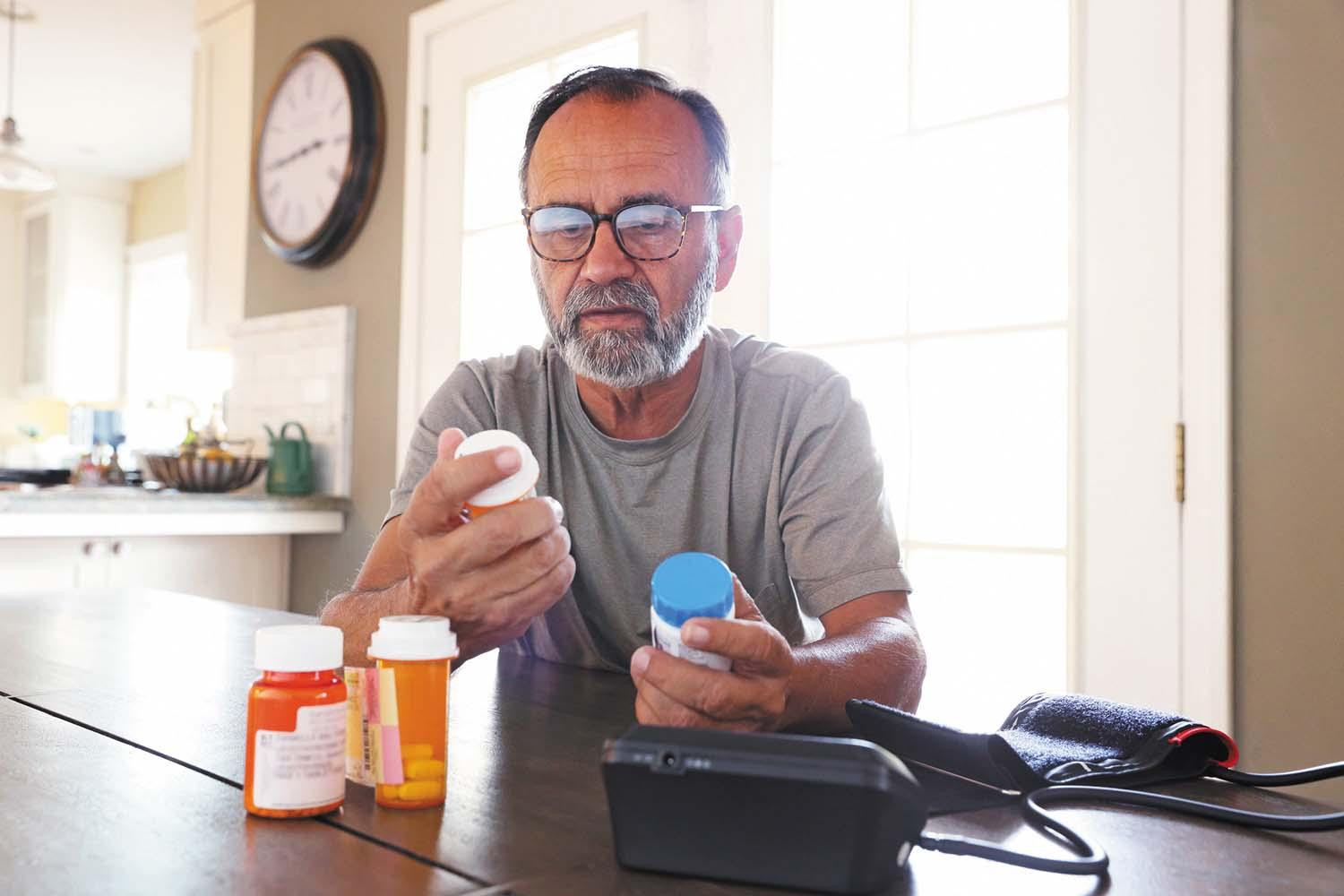
Staying healthy after a heart procedure
After common heart procedures or surgeries, medications to help prevent heart attacks and strokes are essential. These include a combination of drugs to prevent blood clots (which is known as dual antiplatelet therapy and usually taken for just one year); drugs to lower LDL cholesterol down to 70 milligrams per deciliter or lower; and drugs to keep blood pressure and blood sugar in a healthy range.
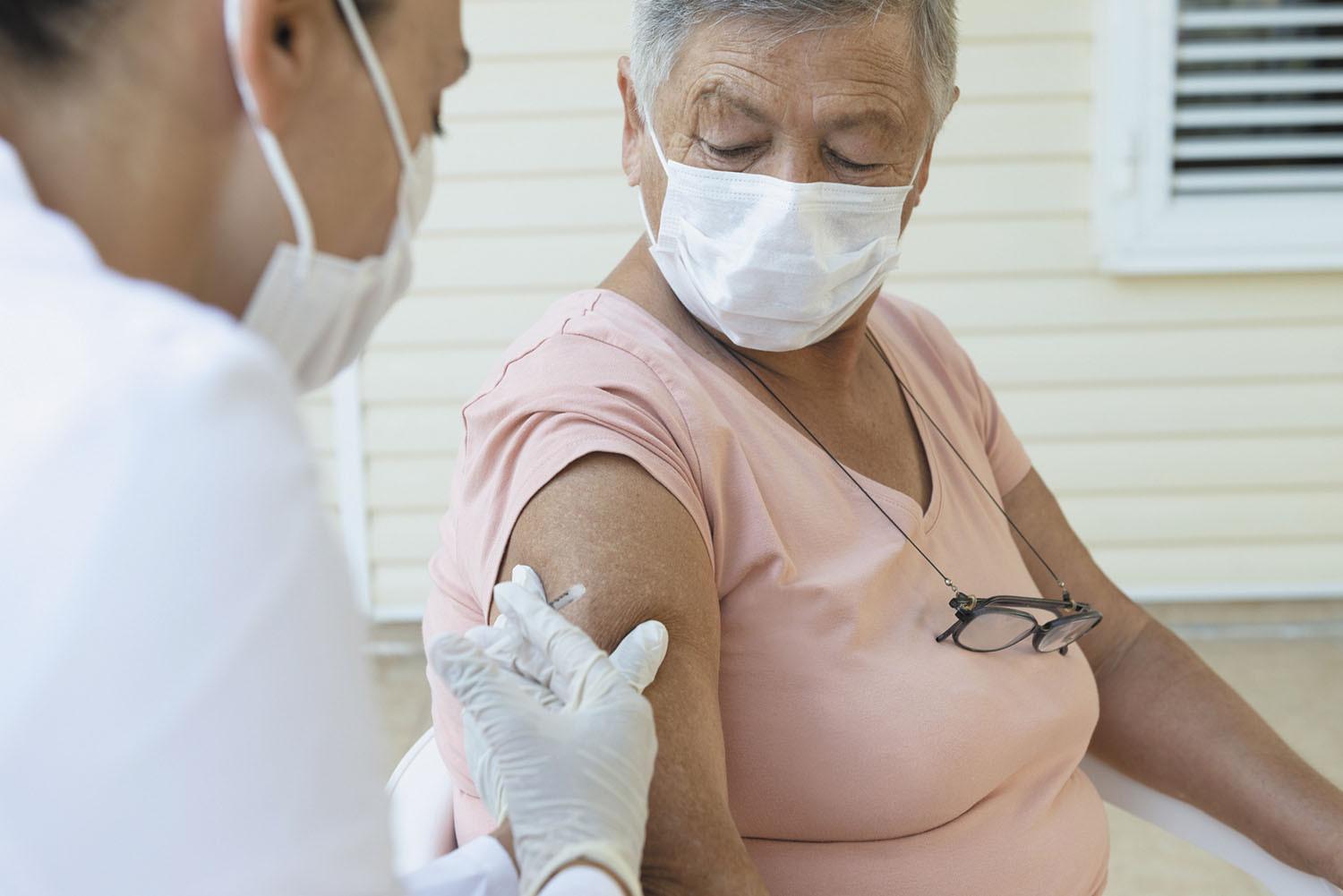
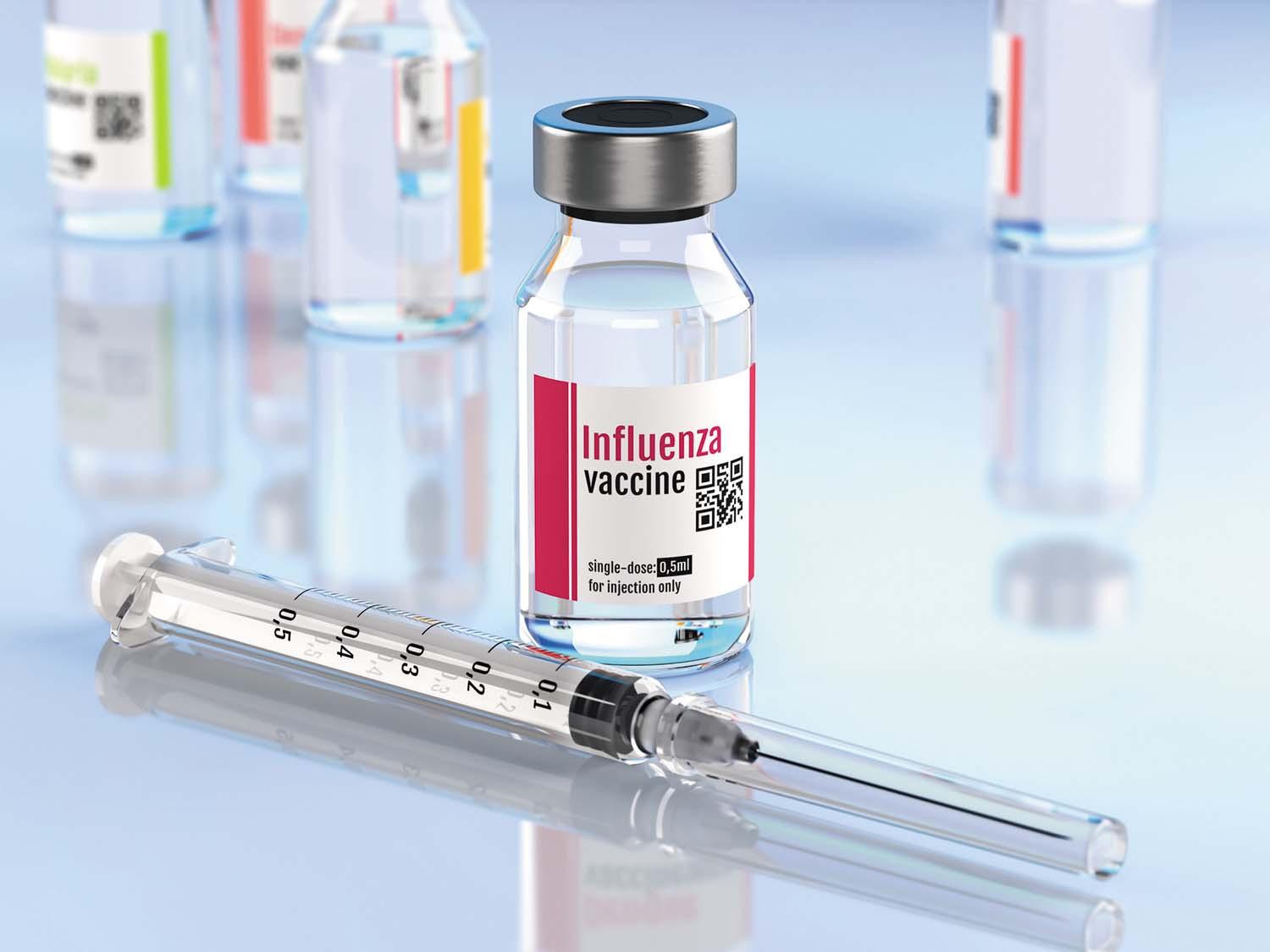
Why do we need new flu shots every year?
With influenza virus, a new vaccine must be developed each year to adapt to the virus's changing structure.
When will we see a "one-and-done" flu shot?
Scientists are trying to create a vaccine that would protect people against all different strains of the influenza (flu) virus. These vaccines are being designed to target parts of the flu virus that don't change regularly and so are consistent across all strains. The perfect vaccine would also prevent symptoms (since current vaccines help prevent hospitalization and death, but not symptoms), and its effects would last for a lifetime. While such a vaccine is still many years away from reality, improved flu vaccines are expected in the meantime.
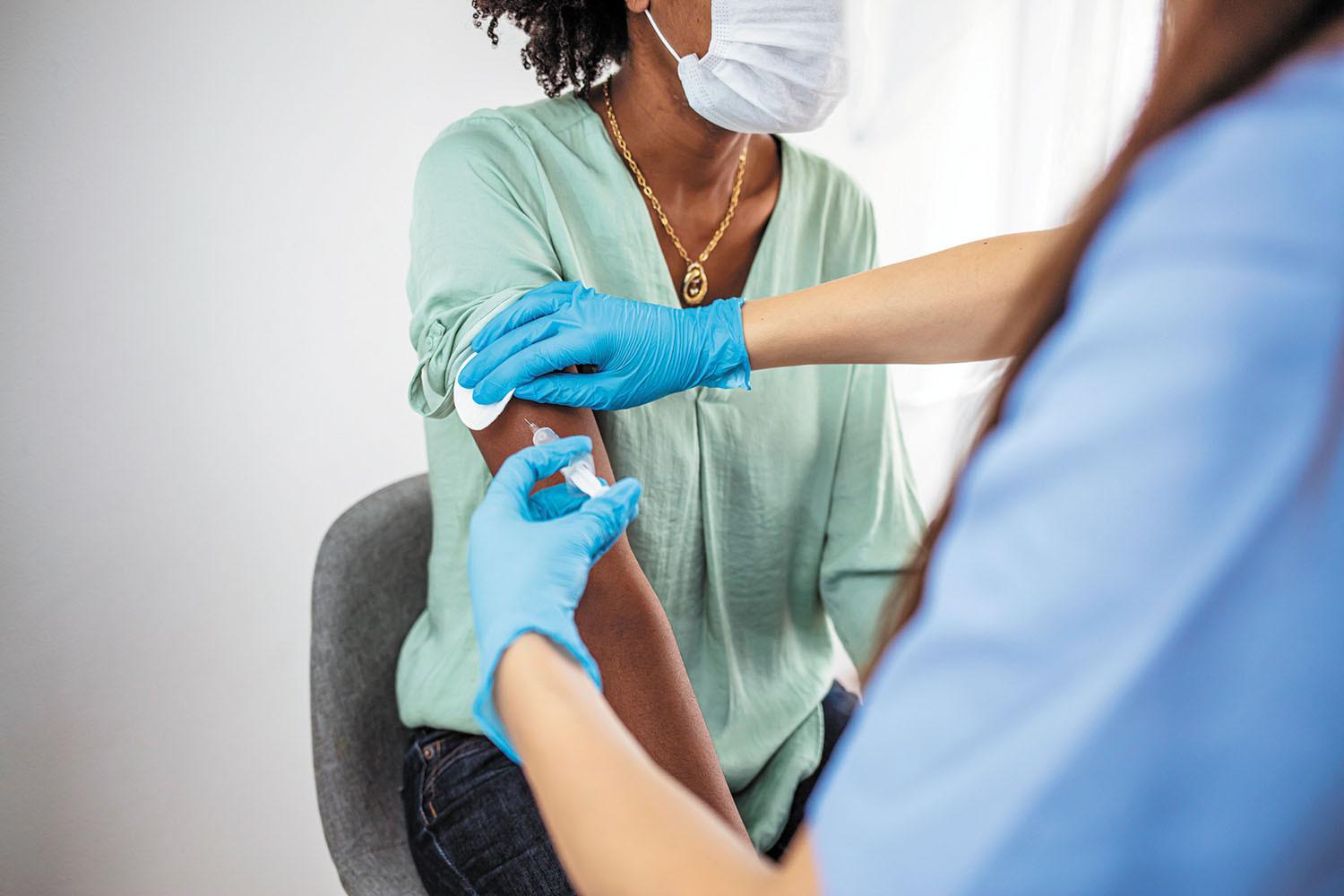
Why does my arm hurt after I get a shot?
Arm tenderness is the most common side effect after vaccination. The injection stretches muscle fibers and triggers an immune response, causing discomfort. People can counter pain by moving the injected arm afterward and applying a cool compress or ice pack.
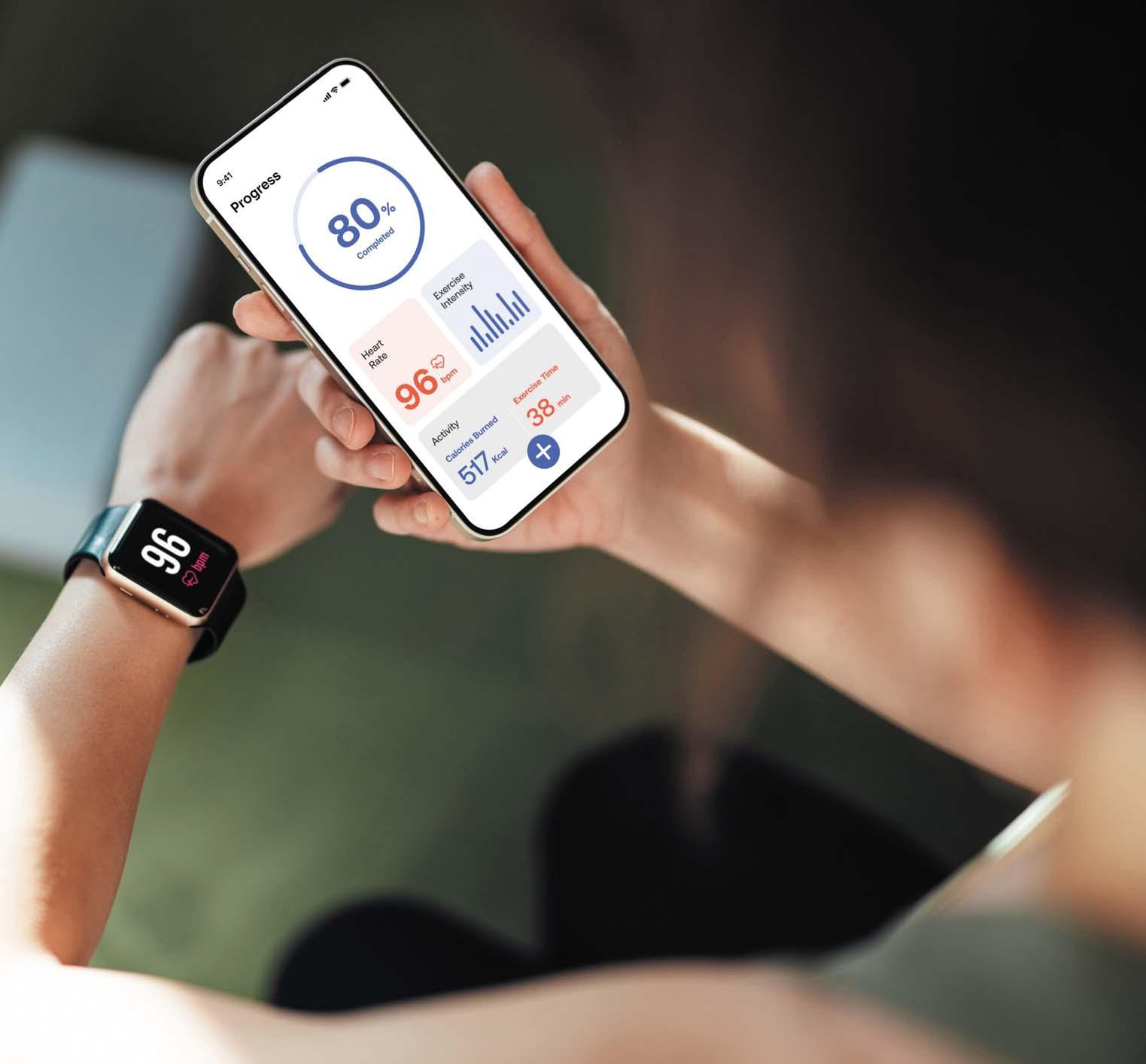
Smarter, safer workouts with a wearable fitness tracker
Wearable fitness trackers like smart watches offer measurable and motivating data for exercise routines and safety, especially for people with heart conditions. Features include movement reminders, step counts (a daily total of 4,000 to 7,000 steps is considered beneficial), heart rate zones for exercise intensity, and measurements of heart rate recovery and variability to assess overall heart health. These tools can help optimize workouts and reveal potential issues.

Walking pace linked to reduced risks for an irregular heartbeat
In a 2025 study of more than 420,000 participants followed for about 13 years, people who walked at a steady or brisk pace had up to a 43% lower risk for developing heart arrhythmias, compared with those who walked at a slow pace.
Hip bursitis vs. arthritis: How to tell the difference
Fitness for longevity: Which type matters most?
Ministrokes linked to elevated risk of dementia
Continuous glucose monitors benefit people who don't need insulin
CoQ10: Should you take this popular supplement if you're on a statin?
Microplastics: A hidden health threat?
Oat vs. dairy milk: Nutrition, benefits, and downsides
What is tempeh? Benefits, nutrition, and how to use it
Healing after food poisoning
Whole grains may improve several heart risk factors at once
Free Healthbeat Signup
Get the latest in health news delivered to your inbox!
Sign Up
