

Hip bursitis vs. arthritis: How to tell the difference

Fitness for longevity: Which type matters most?

Ministrokes linked to elevated risk of dementia

Continuous glucose monitors benefit people who don't need insulin

CoQ10: Should you take this popular supplement if you're on a statin?

Microplastics: A hidden health threat?

Oat vs. dairy milk: Nutrition, benefits, and downsides

What is tempeh? Benefits, nutrition, and how to use it

Healing after food poisoning

Whole grains may improve several heart risk factors at once
Positive Psychology Archive
Articles

Looking for an earlier sign of Alzheimer’s disease
Subjective cognitive decline often appears before memory loss and other symptoms.
Recent research suggests that the brain changes leading to Alzheimer's disease begin many years before the onset of symptoms.
Most often the disease is not diagnosed until it exists in full force, so finding earlier changes in thinking or behavior may help scientists better understand this process.

The art of pain therapy
Art therapy can be an effective way to help manage pain.
Image: © Zinkevych/Getty Images
If you deal with pain from an injury, surgery, or just daily life, you may want to make some art.
Art therapy is a form of expressive therapy that taps into parts of the brain involved in the creative process. And this can help modify your response to emotional and physical concerns.

Arthritis drugs do little for sufferers’ mental health
In the journals
Many people with rheumatoid arthritis (RA) also deal with ongoing depression and anxiety related to their pain and disability. While drugs used to treat the disease help alleviate the joint pain and stiffness, a recent study suggests they may not extend to improving patients' mental health.
The findings, published online June 6, 2018, by Arthritis & Rheumatology, reviewed more than 70 clinical trials and found only a small association between various drugs used for RA, such as adalimumab (Humira), rituximab (Rituxan), abatacept (Orencia), and tocilizumab (Actemra), and mental health outcomes in patients.

Tips to cope when it’s time to downsize
Asking for help from friends and family and then engaging with your new community will get you through the transition.
Image: © IPGGutenbergUKLtd/Getty Images
Downsizing from a large home to a smaller one is a fact of life for many older adults. The reason may be finances, health issues, or a desire to simplify your lifestyle. But making the transition can bring a host of emotions: sadness, grief, stress, or anxiety.
Understanding the triggers for these feelings and using strategies to navigate them may not change how you feel, but it may help the downsizing process go more smoothly so you can focus on your next chapter.

Do common viruses play a role in Alzheimer’s disease?
Research we're watching
Image: © Reptile8488/Getty Images
A new study published online June 21 by the journal Neuron links two common viruses to Alzheimer's disease. Based on data from three brain banks, researchers found that the brains of people with Alzheimer's disease had up to twice the levels of two viruses — herpesviruses 6A and 7 — compared with the brains of people who did not have dementia. The virus genes also appeared to have interacted with the human DNA in cells in the brain in ways that might have affected Alzheimer's disease risk.
Infection with these herpesviruses is very common. Up to 90% of people may be exposed to these viruses in childhood. They cause, among other things, a mild infection known as roseola, which produces a rash and a fever.
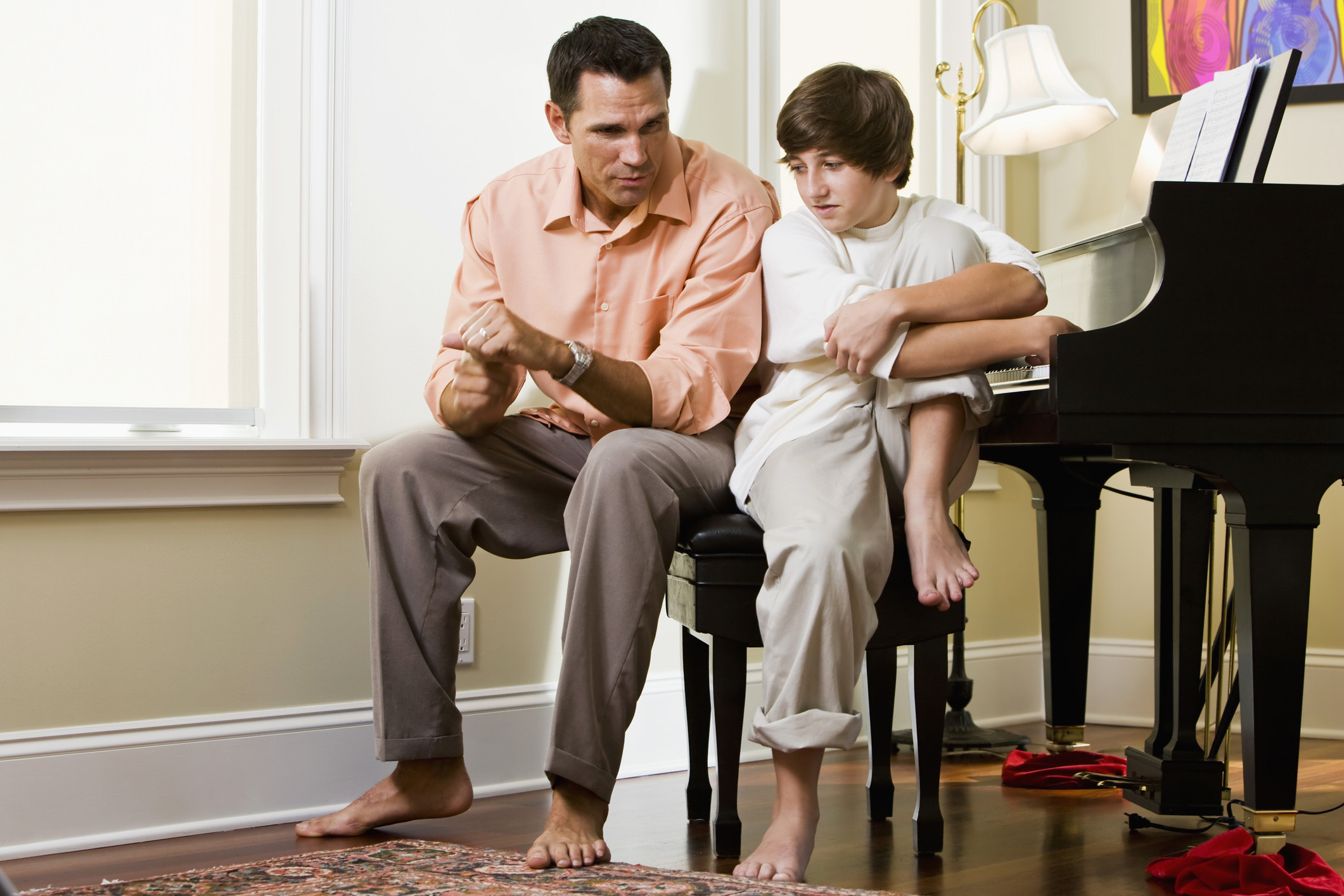


6 keys to finding a high-quality addiction treatment center

Challenge your mind, no matter what your age
News briefs
Image: © Stockbyte/Getty Images
An observational study published online May 30, 2018, by JAMA Psychiatry found that engaging in intellectually stimulating activities, even later in life, may lower the odds of dementia. Researchers followed over 15,000 Chinese men and women in their 70s for seven years with annual assessments of health and lifestyle habits, including a variety of leisure activities. The odds of being diagnosed with dementia during the study period were 29% lower in people who challenged their brains daily with such activities as playing board games, reading, and even betting on horse racing. In contrast, less mentally demanding recreational activities (like watching TV or shopping) or social activities (like going to tea with friends) did not appear to be associated with a lower risk of dementia. Other studies have found similar evidence, but this one made a special effort to adjust for factors like better overall health that might otherwise account for the association between brain exercise and dementia.
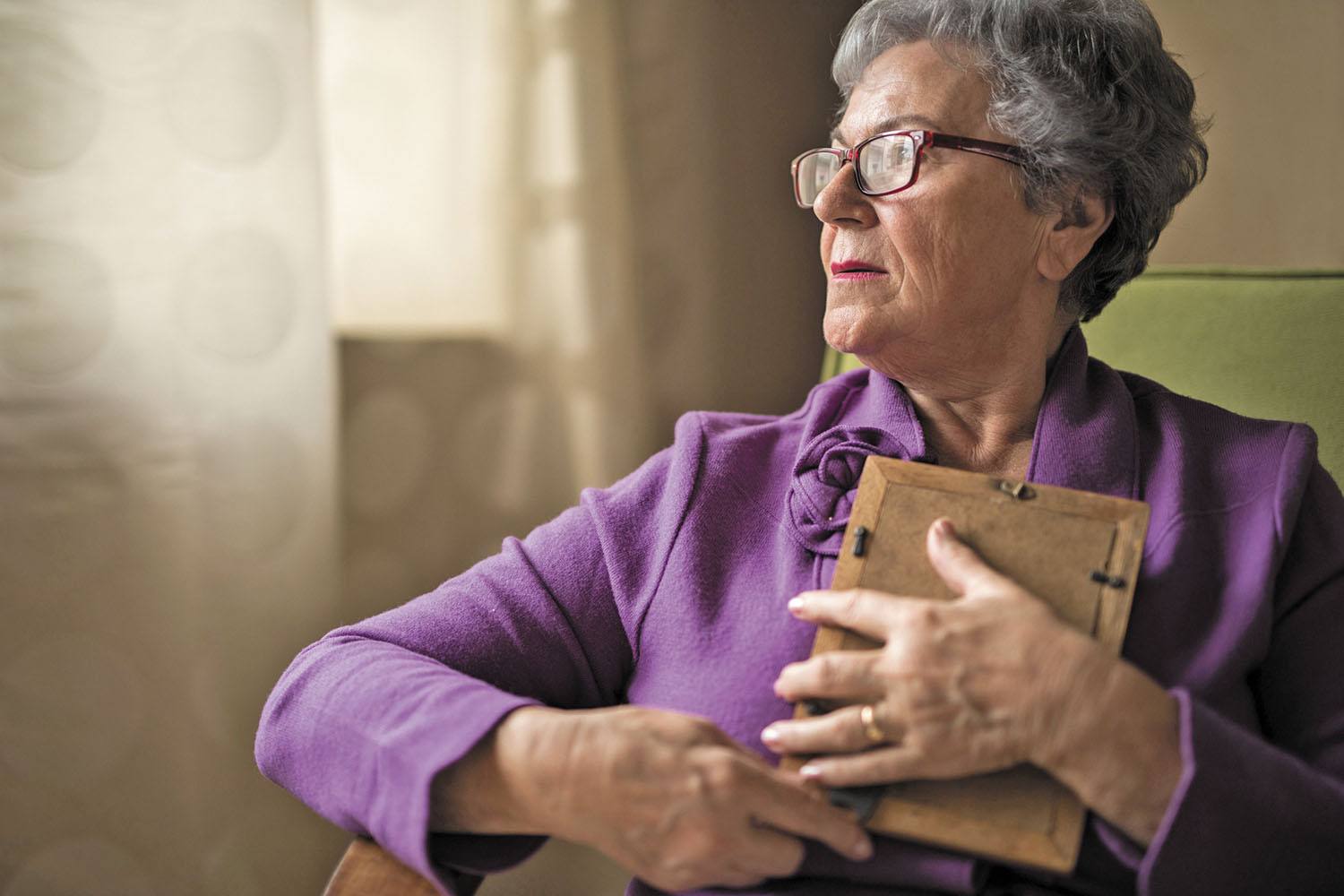
Does loneliness play a role in cardiovascular problems?
Staying connected to friends, neighbors, and your community may protect your heart.
Image: © StockPlanets/Getty Images
The lonely hearts club may be larger than you realize. About a third of older adults say they frequently feel lonely, according to findings from the National Social Life, Health, and Aging Project. And only about half of Americans have meaningful in-person social interactions on a daily basis, such as having an extended conversation with a friend or spending time with family members, suggests a recent survey by the global health service company Cigna.
People whose main social contacts were at their place of work often feel that loss acutely after they retire. Many older adults are also at risk for isolation and loneliness because they're divorced or have lost a partner. But a lack of caring companionship (including from family, friends, or a romantic partner) may make you more vulnerable to a number of health woes. In fact, several studies suggest that isolated and lonely people face a slightly higher risk of heart attack or stroke than people with stronger social networks.
Hip bursitis vs. arthritis: How to tell the difference
Fitness for longevity: Which type matters most?
Ministrokes linked to elevated risk of dementia
Continuous glucose monitors benefit people who don't need insulin
CoQ10: Should you take this popular supplement if you're on a statin?
Microplastics: A hidden health threat?
Oat vs. dairy milk: Nutrition, benefits, and downsides
What is tempeh? Benefits, nutrition, and how to use it
Healing after food poisoning
Whole grains may improve several heart risk factors at once
Free Healthbeat Signup
Get the latest in health news delivered to your inbox!
Sign Up
