

Hip bursitis vs. arthritis: How to tell the difference

Fitness for longevity: Which type matters most?

Ministrokes linked to elevated risk of dementia

Continuous glucose monitors benefit people who don't need insulin

CoQ10: Should you take this popular supplement if you're on a statin?

Microplastics: A hidden health threat?

Oat vs. dairy milk: Nutrition, benefits, and downsides

What is tempeh? Benefits, nutrition, and how to use it

Healing after food poisoning

Whole grains may improve several heart risk factors at once
Prebiotics & probiotics Archive
Articles
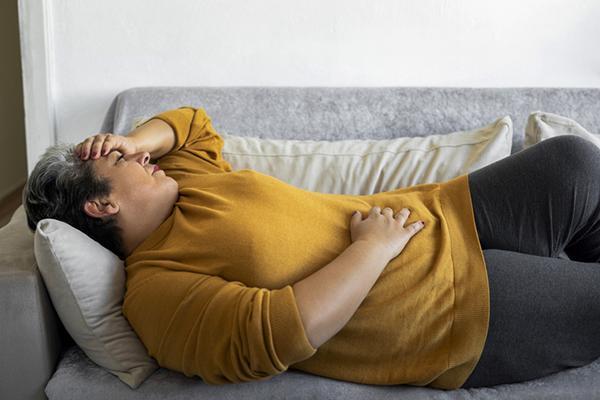
Can changing my diet help with gallstones?
Gallstones can cause sudden, intense pain, but surgery isn't the only option to consider. See how eating habits may affect future flare‑ups.
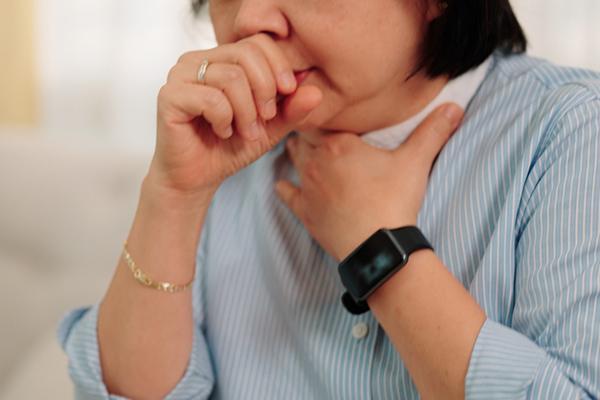
Could coughing be caused by acid reflux?
A cough that eases only after eating can be puzzling. Explore how hidden acid reflux might be triggering symptoms at mealtimes and when to ask a doctor about it.
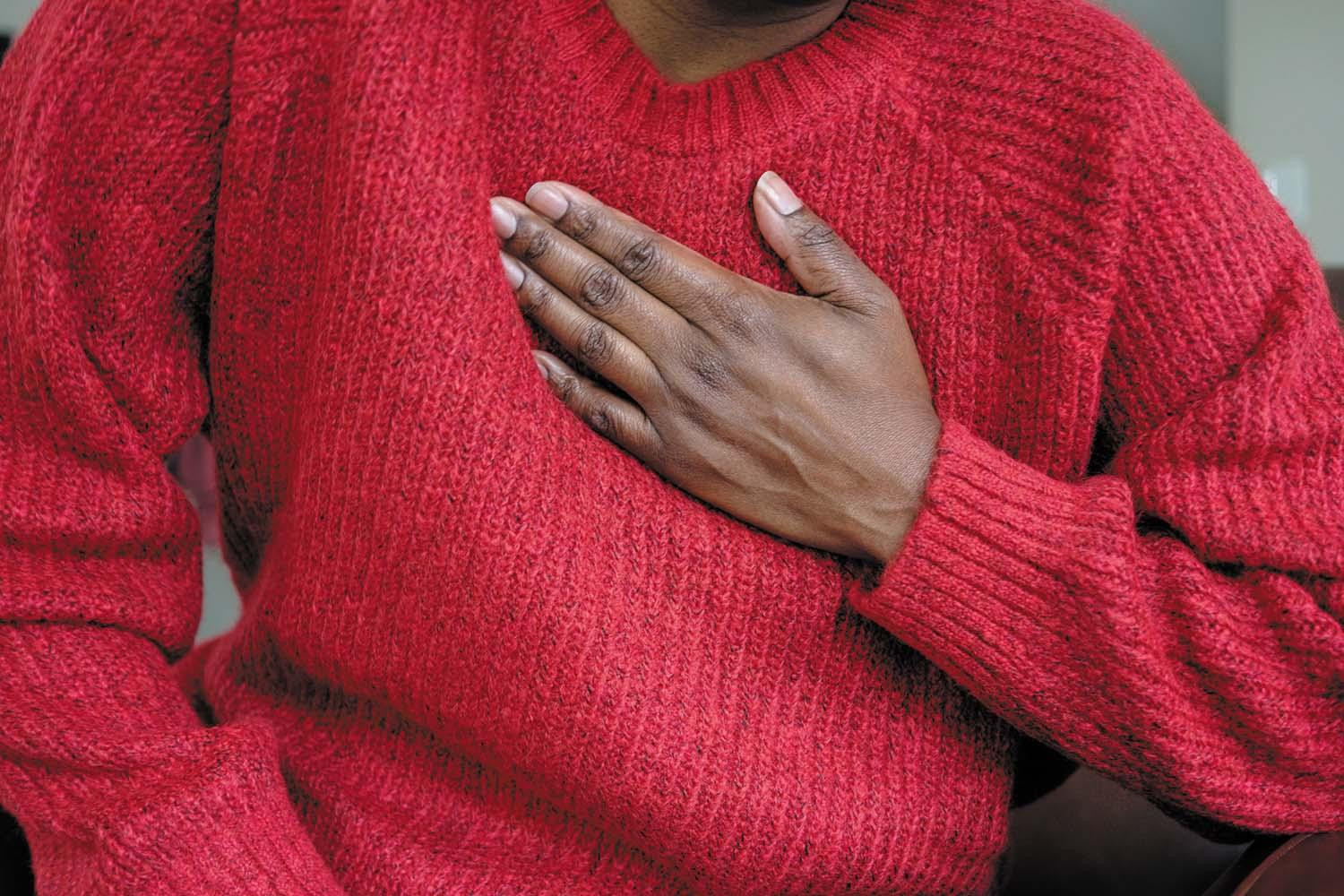
What does heartburn feel like?
Heartburn often starts after a meal. It can create a burning sensation high in the abdomen, just below the bottom of the breastbone, or underneath the middle of the breastbone in the chest. It can also include other symptoms.
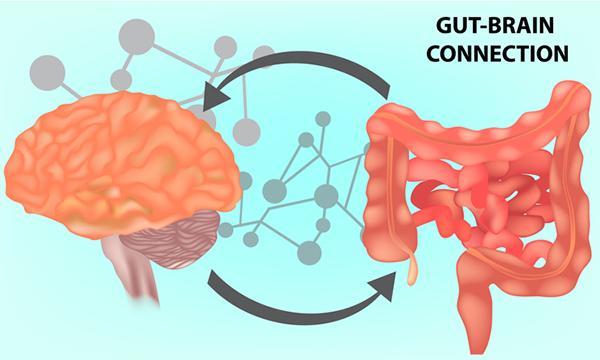
How the gut-brain connection influences mood
The brain communicates with the gastrointestinal tract through a connection scientists call the gut-brain axis. Evidence suggests that when the gut is irritated by triggers such as infection, stress, food, allergies, alcohol, or heredity, the resulting inflammation could influence mood.


5 simple ways to improve gut health
Gut health plays a bigger role in overall well-being than many people realize, affecting digestion, mood, and immunity. Simple daily choices around food, movement, sleep, stress, and hydration can support a healthier, more resilient gut.
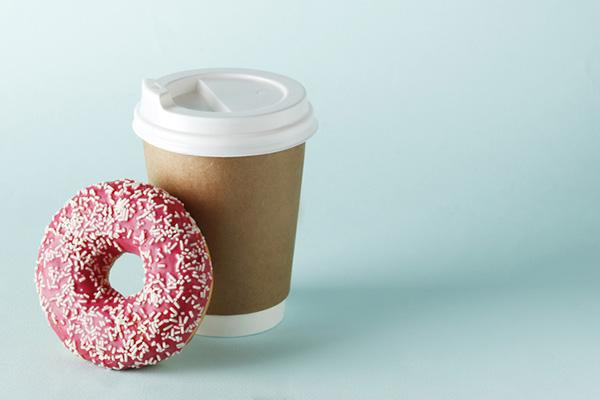
GERD diet: Foods to avoid to reduce acid reflux
Dietary changes can make a big difference for people with gastroesophageal reflux disease (GERD). Foods to limit or avoid include chocolate, onions, and tomato sauce. Adjusting eating habits-by eating smaller portions, for example-might also help people avoid heartburn and other symptoms.
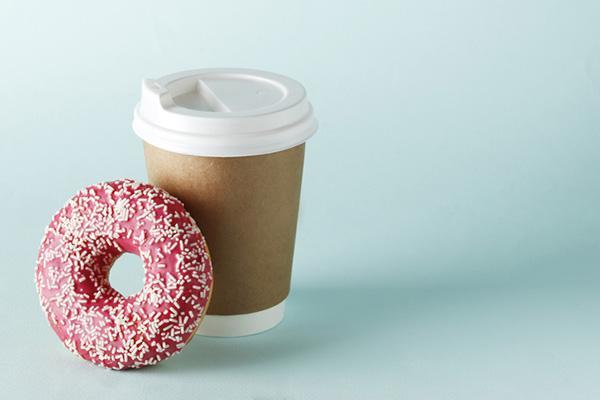
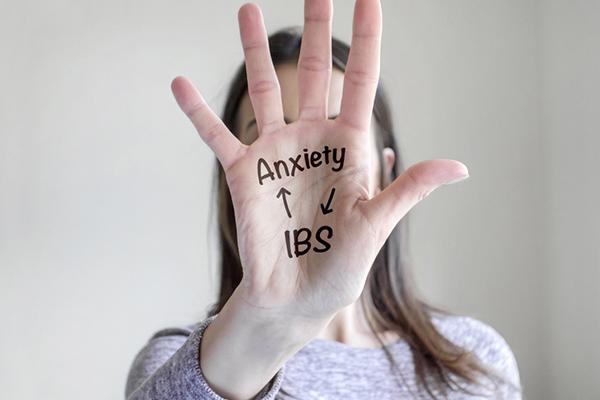
Easing the emotional burden of IBS
People with irritable bowel syndrome (IBS) often struggle with stress, anxiety, and depression. Cognitive behavioral therapy and gut-directed hypnotherapy have the strongest evidence for treating these IBS-related issues. Other interventions like aerobic exercise, yoga, acupuncture, and biofeedback also may be helpful.
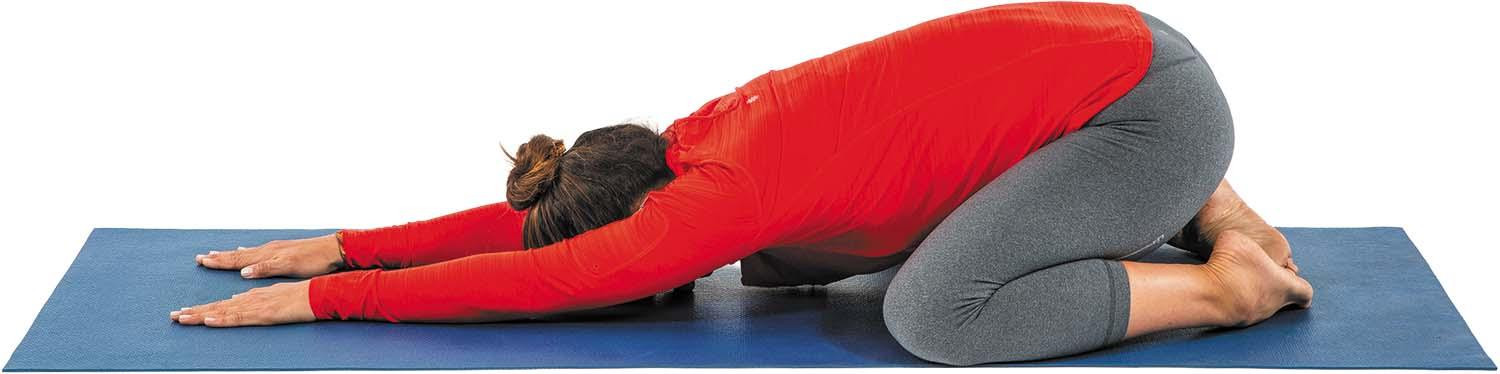
Pelvic floor exercises: Help for incontinence, sexual health, and more
Pelvic floor exercises can involve strengthening or stretching the muscles that support the bladder, bowel, and core. The exercises can lead to better bladder and bowel control. They can also help improve sexual function.
Hip bursitis vs. arthritis: How to tell the difference
Fitness for longevity: Which type matters most?
Ministrokes linked to elevated risk of dementia
Continuous glucose monitors benefit people who don't need insulin
CoQ10: Should you take this popular supplement if you're on a statin?
Microplastics: A hidden health threat?
Oat vs. dairy milk: Nutrition, benefits, and downsides
What is tempeh? Benefits, nutrition, and how to use it
Healing after food poisoning
Whole grains may improve several heart risk factors at once
Free Healthbeat Signup
Get the latest in health news delivered to your inbox!
Sign Up
