

Hip bursitis vs. arthritis: How to tell the difference

Fitness for longevity: Which type matters most?

Ministrokes linked to elevated risk of dementia

Continuous glucose monitors benefit people who don't need insulin

CoQ10: Should you take this popular supplement if you're on a statin?

Microplastics: A hidden health threat?

Oat vs. dairy milk: Nutrition, benefits, and downsides

What is tempeh? Benefits, nutrition, and how to use it

Healing after food poisoning

Whole grains may improve several heart risk factors at once
Pregnancy Archive
Articles
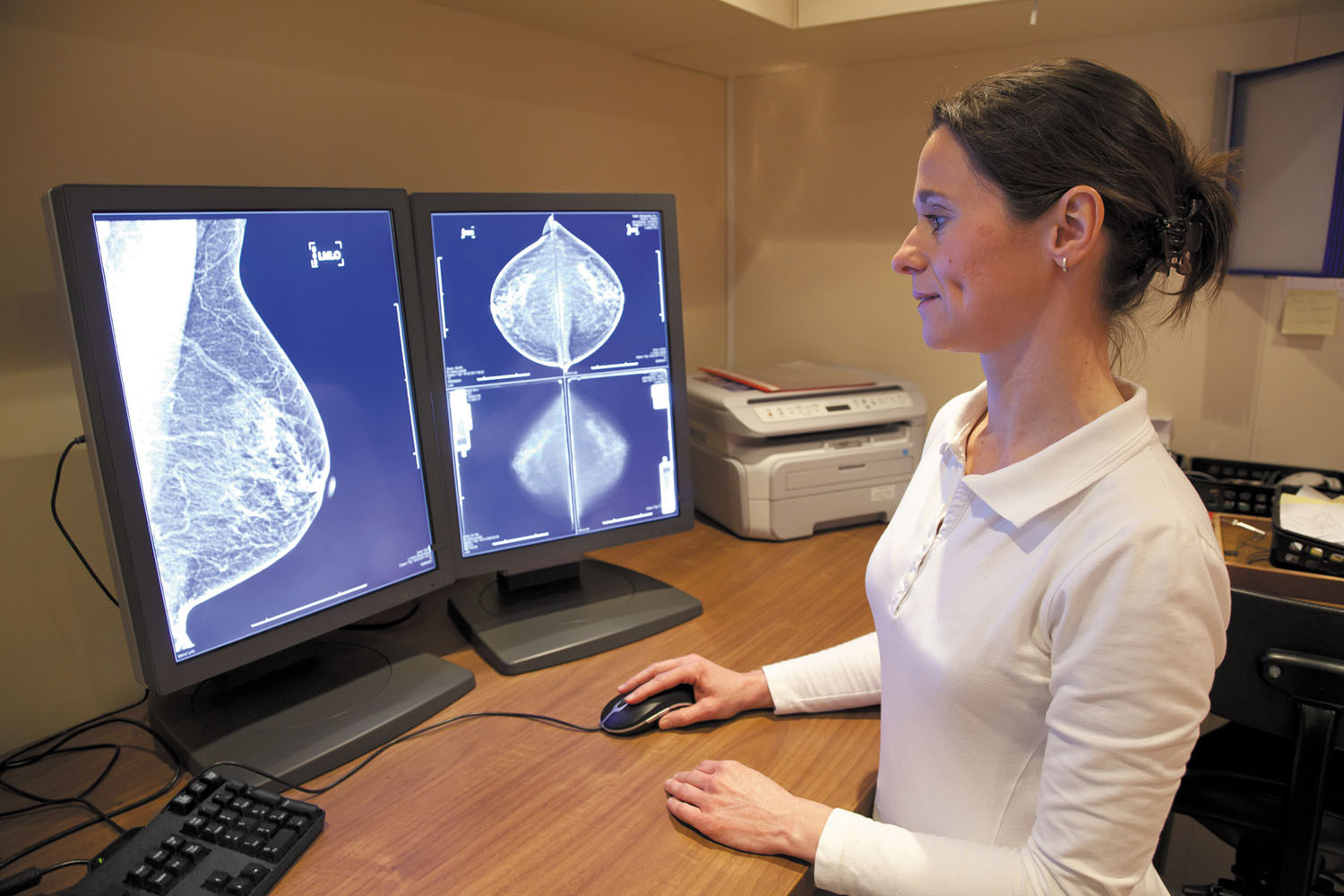
Dealing with high-density breasts
The FDA may require mammography facilities to notify patients about this breast cancer risk factor, but women don't know what to do with this information.
Do you know how dense your breasts are? If you don't, a new proposal by the FDA may mean you will soon find out.
The agency proposed a change that, if approved, will require mammography facilities to send letters informing women about their breast density — a measure of the proportion of active tissue versus fat in their breasts (see "The FDA proposal").

FDA takes some surgical mesh products off the market
Research we're watching
Transvaginal mesh, which has been used in transvaginal pelvic organ prolapse procedures since the 1990s, can no longer be sold in the United States because of concerns over safety and efficacy, according to the FDA. The number of women reporting problems related to these mesh products has grown over the past several years. The FDA said it made the decision because the companies that manufacture the mesh couldn't demonstrate that surgical procedures with their products work better than those without the mesh. They also failed to submit evidence that the mesh is safe and effective over the long term, said the FDA.
Women who have had procedures using mesh and are experiencing complications such as groin pain, persistent vaginal bleeding, pain during sex, or vaginal discharge should notify their doctor. Women who had procedures using mesh but aren't having any issues don't need to take any action aside from having their usual check-ups, said the FDA.


By the way, doctor: My Pap tests show insufficient cells. What does that mean?
Q. For two years in a row, the lab that handles my Pap smears has reported "insufficient cell count." My doctor says it's nothing to worry about, but my health insurance company considers these "abnormal" Paps and has put me in a higher-risk category because of it. Should I be concerned?
A. When lab pathologists evaluate Pap tests for abnormal cells, the goals are to identify cancer that should be removed and precancerous conditions that should be followed closely to watch for any changes. Sometimes the results are unclear because the lab sample doesn't contain enough cells to evaluate ("insufficient cell count") — or because the cells are obscured by inflammation, mucus, or blood from a heavy menstrual period. In these cases, the Pap test is not necessarily abnormal; the specimen is simply inadequate to make any determination.

Managing postmenopausal vaginal atrophy
Vaginal dryness is one of the most irritating symptoms of menopause. Here are some ways to relieve it.
Within a few years of menopause, roughly 50% of women develop symptoms related to vaginal atrophy, also called atrophic vaginitis — the deterioration of vaginal tissues due to loss of estrogen. The most common symptoms of vaginal atrophy are dryness, irritation, and pain during intercourse.
Although menopause is the most common cause, vaginal atrophy can result from anything that lowers estrogen production. That includes chemotherapy, radiation, removal of the ovaries during hysterectomy, and use of anti-estrogenic therapies such as aromatase inhibitors, tamoxifen (Nolvadex), and drugs like leuprolide (Lupron) and nafarelin (Synarel), which are used to treat fibroids and endometriosis. Unlike hot flashes, which usually subside with time, vaginal atrophy is likely to persist and become worse without treatment.

Newer breast screening technology may spot more cancers
Digital breast tomosynthesis may also reduce the number of unnecessary and nerve-racking callbacks for additional testing.
If you're in your 40s, you may want to consider switching from digital mammography to digital breast tomosynthesis (DBT) for your next breast cancer screening, say the authors of a study published online February 28 by JAMA Oncology.
A review of more than 170,000 screening mammograms using the two technologies determined that DBT — sometimes referred to as 3D mammography — did a better job at accurately detecting cancers in women of all ages. The advantages were most pronounced for women in their 40s. DBT was also better at finding cancers in women with high breast density, which can make cancers more difficult to spot on screening exams. High density indicates a larger proportion of active tissue in the breast and is a risk factor for breast cancer.



Hip bursitis vs. arthritis: How to tell the difference
Fitness for longevity: Which type matters most?
Ministrokes linked to elevated risk of dementia
Continuous glucose monitors benefit people who don't need insulin
CoQ10: Should you take this popular supplement if you're on a statin?
Microplastics: A hidden health threat?
Oat vs. dairy milk: Nutrition, benefits, and downsides
What is tempeh? Benefits, nutrition, and how to use it
Healing after food poisoning
Whole grains may improve several heart risk factors at once
Free Healthbeat Signup
Get the latest in health news delivered to your inbox!
Sign Up
