

Hip bursitis vs. arthritis: How to tell the difference

Fitness for longevity: Which type matters most?

Ministrokes linked to elevated risk of dementia

Continuous glucose monitors benefit people who don't need insulin

CoQ10: Should you take this popular supplement if you're on a statin?

Microplastics: A hidden health threat?

Oat vs. dairy milk: Nutrition, benefits, and downsides

What is tempeh? Benefits, nutrition, and how to use it

Healing after food poisoning

Whole grains may improve several heart risk factors at once
Pregnancy Archive
Articles
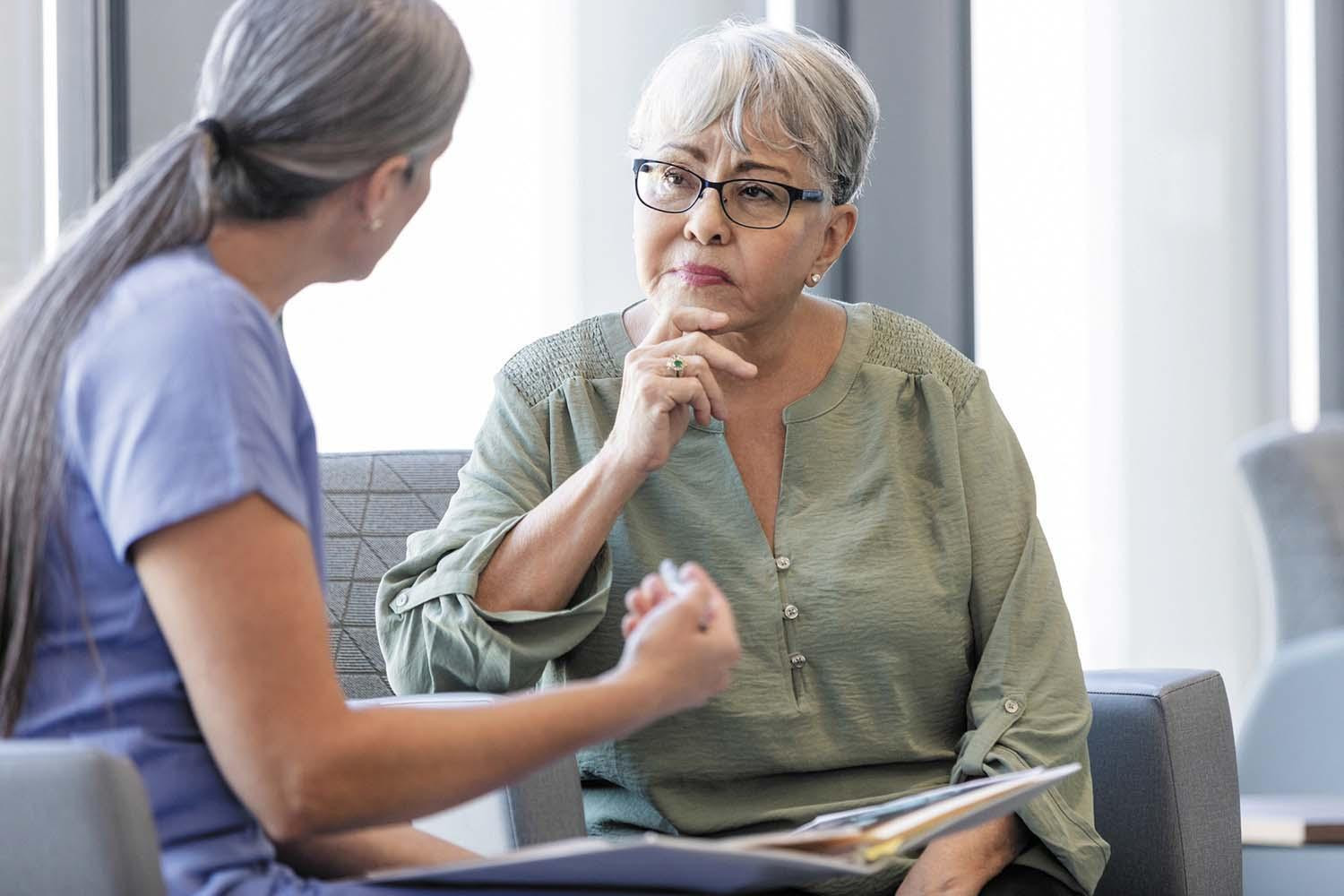
Navigating menopause after cancer
More than 10 million of the nation's 19 million cancer survivors are women, 80% of whom are 60 or older. Cancer survivors going through menopause may not be able to use systemic hormone therapy if their cancer was hormone-driven, but other measures can provide symptom relief. These include various medications and lifestyle modifications such as cognitive behavioral therapy, meditation, acupuncture, and regular exercise. Some women who can't use systemic hormone therapy may still try vaginal estrogen to ease vaginal dryness, some urinary symptoms, or painful sex.
What do vaginal probiotics do?
Vaginal probiotics contain live microorganisms and come in oral and suppository forms. Some ads claim these products can prevent or treat infections. But the vagina regulates its own bacterial mix, so vaginal probiotics aren't necessary.
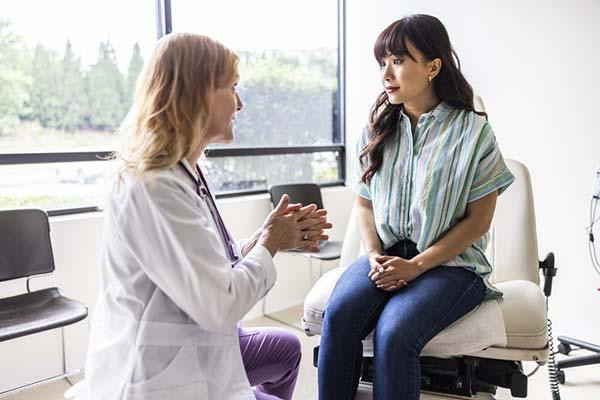
What perimenopause symptoms should I tell my gynecologist about?
Women with unusual pelvic or vaginal symptoms should report them to their gynecologist. These symptoms include vaginal odor, itching, or burning; menstrual changes; pelvic pain or discomfort; or new bleeding.
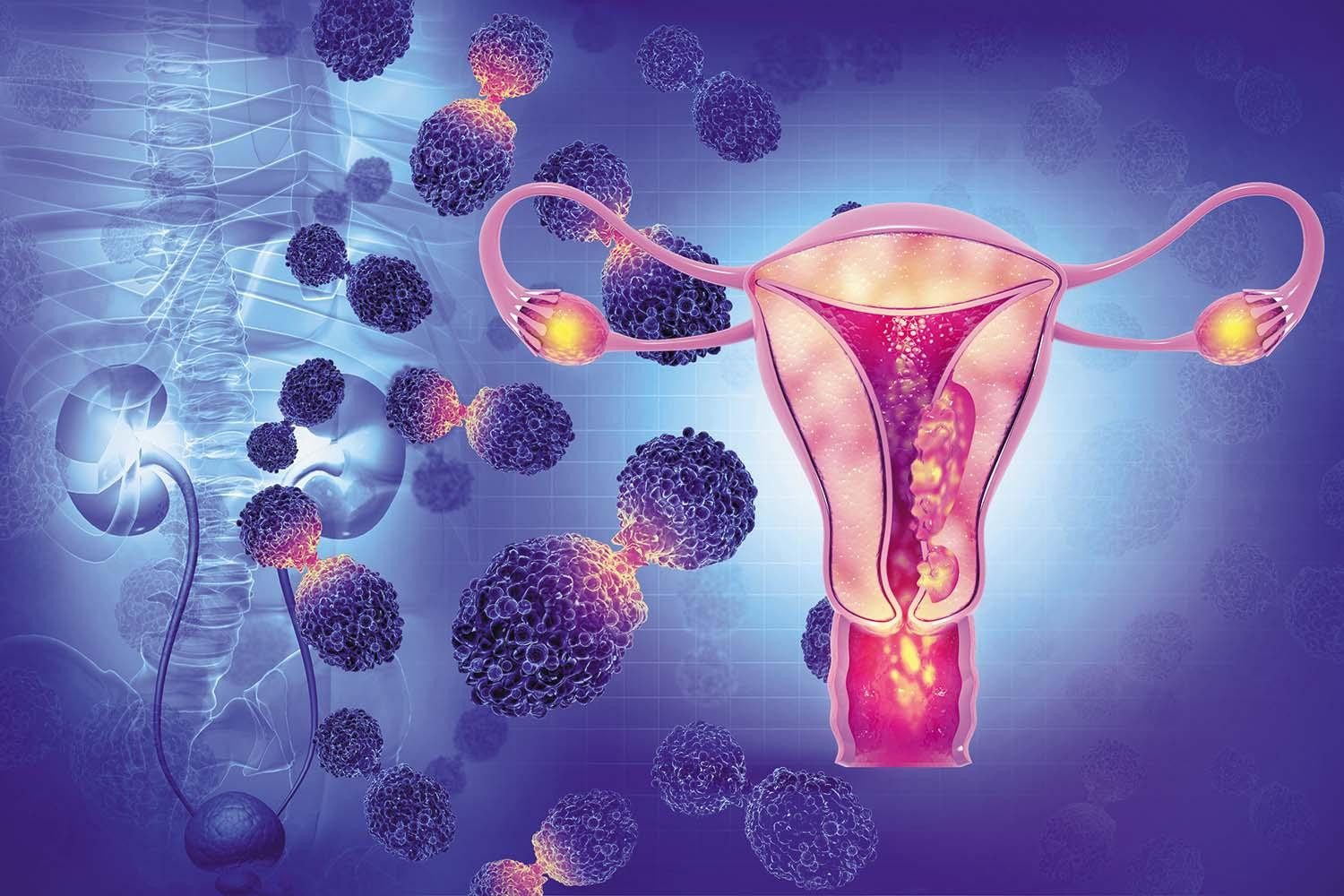
What raises your risk for gynecologic cancer?
Gynecologic cancers, which affect the ovaries, uterus, cervix, vagina, or vulva, are less common than breast cancer. Women can guard against these cancers by learning the risk factors for each type, which include obesity, exposure to human papillomavirus, and smoking. Women should also continue pelvic exams and cervical cancer screenings after a hysterectomy or menopause, as well as watch for unusual symptoms. Women with a strong family history of gynecologic or certain other cancers should consider genetic testing.

Olive oil may reduce breast cancer risk
A 2025 study suggests that consuming more olive oil may lower women's risk of developing breast cancer, especially certain more aggressive types.

Is acetaminophen safe during pregnancy?
A statement from a group of doctors and scientists raised concerns around taking acetaminophen during pregnancy, but research backing this is based on observational studies and animal studies, so that no firm conclusions can be drawn from it. Here's what to consider if you're pregnant.
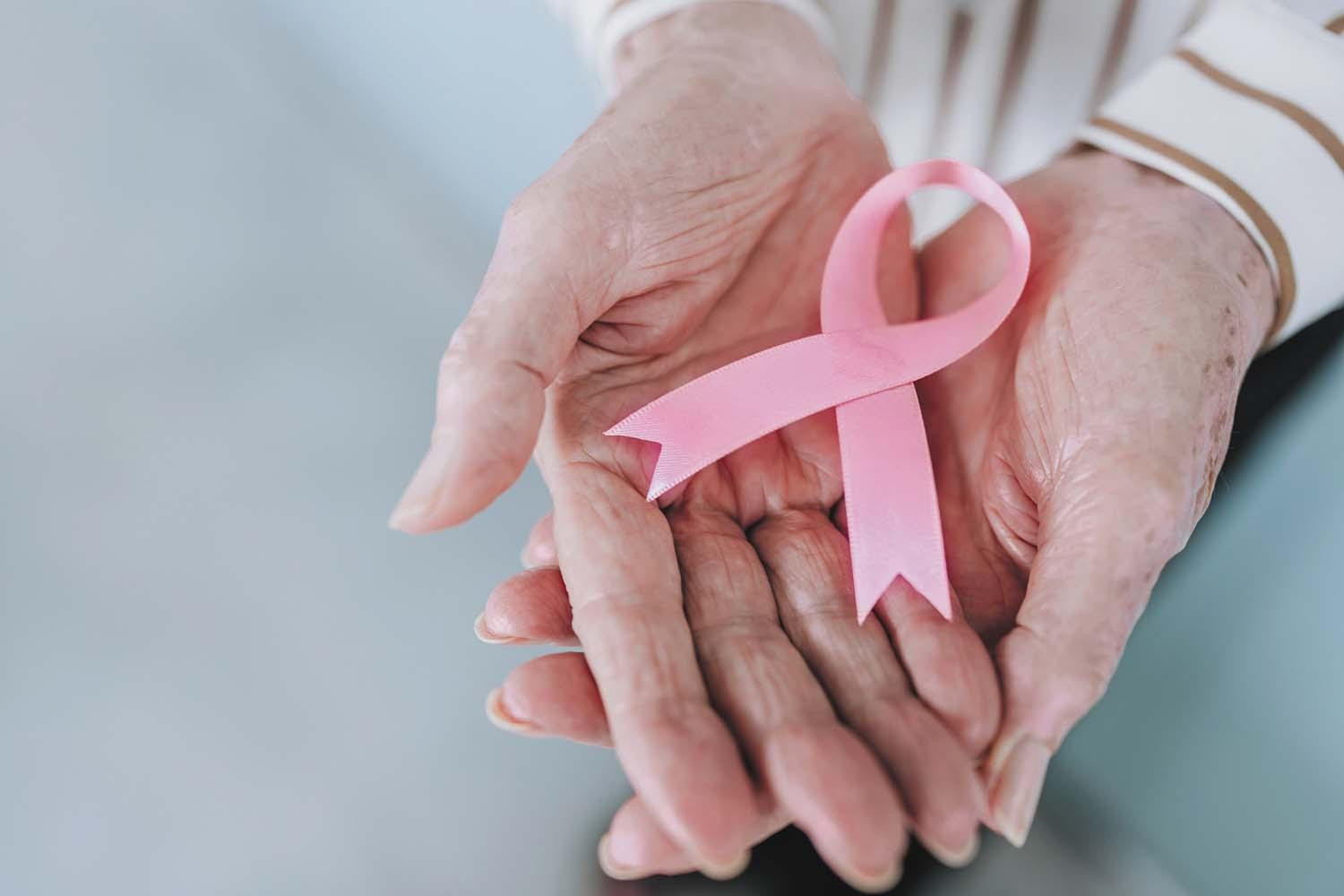
Decoding your breast cancer risk
Breast cancer risk assessment scores can enable clinicians to estimate a woman's risk of developing invasive breast cancer over the next five years, as well as her lifetime risk. The tools ask users about myriad factors that influence breast cancer risk. But risk calculators don't necessarily provide the kind of precision and insight some women seek. A risk score can't tell a woman for certain whether she will or won't develop breast cancer. Risk calculators typically also don't determine when or how often most women should seek mammograms.

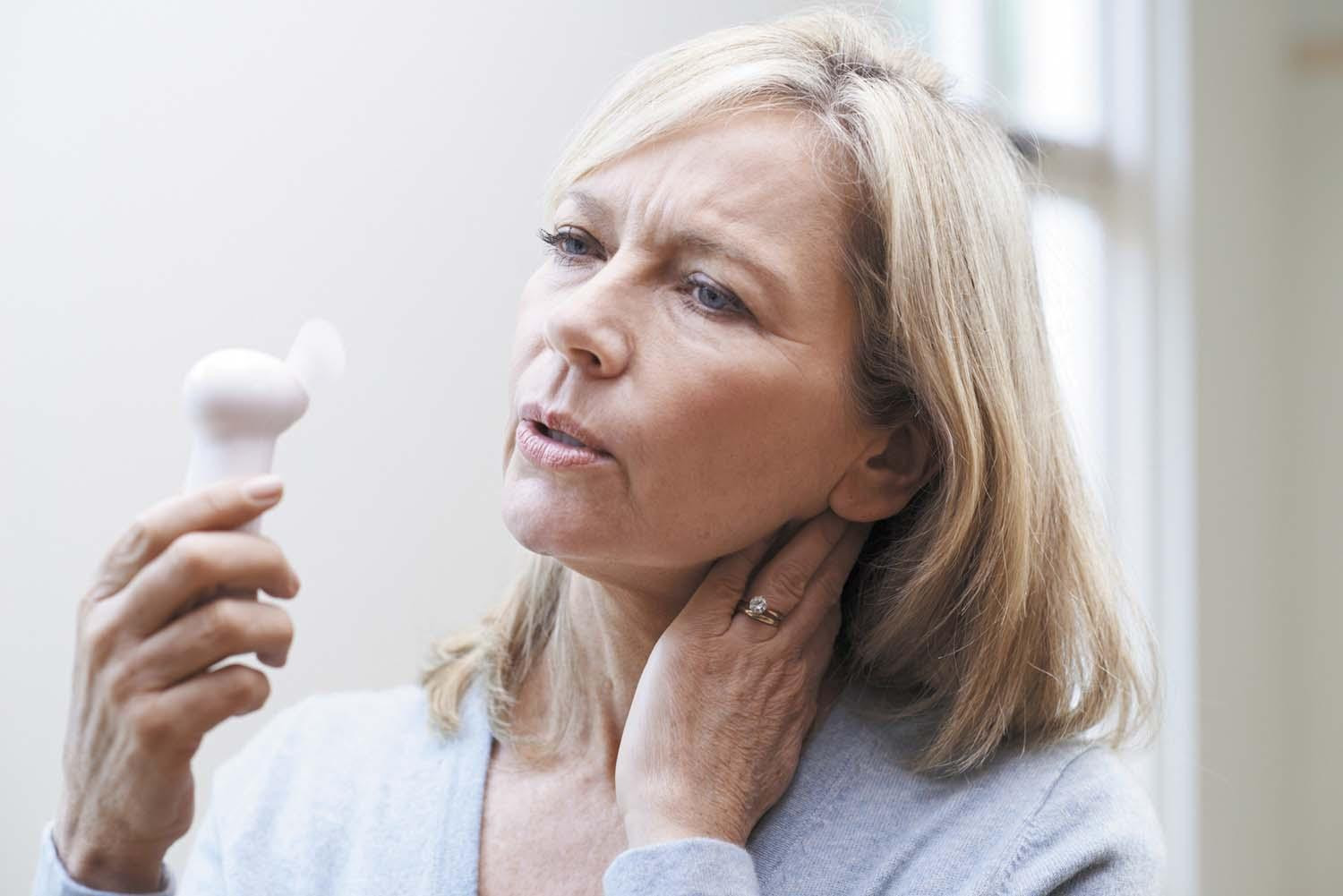
Are hot flashes a warning sign?
Menopausal hot flashes and night sweats, called vasomotor symptoms, are linked in research to higher odds of dementia and cardiovascular disease. But studies don't necessarily account for other health and lifestyle factors that influence brain and heart health. Women who are physically active and have a lower body mass index are less likely to become cognitively impaired. Disrupted sleep, which is common for women with vasomotor symptoms, may also contribute to cardiovascular and cognitive problems.

The dangerous dismissal of women's pain
Studies show that women's pain experiences are often minimized, dismissed, or undertreated by clinicians. Women and men perceive pain differently. Factors contributing to women's undertreatment for pain include lack of objective pain measures, uncertain diagnoses, clinician bias, and how women are socialized. Women can ensure their pain is taken seriously by communicating closely with clinicians about expectations, stating they recognize their pain may not be 100% relieved, and doing their own research on possible reasons for pain.
Hip bursitis vs. arthritis: How to tell the difference
Fitness for longevity: Which type matters most?
Ministrokes linked to elevated risk of dementia
Continuous glucose monitors benefit people who don't need insulin
CoQ10: Should you take this popular supplement if you're on a statin?
Microplastics: A hidden health threat?
Oat vs. dairy milk: Nutrition, benefits, and downsides
What is tempeh? Benefits, nutrition, and how to use it
Healing after food poisoning
Whole grains may improve several heart risk factors at once
Free Healthbeat Signup
Get the latest in health news delivered to your inbox!
Sign Up
