

Hip bursitis vs. arthritis: How to tell the difference

Fitness for longevity: Which type matters most?

Ministrokes linked to elevated risk of dementia

Continuous glucose monitors benefit people who don't need insulin

CoQ10: Should you take this popular supplement if you're on a statin?

Microplastics: A hidden health threat?

Oat vs. dairy milk: Nutrition, benefits, and downsides

What is tempeh? Benefits, nutrition, and how to use it

Healing after food poisoning

Whole grains may improve several heart risk factors at once
Preventive care Archive
Articles

Don't get duped: Here's how to avoid online pharmacy risks
The vast majority of online pharmacies are rife with risks. They might sell medications that are expired, fake, or contain harmful ingredients. Before ordering from an online pharmacy, one should look it up on the Buy Safely tool from the National Association of Boards of Pharmacy (NABP) to make sure the pharmacy is verified. One can also look for a symbol on a pharmacy website indicating that it's earned NABP accreditation. The symbol resembles a vertical infinity sign (like the number 8) inside a red circle, and the words "NABP Accredited Digital Pharmacy."

The secret to finding a primary care provider: Be flexible
People hunting for a new primary care provider may have a hard time finding a doctor who's taking new patients. But a number of primary care providers can do the job, including four types of physicians and two types of advanced practitioners. Doctors who provide primary care include internal medicine specialists, med-peds physicians, family practice doctors, and geriatricians. Advanced practitioners who provide primary care include nurse practitioners and physician assistants. Experts say the type of provider isn't as important as simply having a primary care provider in place.

Healthy diet linked to better cardiovascular fitness
A heart-healthy diet that focuses on plant-based foods is closely tied to improved physical fitness. In a 2023 study, higher healthy diet scores had an effect that was similar to taking an additional 4,000 steps per day.

Feeding body and soul
Intuitive eating is a plan designed to help people build a better relationship with food. It encourages people to listen to natural hunger and fullness cues. Two key principles include rejecting a diet mentality and the notion that foods are "good" or "bad." Weight loss can result, but it is not a chief goal. People can incorporate intuitive eating into their lifestyle by being mindful during meals, keeping a food journal, staying fueled, being patient, and seeking support from a dietitian or health coach.

Staying safe while getting well
Preventable adverse medical events occur in up to 7% of hospital admissions and sometimes can lead to serious and even life-threatening complications. Examples include inaccurate medications, unexpected infections, and problems during surgery. To help protect yourself from these events in the hospital, have a trusted partner be with you as much as possible, inquire about each of your medications when offered, and work with your nurse to move around safely.

Keep midday naps to less than 30 minutes
Research supports the health benefits of taking afternoon naps, but they should last less than 30 minutes, according to a 2023 study.

Diet and prostate cancer
Eating a plant-based diet like the Mediterranean, MIND, or DASH diet has been shown to help people lose weight and lower their risk for heart disease and diabetes. But such a diet may also help men lower their risk for prostate cancer or help slow the spread of existing prostate cancer. The connection may be due to high consumption of inflammation-fighting fruits, vegetables, and fatty fish, and the fact that people who follow a plant-based diet eat less red meat and processed foods, high intakes of which are associated with cancer risk.

Women more likely to be injured while walking a leashed dog
A 2023 study suggests that women and older adults are more likely to sustain serious injuries, such as fractures and head trauma, than others while walking a leashed dog.

Bugs are biting: Safety precautions for children
Biting bugs are a nuisance and sometimes can spread illnesses like Lyme disease, Zika, or West Nile virus. To prevent bug bites, take simple precautions and learn how to choose and safely use insect repellents.
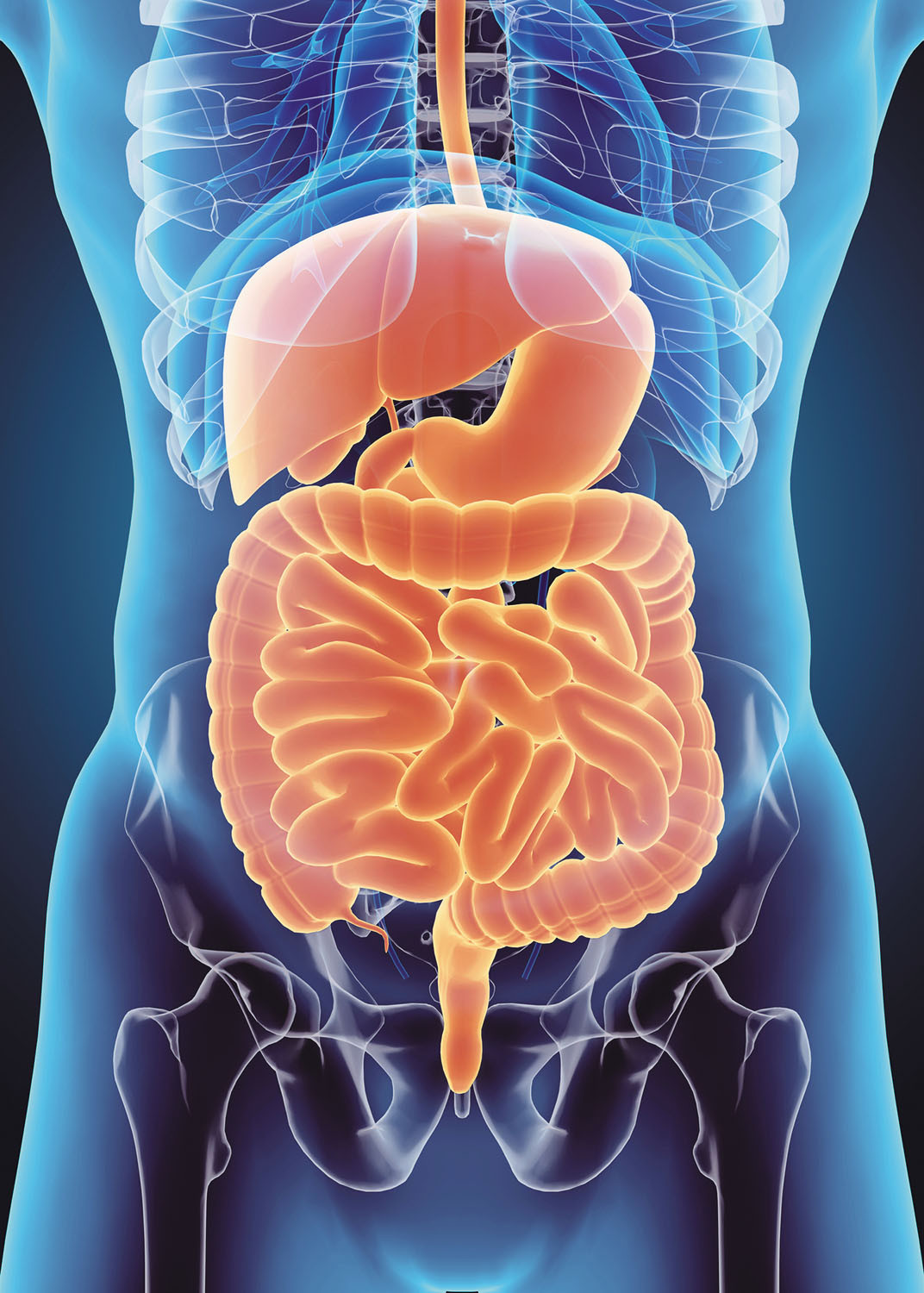
Keep your digestion moving
Over time, everyone's digestive system works less efficiently and people can develop food intolerance or begin taking medications that can affect digestion. These changes can create problems like gas, bloating, cramps, and constipation. By identifying the reasons for the digestive issues, managing them becomes easier and can help keep the entire system running smoothly.
Hip bursitis vs. arthritis: How to tell the difference
Fitness for longevity: Which type matters most?
Ministrokes linked to elevated risk of dementia
Continuous glucose monitors benefit people who don't need insulin
CoQ10: Should you take this popular supplement if you're on a statin?
Microplastics: A hidden health threat?
Oat vs. dairy milk: Nutrition, benefits, and downsides
What is tempeh? Benefits, nutrition, and how to use it
Healing after food poisoning
Whole grains may improve several heart risk factors at once
Free Healthbeat Signup
Get the latest in health news delivered to your inbox!
Sign Up
