

Hip bursitis vs. arthritis: How to tell the difference

Fitness for longevity: Which type matters most?

Ministrokes linked to elevated risk of dementia

Continuous glucose monitors benefit people who don't need insulin

CoQ10: Should you take this popular supplement if you're on a statin?

Microplastics: A hidden health threat?

Oat vs. dairy milk: Nutrition, benefits, and downsides

What is tempeh? Benefits, nutrition, and how to use it

Healing after food poisoning

Whole grains may improve several heart risk factors at once
Preventive care Archive
Articles

You don't say? A matter of taste
After age 50, the number of taste buds begins to decline, so it's natural for people to notice some changes in their sense of taste. But other conditions also can affect taste, such as nasal issues, certain medications, and conditions like dry mouth and acid reflux.
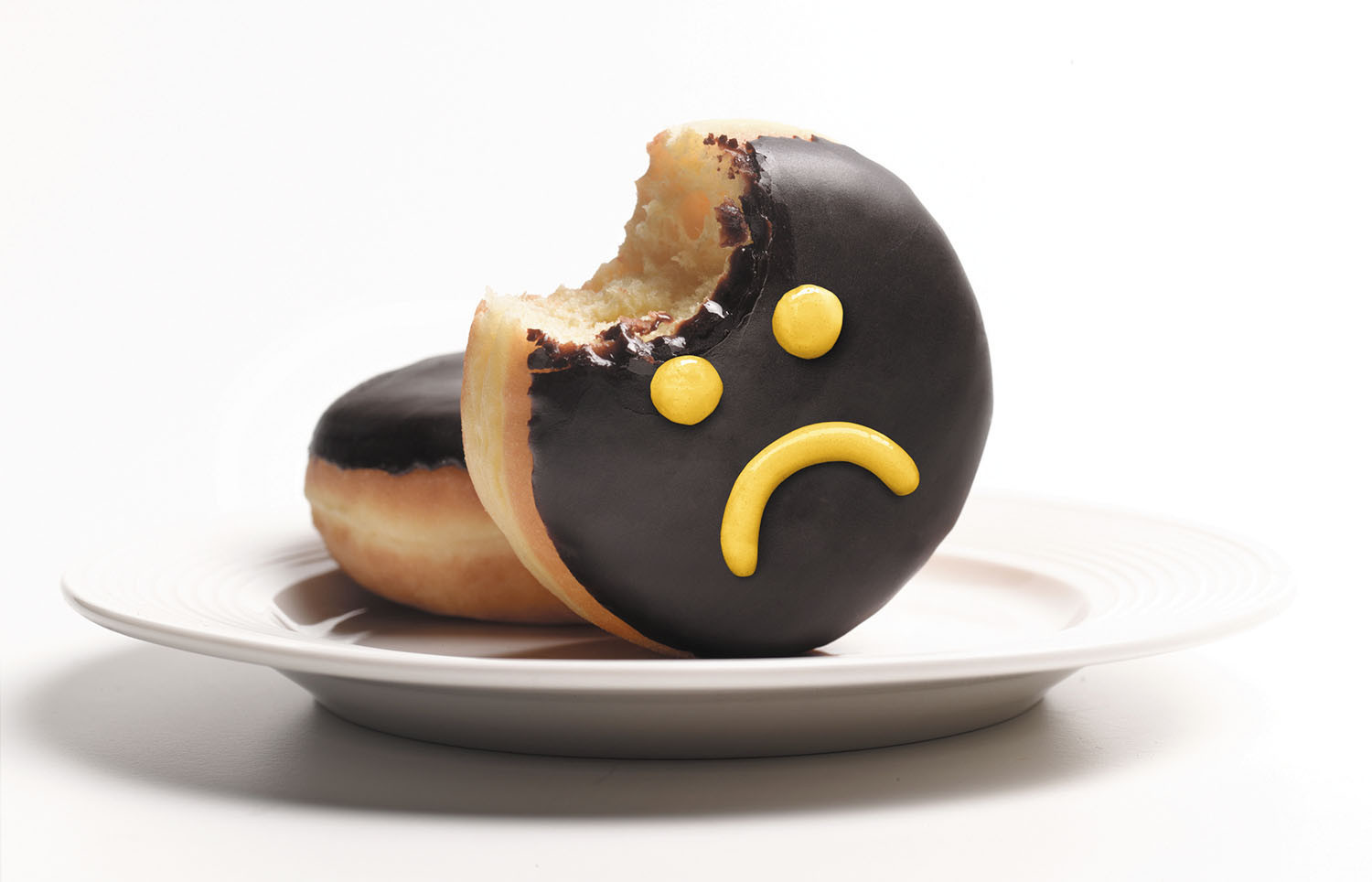
Cutting back on ultra-processed foods linked with lower dementia risk
People who ate large amounts of ultra-processed foods had a greater risk of later developing dementia compared with people who ate little of these foods, according to a 2022 study. Researchers estimated that switching out even 10% of ultra-processed foods for healthier options might lower one's risk.

Can taking enzyme supplements help soothe my bloating?
Digestive enzyme supplements are promoted to fix problems like bloating, gas, and bowel irregularity. However, for most people, there's little evidence that they help. Doctors may prescribe enzyme pills for people who can't make enough digestive enzymes because of a health condition.

Tracking blood pressure at home
Nearly half of U.S. adults have high blood pressure; however, only one-third of those who have the problem are aware of it. This is mostly because people only have blood pressure checked at doctor visits, so they don't know when it increases and requires medical attention. A simple solution is to take regular measurements with a home blood pressure monitor and keep track of their numbers to note changes.

Taking it slow
While an active life is a healthier one, there are times when people can benefit from embracing a slower pace, an approach commonly known as "slow living." Slow living isn't about doing less, but doing more with greater focus and purpose and at the right speed. The approach can help people lower stress, increase concentration and memory, and become more engaged in activities they enjoy.

Drinking black tea linked to longevity
A 2022 study found thatpeople who drank two or more cups of black tea per day had a 9% to 13% lower risk of premature death from any cause, compared with people who didn't drink black tea.

Winterize your heart health
To protect the heart during the winter, it's important to take certain precautions. Steps include staying up to date on flu and COVID-19 vaccinations, avoiding cold remedies that can raise heart rate and blood pressure, figuring out where and how to exercise indoors if it's too cold to exercise outside, developing a regular practice of stress management (such as practicing yoga and getting enough sleep), and avoiding overindulgence when it comes to drinking alcohol or eating holiday foods.

Programs to sharpen your driving skills
Several types of programs can make driving safer for older drivers. A Car-Fit evaluation helps improve the way a driver fits in a vehicle. A driving refresher course helps drivers stay up to date on driving techniques, laws, and vehicle safety technology. A formal driving assessment evaluates a person's physical and mental health and driving ability on the road. Driver rehabilitation provides training for people to use adaptive driving equipment, practice driving in challenging conditions, and develop safe driving habits.

Steak and burger substitutes to satisfy a carnivore
Plant-based meat alternatives (PBMAs) might be safe to eat — in moderation — as a replacement for red meat in the diet. The best options are PBMAs that have the fewest ingredients and lowest levels of salt and saturated fat. PBMAs shouldn't be paired with unhealthy foods, such as French fries, soda, or refined grains (white bread or buns). Other substitutes for red meat include vegetables and legumes, such as a large portabella mushroom cap, homemade bean burger, or thick slice of eggplant or cauliflower.
Gut bacteria a likely accomplice in red meat's heart risk
Eating red meat has long been linked to a higher risk of heart disease. Breakdown products created by gut bacteria when people eat meat may contribute to this heightened risk, according to a 2022 study.
Hip bursitis vs. arthritis: How to tell the difference
Fitness for longevity: Which type matters most?
Ministrokes linked to elevated risk of dementia
Continuous glucose monitors benefit people who don't need insulin
CoQ10: Should you take this popular supplement if you're on a statin?
Microplastics: A hidden health threat?
Oat vs. dairy milk: Nutrition, benefits, and downsides
What is tempeh? Benefits, nutrition, and how to use it
Healing after food poisoning
Whole grains may improve several heart risk factors at once
Free Healthbeat Signup
Get the latest in health news delivered to your inbox!
Sign Up
