

Hip bursitis vs. arthritis: How to tell the difference

Fitness for longevity: Which type matters most?

Ministrokes linked to elevated risk of dementia

Continuous glucose monitors benefit people who don't need insulin

CoQ10: Should you take this popular supplement if you're on a statin?

Microplastics: A hidden health threat?

Oat vs. dairy milk: Nutrition, benefits, and downsides

What is tempeh? Benefits, nutrition, and how to use it

Healing after food poisoning

Whole grains may improve several heart risk factors at once
Preventive care Archive
Articles

A healthy, tasty swap
People who want to lower their sodium intake to reduce their cardiovascular risks can try substituting spices for salt in food. A 2022 study found that older adults were less likely to notice differences in salt content of a white sauce if it contained a spicy chipotle seasoning blend. This suggests that some spices can distract older adults from low salt content in foods. The FDA is also targeting salt use, issuing new guidelines in 2022 to lower the average American's daily salt intake drastically over the next decade and potentially save a half-million lives over that time.

High-inflammatory diets linked with increased dementia risk
Healthy older adults may have a higher risk for dementia if they follow high-inflammatory diets that include greater amounts of simple sugars, cholesterol, saturated fat, and fried foods.

Is alcohol good for your heart?
Over the years, studies have produced conflicting results about the link between alcohol intake and heart health. Some studies suggest drinking alcohol protects against cardiovascular disease, including heart attack, heart failure, and stroke, while others imply the opposite. Now growing evidence says that not only won't alcohol lower a person's risk for cardiovascular disease, but consuming even moderate amounts may increase risk.
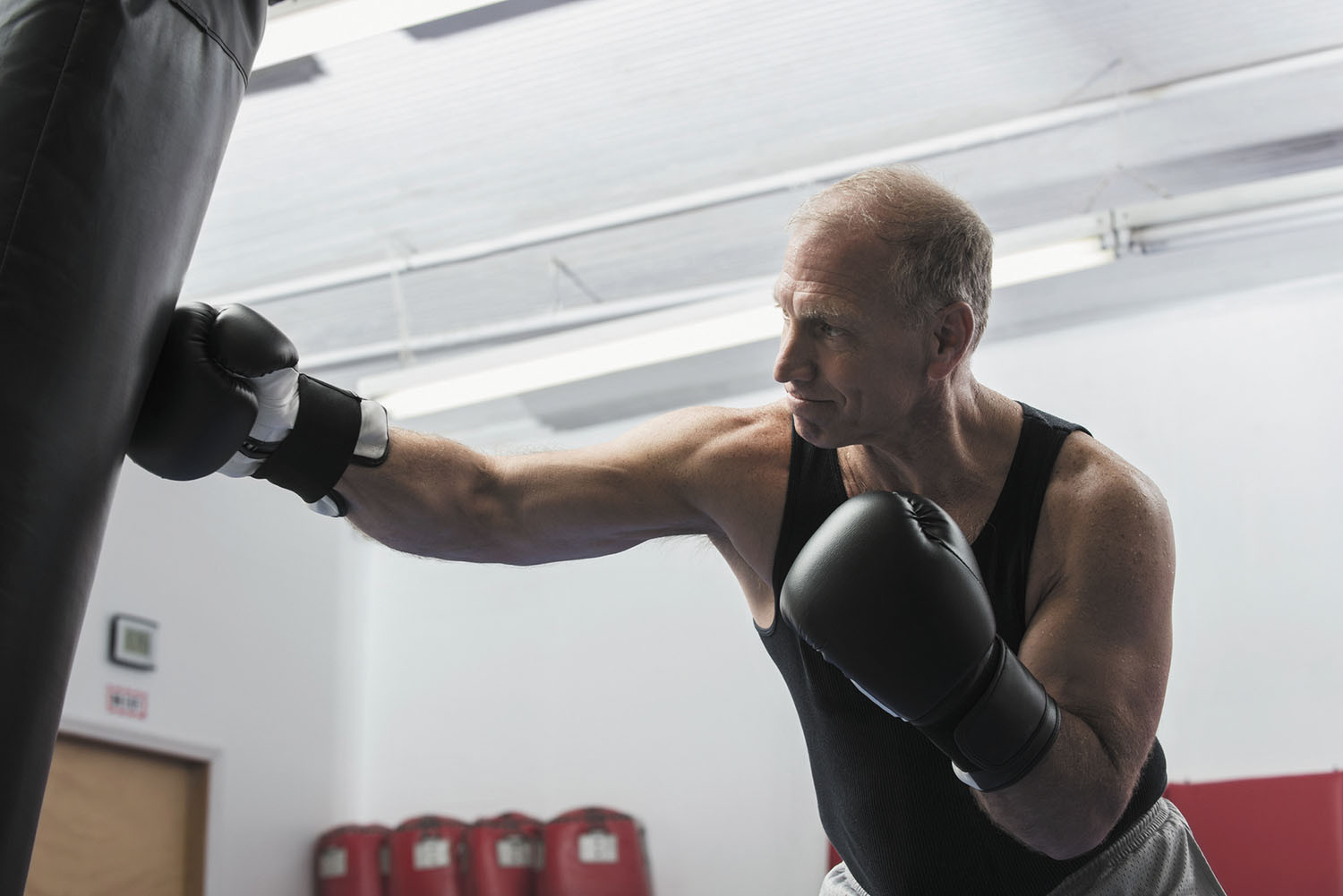
Punch up your fitness
Non-contact boxing has been shown to help many people with Parkinson's disease improve their balance, hand-eye coordination, mental focus, muscle strength, and body rhythm. Older adults also can benefit from this type of exercise, as they face many of the same physical and mental challenges as they age. Most boxing fitness workouts are done using punching bags and hitting oversized boxing mitts worn by coaches. The moves involve punches and sequences based on crosses, hooks, uppercuts, and jabs.

The mental powers of super-agers
Older adults known as super-agers have cognitive function similar to that of young people. Experts believe this is because their brains shrink at a much slower rate, which may be the result of genetics or lifestyle habits or both. While people can't alter their genes, it could be possible to slow their natural brain decline by adopting some super-ager habits, like being physically active, pursuing mentally challenging hobbies, eating a diet rich in inflammation-fighting foods, and engaging with social groups.

Better balance may mean a longer life
Being unable to stand on one leg for 10 seconds in middle and later life is associated with a sharply increased risk of premature death, according to a study published online June 21, 2022, by the British Journal of Sports Medicine.

Simple core strengtheners for every day of the week
It's safe to work the core every day for about 10 to 30 minutes, as long as a person doesn't develop intense muscle fatigue. There are so many kinds of core-strengthening activities that it's possible to do a different one each day of the week. Ideas include marching, practicing yoga, doing body-weight workouts, exercising in a pool, and doing housework. Before a core workout, a person should do a warm-up, such as walking, to get blood flowing to the core muscles. After exercising, it's important to stretch the core muscles to help lengthen them and keep them flexible.

Meal of the month: Hearty salad supper
A big, hearty salad can provide the recommended daily dose of vegetables. Adding other filling ingredients such as starches and proteins turns a salad into a healthy, satisfying meal.

Even with a little sugar, coffee may still be good for health
A study published online May 31, 2022, by Annals of Internal Medicine suggests that with or without sugar, coffee is associated with a longer life.

Are you headed for a fall?
Cardiovascular conditions can increase a person's risk of falling. Such falls are usually related to a lack of blood flow to the brain that causes a person to faint. The most common cause is orthostatic hypotension, but severe aortic stenosis and the heart rhythm disorder known as atrial fibrillation can also cause a person to faint. Other falls may result from cerebral microvascular disease, a type of blood vessel damage in the brain that develops over time.
Hip bursitis vs. arthritis: How to tell the difference
Fitness for longevity: Which type matters most?
Ministrokes linked to elevated risk of dementia
Continuous glucose monitors benefit people who don't need insulin
CoQ10: Should you take this popular supplement if you're on a statin?
Microplastics: A hidden health threat?
Oat vs. dairy milk: Nutrition, benefits, and downsides
What is tempeh? Benefits, nutrition, and how to use it
Healing after food poisoning
Whole grains may improve several heart risk factors at once
Free Healthbeat Signup
Get the latest in health news delivered to your inbox!
Sign Up
